Wood be good: ten spaces celebrating the beauty of timber
From Scottish schools to Swedish spas, we highlight a selection of projects doing something new with one of the world’s oldest building materials.
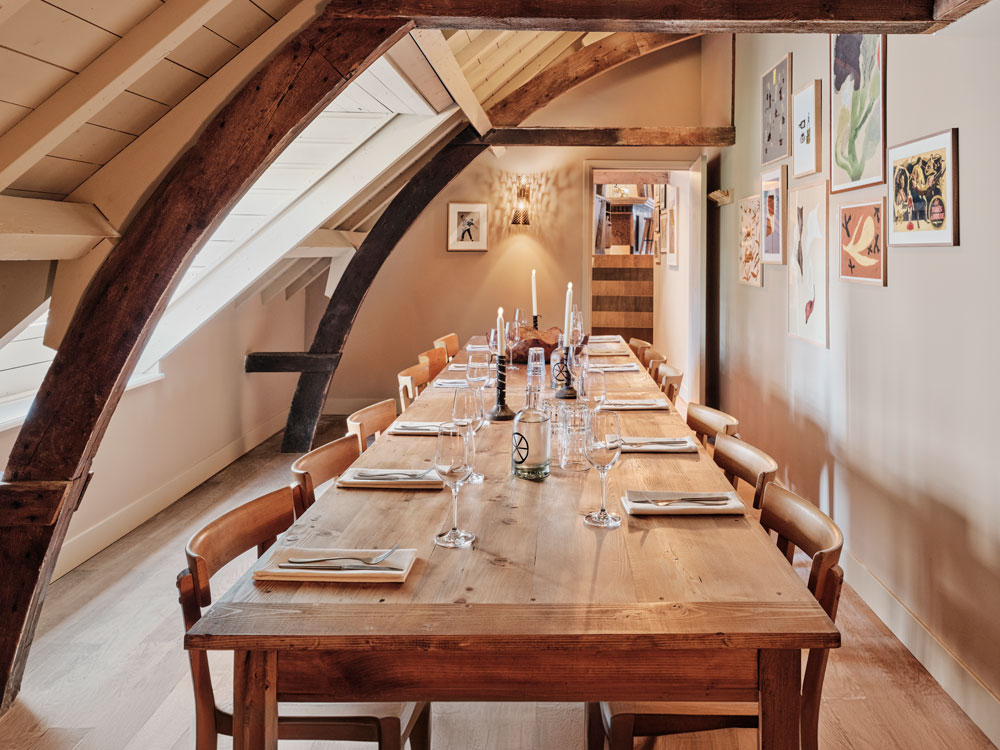
Studio Modijefsky’s transformed 17th-century carriage house, Hotel Rumour
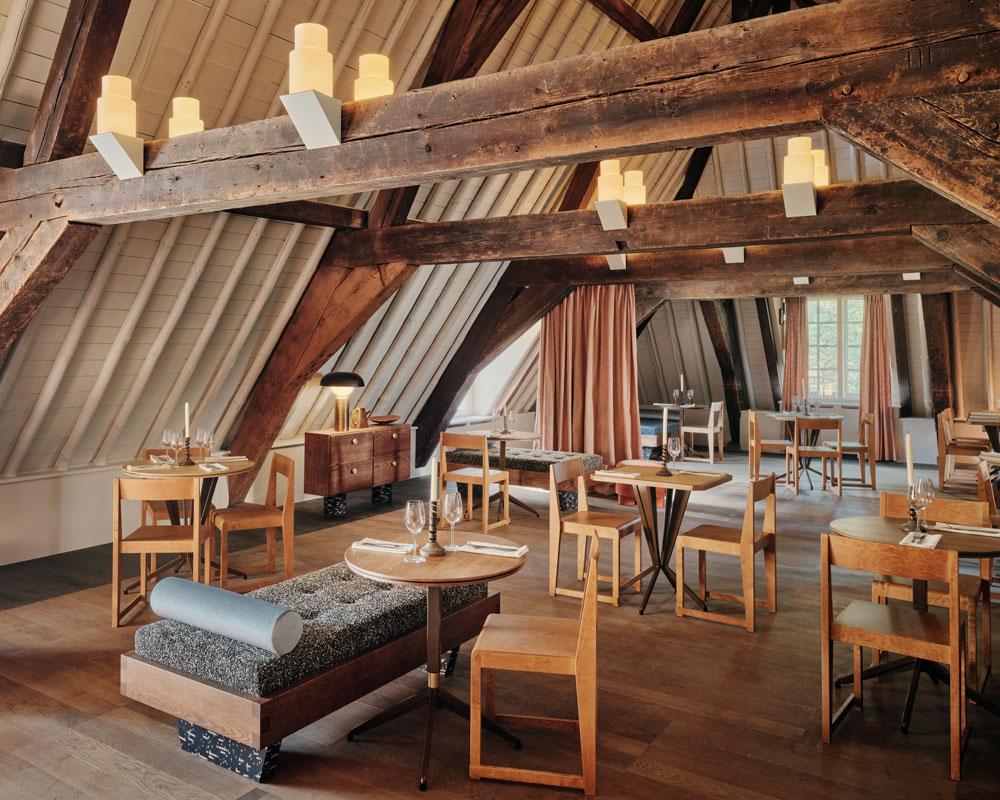
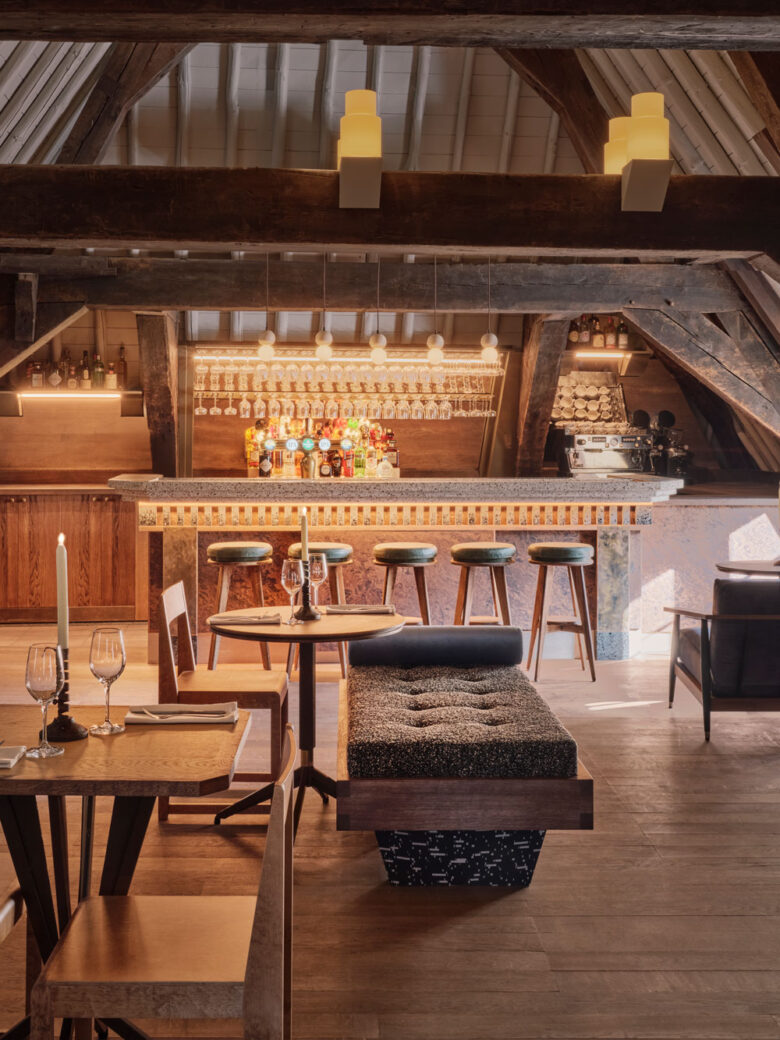
Just down the hill from the Burcht van Leiden in the Netherlands – a historic castle dating as far back as 1060 AD – is an unassuming carriage house constructed in the seventeenth century. It’s here that Amsterdam-based firm Studio Modijefsky designed hospitality project Hotel Rumour, which – despite the name – actually offers guests everything but a sleepover. Instead, curious visitors are welcomed by a playful, flexible social concept, entirely conceived by Studio Modijefsky – from the brand identity and meticulous interior design through to the merchandise and onsite gift shop.
Striving to be as welcoming as a hotel but without the bedrooms, Hotel Rumour is a design-led hub for intimate drinks, lively music nights and private dinners. Studio Modijefsky made sure to retain the building’s existing wooden beams, high ceilings and grand arches, such as the converted attic space now used as the ‘Salone Royale’ – here, guests can find a spacious dining area boasting exposed wooden beams, a cosy gable roof, and a selection informal poufs, chairs, daybeds and tables.
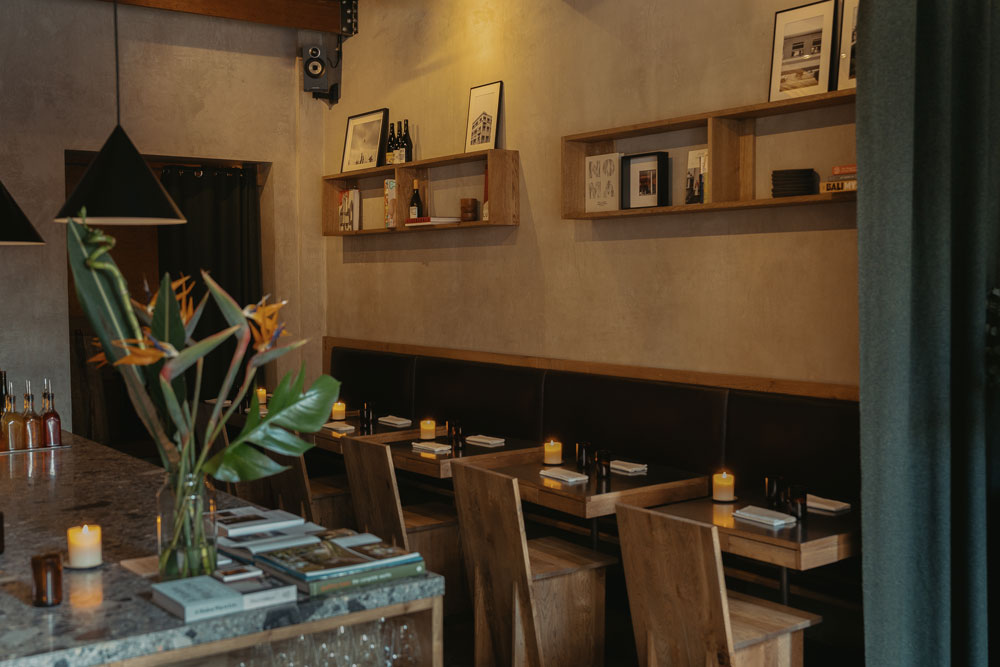
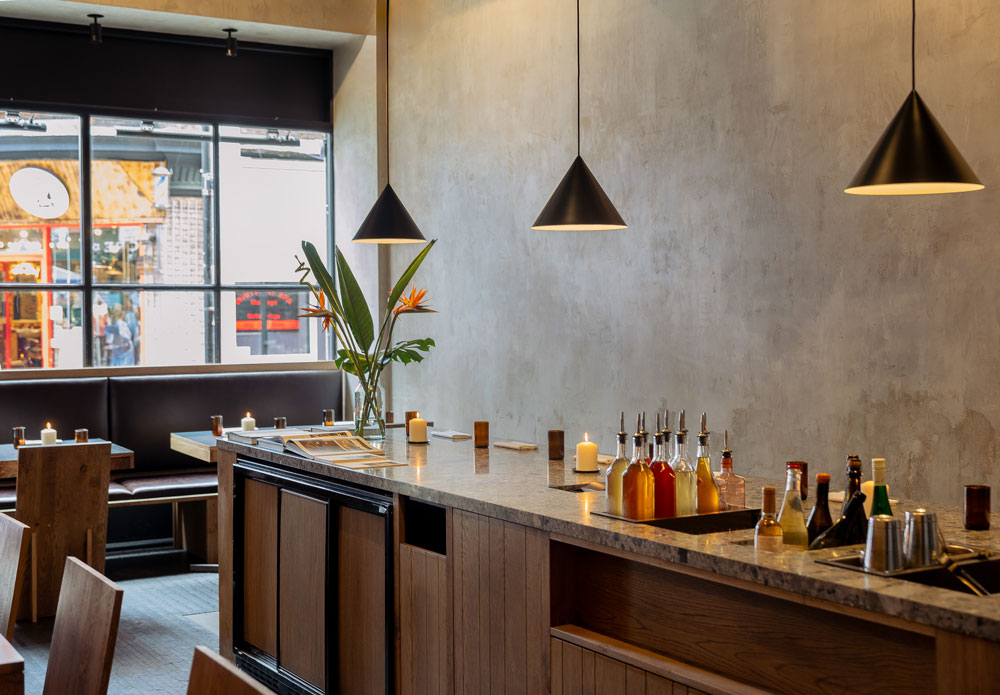
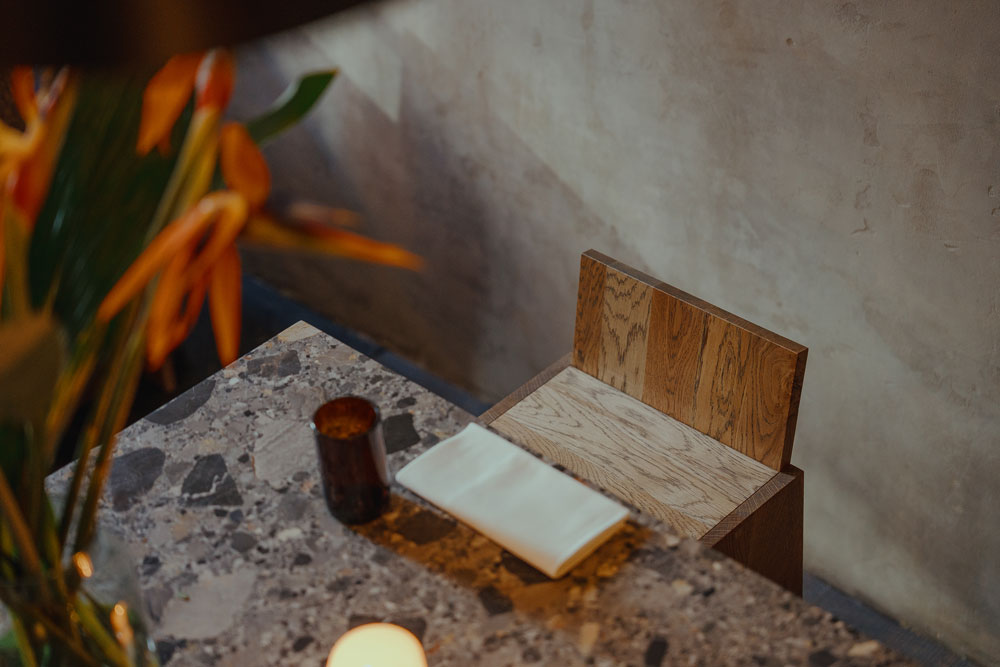
Paradise Soho’s soft, ambient makeover by Dan Preston
Affectionately referred to as Paradise 2.0, Paradise Soho was treated to an entire refurbishment by East London designer Dan Preston – known for creating natty London eateries such as Brat, Kiln and Mountain. Designed in collaboration with the restaurant’s creative director Dom Fernando, this next iteration softens the tropical Brutalism of the first through the introduction of a warm, natural palette.
Despite retaining an uncomplicated aesthetic and Brutalist touches like micro-cement walls, the choice of warm wooden furnishings in English oak evokes Sri Lanka’s walauwa (traditional manor houses) and invites guests to share an intimate, authentic meal by candlelight. Furnished with an array of bespoke wooden chairs, handcrafted by a talented team of makers, Preston pushed for Paradise Soho to champion sustainable consumption and construction where possible – ensuring that the timber used throughout came from either windfall sources or certified, estate-managed woodlands.
Norm Architects channels the Japandi aesthetic for its luxury Swedish retreat
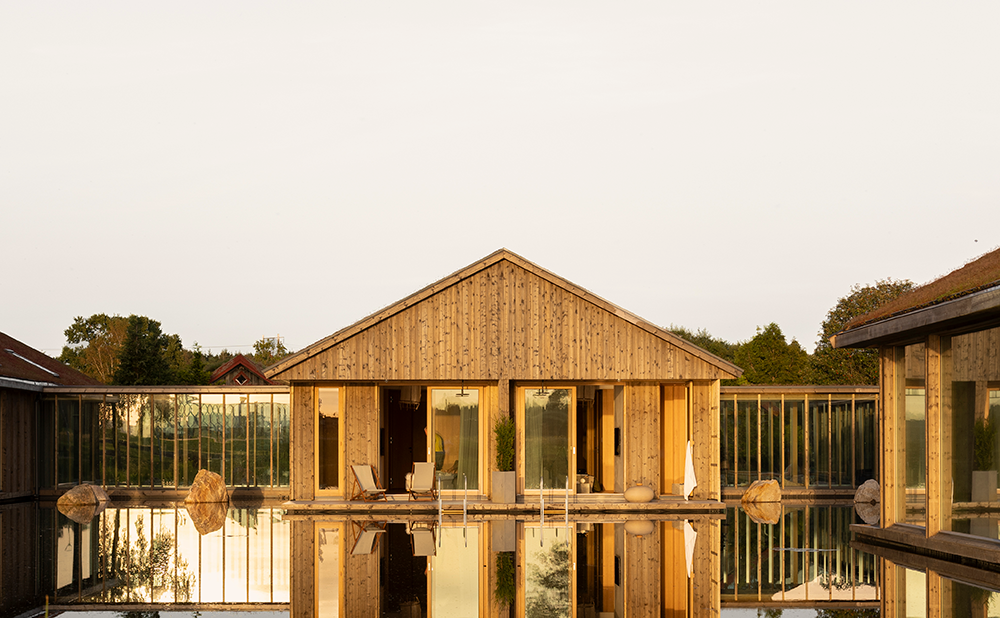
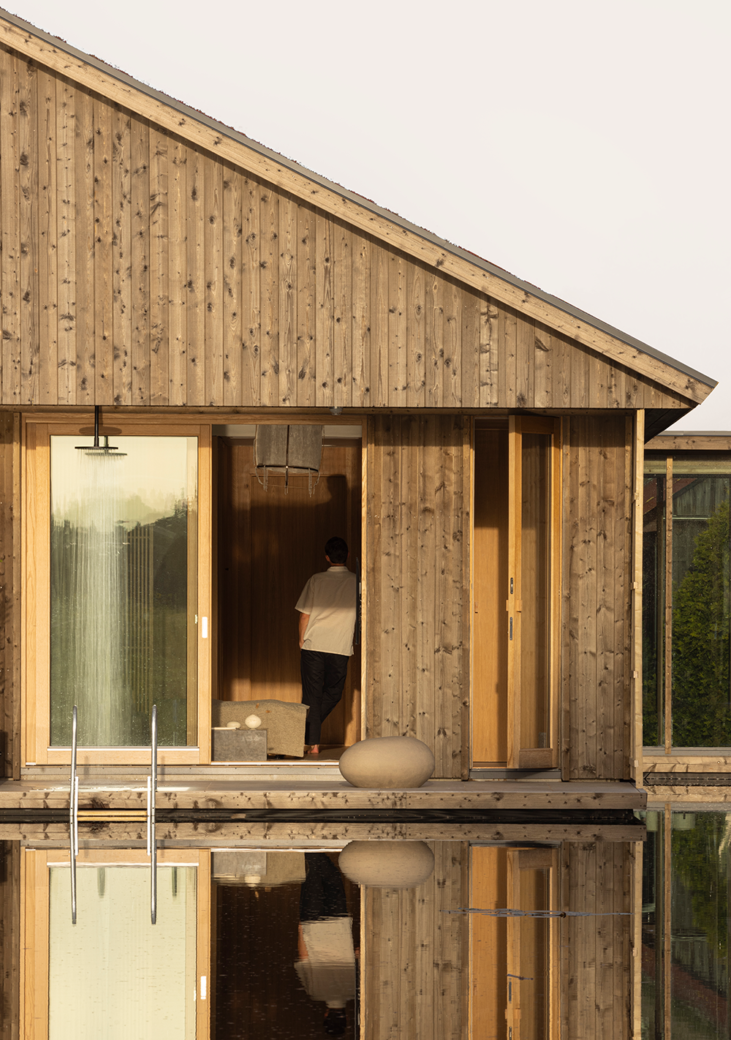
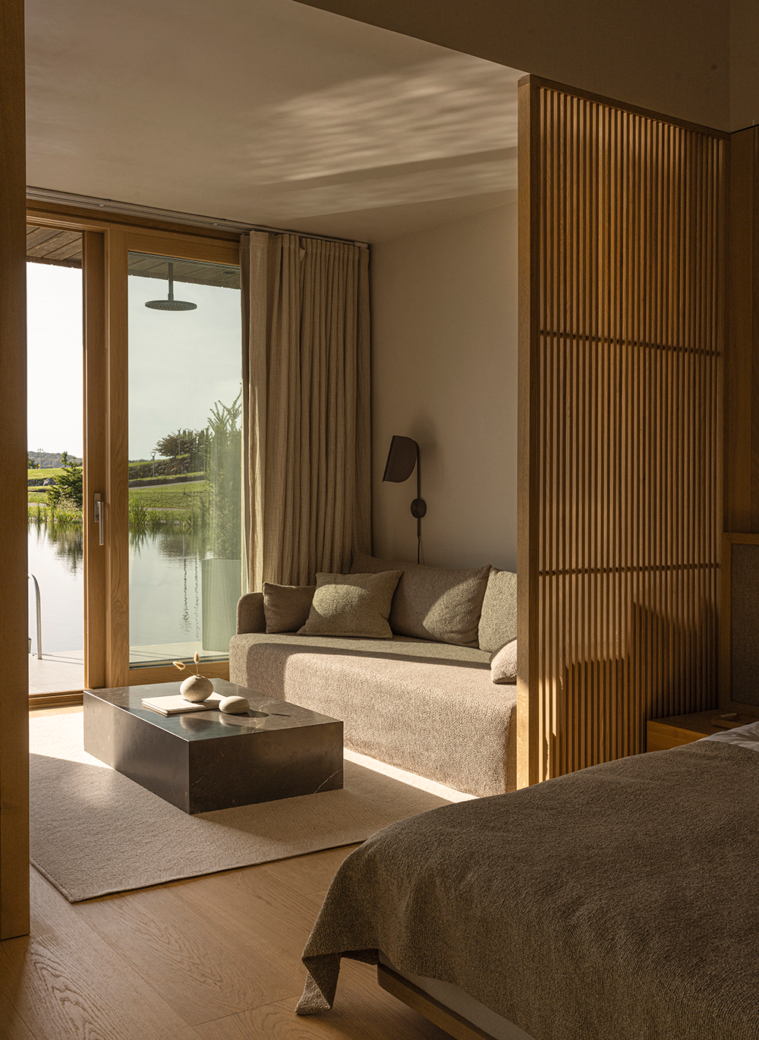
Hidden among the picturesque beech forests of Halland, Norm Architects designed Sjöparken on behalf of Ästad Vingård, one of Sweden’s largest vineyards and spa resorts. Incorporating key elements from minimalist Scandinavian design and traditional Japanese architecture, the resort aims to combine understated luxury with an intimate connection to its natural surroundings.
Each of Sjöparken’s seven villas contain four hotel rooms, smoothly intertwined by wood and glass corridors that strike a balance between privacy and transparency. This light-filled, airy layout – along with the green, living roofs – helps pay homage to the site’s history, creating the sensation of walking amidst an open-air fishing village. Inside, understated furnishings and natural, earthy materials all reflect the colours and textures of the lakeside forest, from the warm oakwood cladding to the inviting texture of natural stone and ceramic décor.
A-nrd Studio’s old coach house turned Asian-inspired warehouse eatery
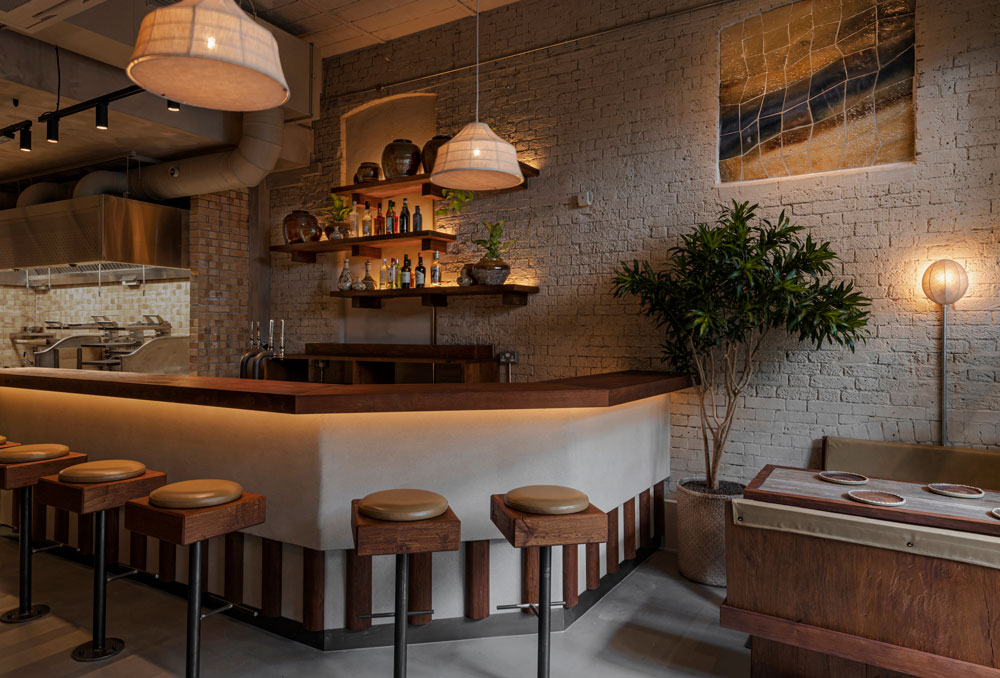
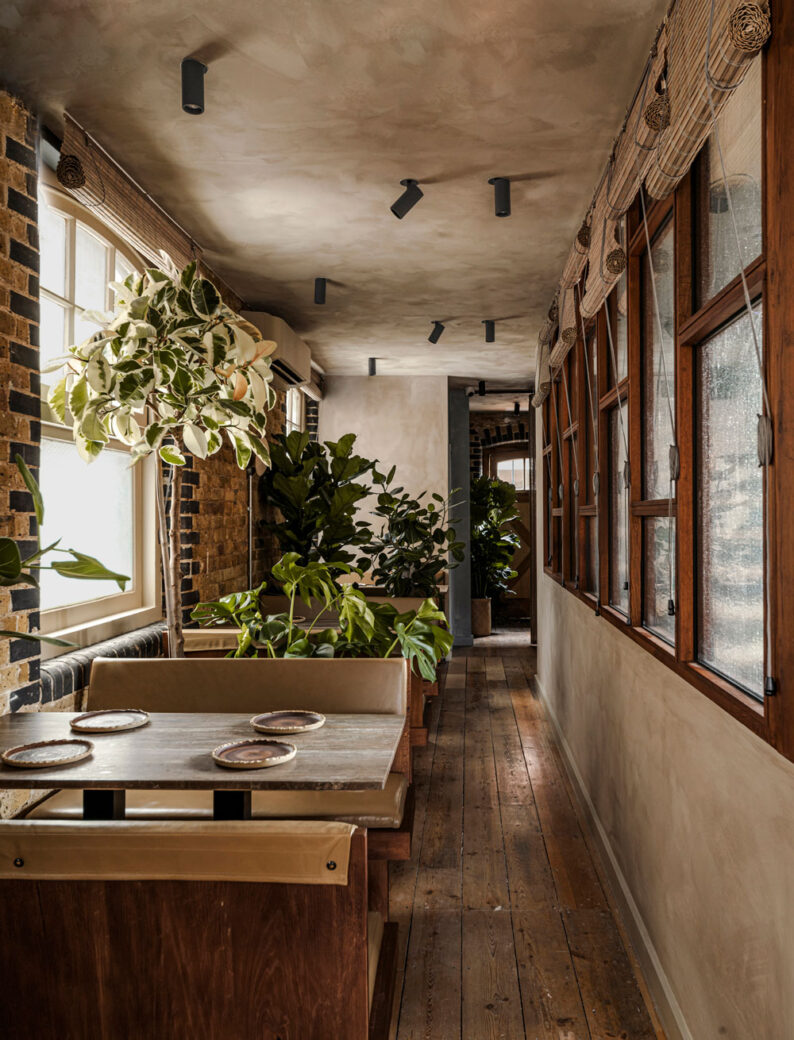
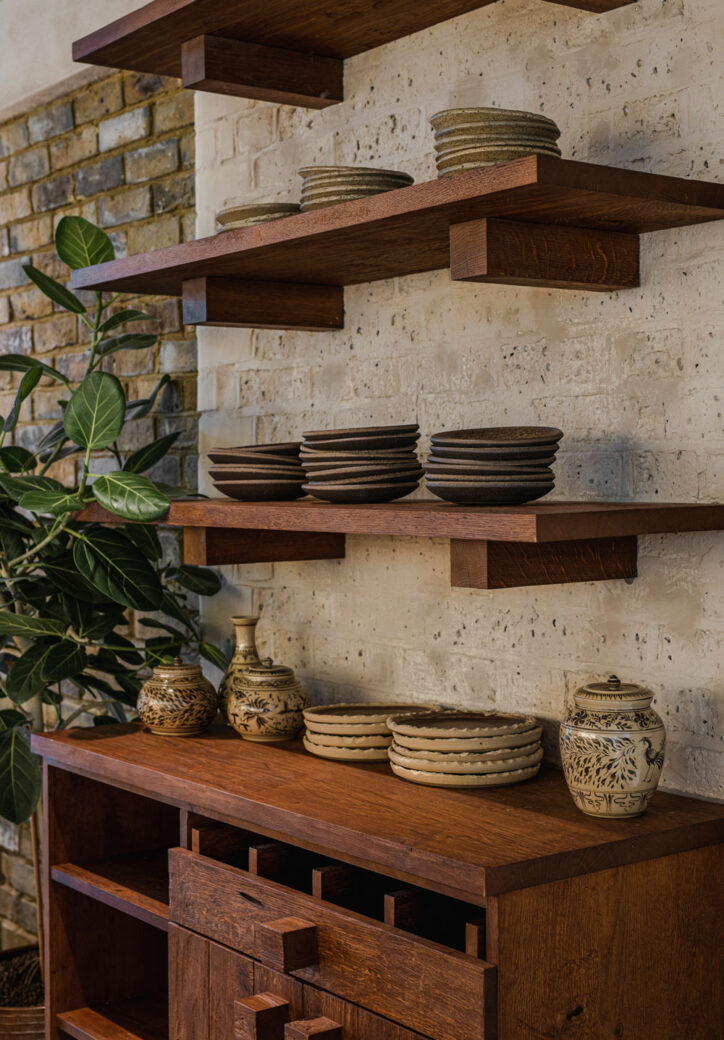
Located in a repurposed London coach house in Borough Market, A-nrd Studio based its interior concept for Thai restaurant Kolae on the aesthetic of South-East Asian architecture and culture. Named after an open-flame style of cooking, the culinary opening from Mark Dobbie and Andy Oliver of som saa draws inspiration from Old Town Bangkok, including the decorative timber framework, textured glass, natural stone and handcrafted ceramics and textiles.
Cement floors, exposed brickwork and limewashed plaster in warm tones provide a blank canvas for the decor and furniture, all of which was designed by A-nrd Studio. The oak used to craft all the custom furniture and fixtures at Kolae is hand-planed, a traditional technique chosen by the studio to add texture and character into the wood, completed in close collaboration with skilled joiners from the north of England.
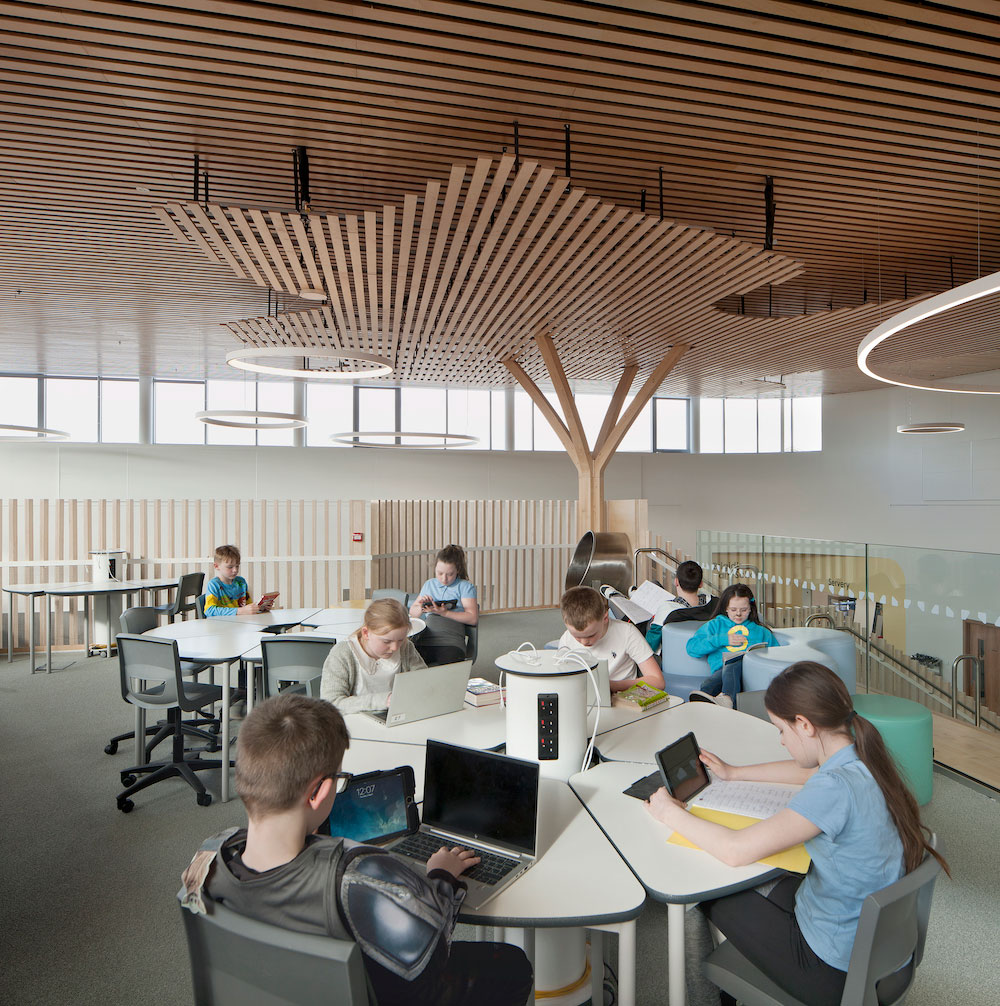
BDP’s contemporary education hub in a former Scottish mining town
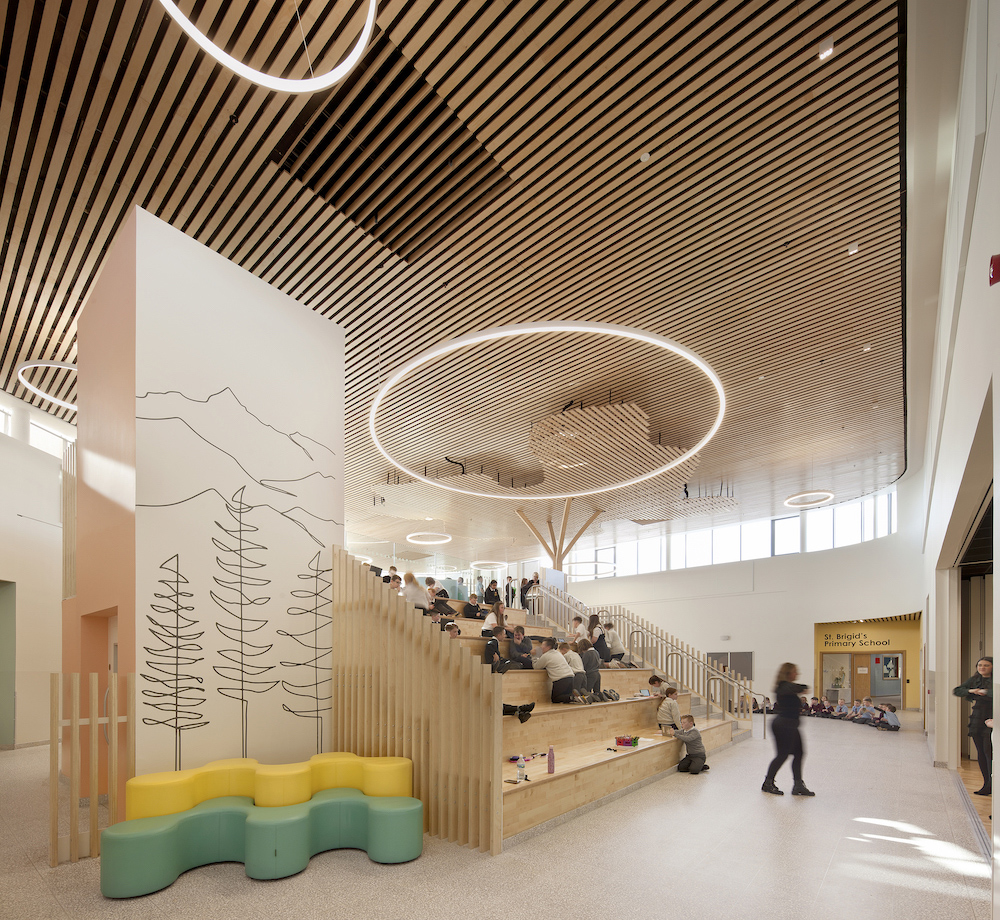
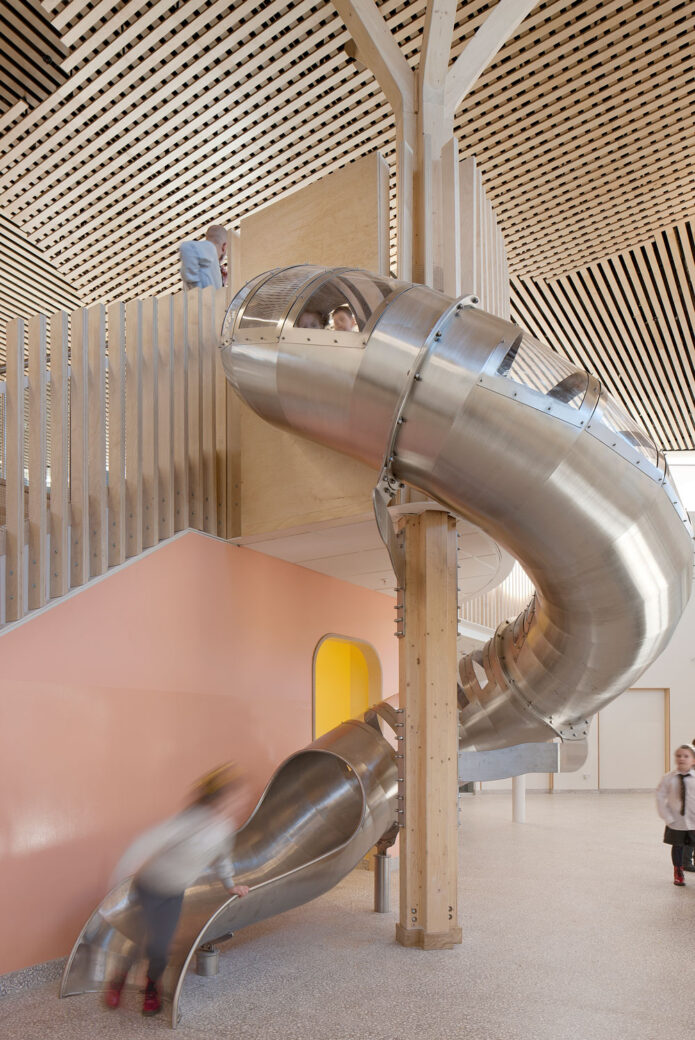
In an unassuming former mining village about 18 miles south-east of Glasgow, sits Newmains & St Brigid’s Primary School and Community Hub. The concept brings together two primary schools and a nursery into one modern, purpose-built building created for the wider community, set in the middle of a housing estate and a short stroll from a high street. “This is a project designed for the community, by the community,” explains Lindsey Mitchell, architect director at BDP. “We think it’s important to involve the children because it means when it opens, they can take ownership. If people can take ownership of spaces that we create, the more likely they are to be loved.”
A multi-functional area, the main hub features large wooden steps looking down to a flexible stage, which opens to a large hall for assemblies, sports and other events. At the top of the steps is an e-learning library with flexible furniture and a show-stopping timber tree structure fills the full height of the room, meeting a timber ceiling. The use of colours found in nature as well as natural materials and plenty of daylight heavily contribute to the relaxing and warm space; the theme of ‘nature and nurture’ extends to a generous outdoor space with a large sports pitch, sensory gardens, willow ‘sitooteries’, a treehouse and, of course, a den building zone.
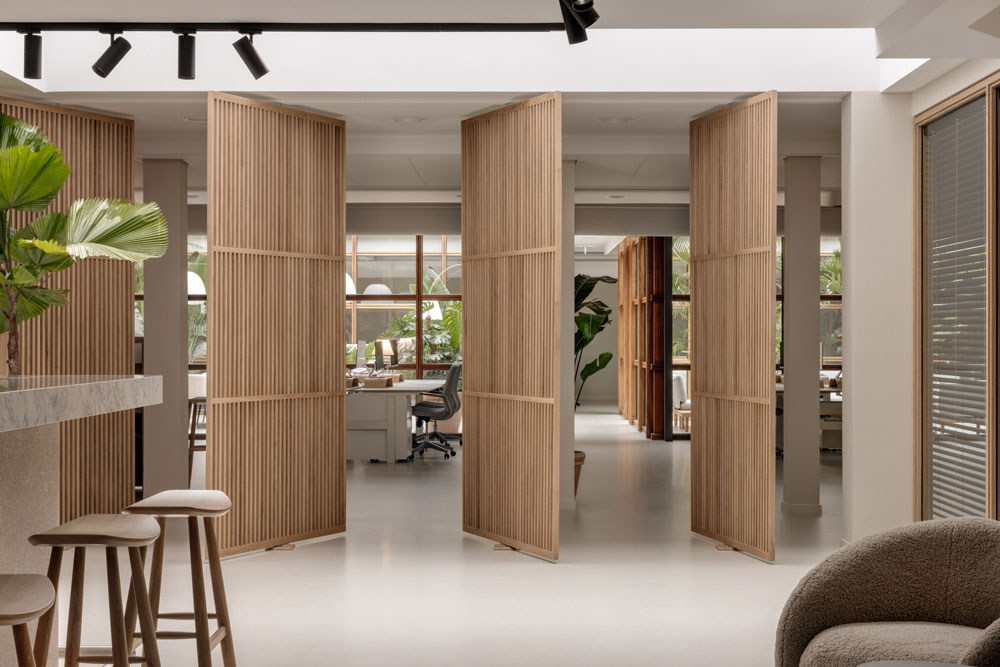
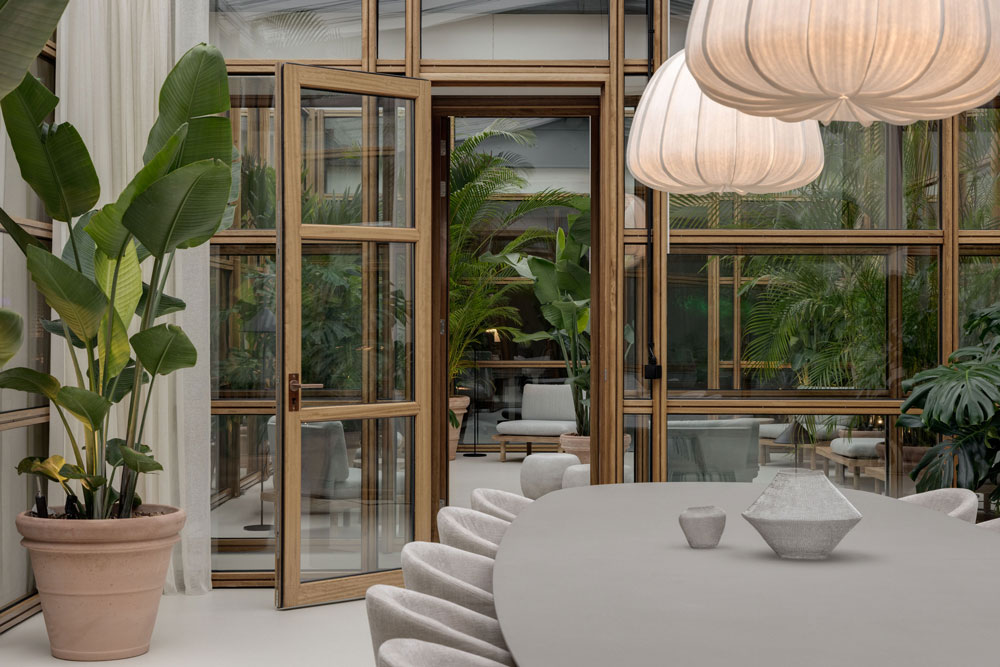
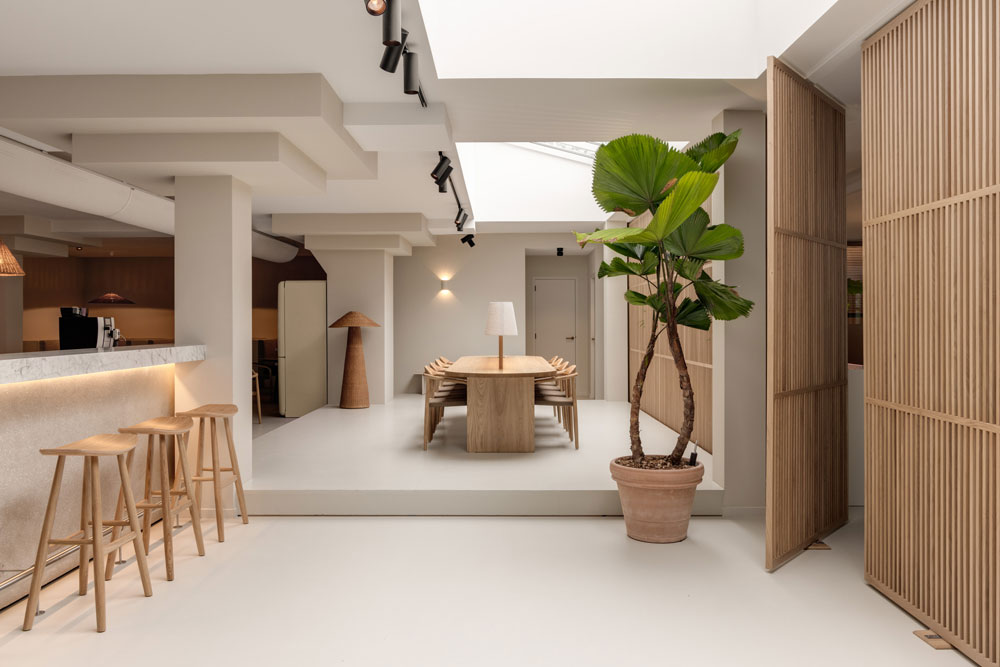
Studio Sluijzer and 88 Projects balance work and leisure at zen Amsterdam office
Joining Amsterdam’s well-heeled Oud-Zuid (Old South) neighbourhood, media and content agency &. media group relocated its HQ to a former car garage. Once an empty shell, this garage was completely overhauled by local teams Studio Sluijzer and 88 Projects to create a diverse and multi-functional workplace that also felt comfortable and productive. Natural materials are abundant and make a striking impression on entering the space – warm woods, marbles and natural plaster create a neutral colour scheme that, along with soft lighting and plenty of acoustic consideration, contribute to a harmonious feel.
Prioritising adaptability, a bespoke timber screen-wall separates the social areas from more traditional office spaces, while still allowing for light to diffuse around the different zones. This slatted screen is divided into separate ‘doors’ that can be opened individually – each door can remain fully open, closed or rotated for varying levels of privacy, creating ‘corridors’ that flow into the space, once more perfect for hosting parties in an environment intended to function meaningfully beyond traditional office hours; the space facilitating the building of culture and community.
Next-gen law: Dentons’ future-forward workspace celebrating Scottish craft
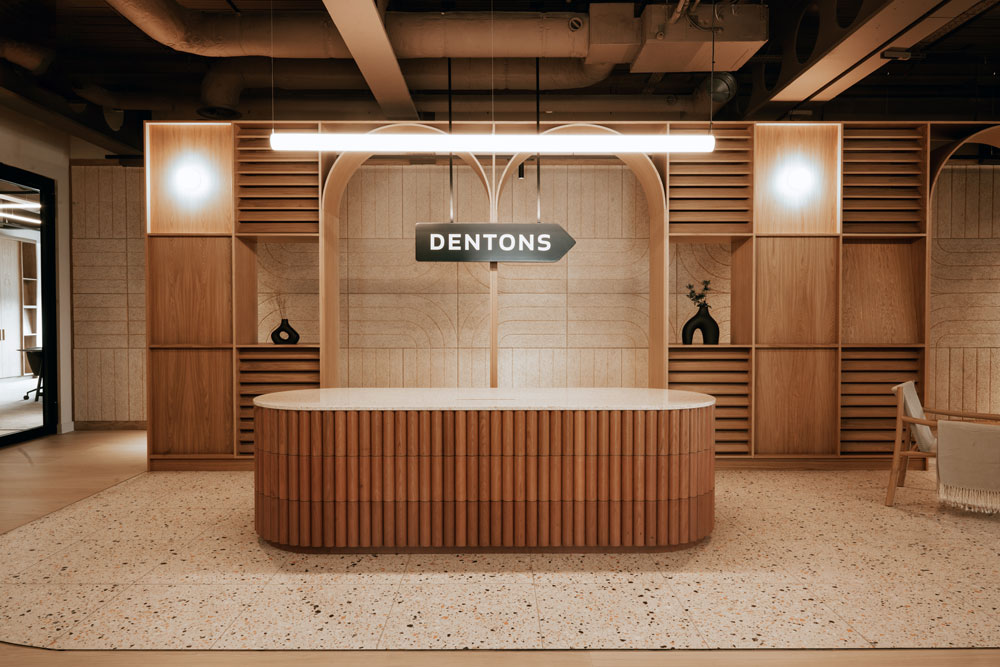
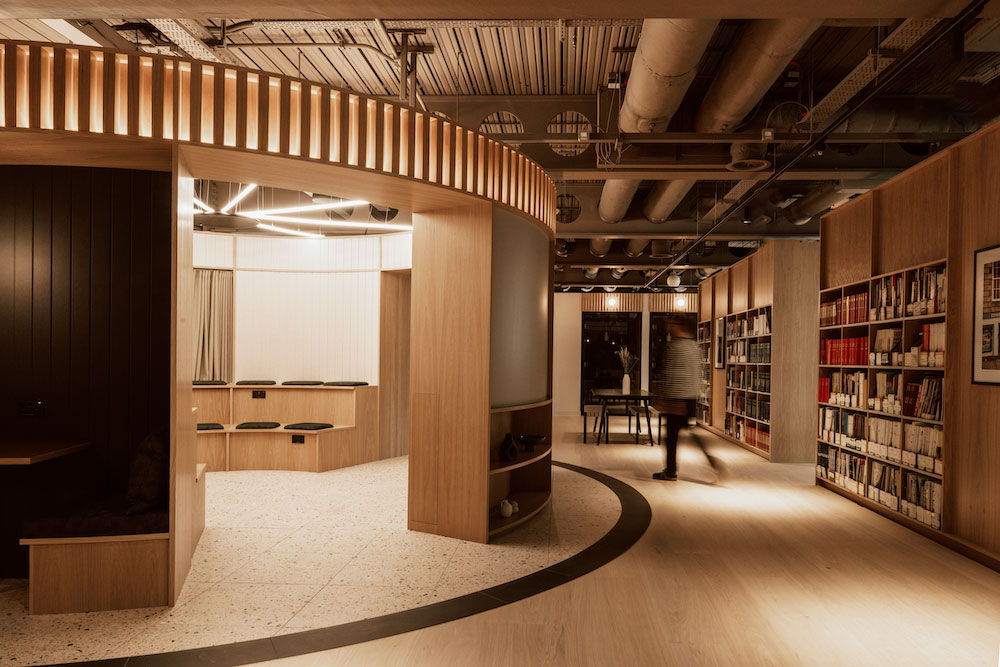
Gone are the days of dark mahogany shelves and leather-bound books; kin’s design for Dentons‘ space at No. 9 Haymarket set out to challenge the conventional approach to design for legal practices, eschewing established design tropes and stigma set by traditional law firms for a modern, intuitive and elegant experience. “It was important to Dentons for clients to want to use the space, encouraging them to enjoy the open plan bar, lounges and touchdown spaces, before, after and in-between meetings,” explains ‘kin’s Matt Holmes. “So a visit is not just a business meeting, but an experience.”
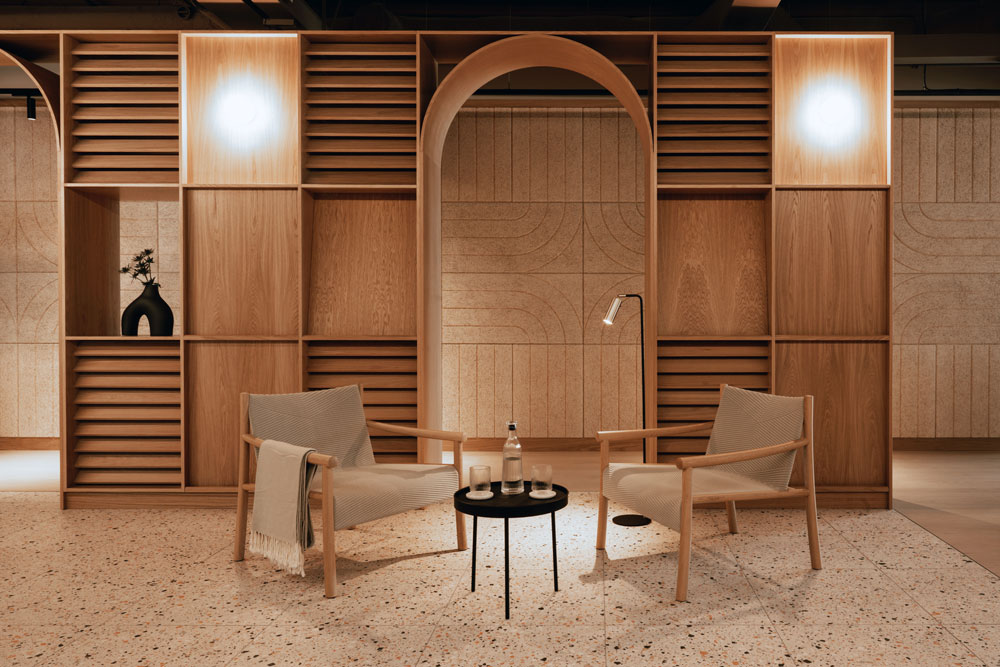
The materiality draws inspiration from both Scotland’s abundant natural landscape through warm timbers and rich textured fabrics, balancing them against the warm tonal colour palette and strong geometry of Edinburgh’s built environment. The concierge area is framed by oversized timber arches, which are reflected in a central bar area crafted from bespoke timber rods and solid terrazzo. Nestled at the heart of the office and sheltered from the main hustle and bustle is another communal ‘rotunda’, designed to encourage meeting, sharing and learning.
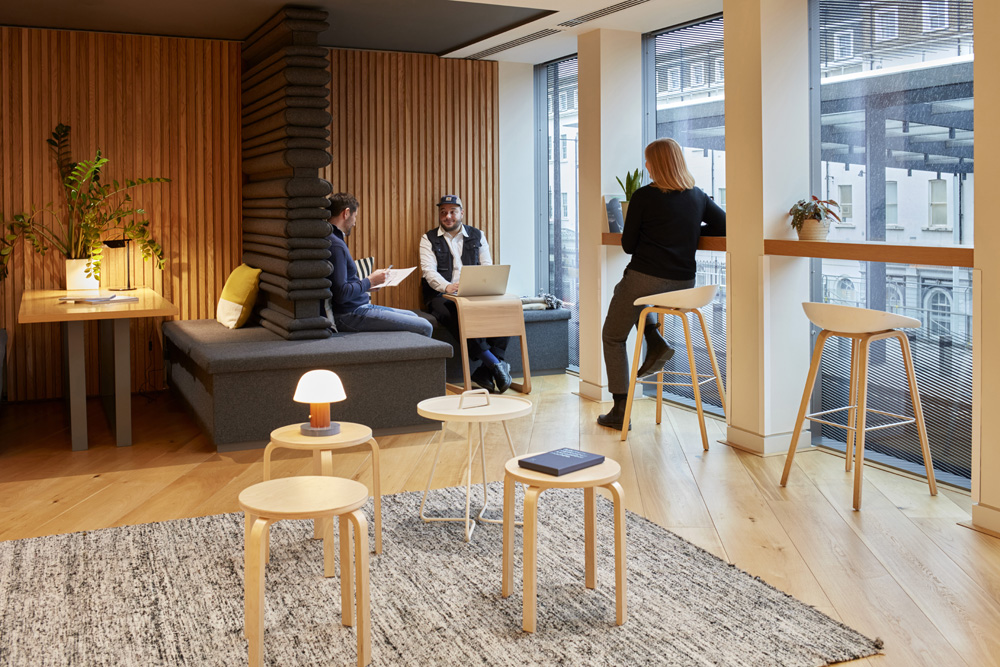
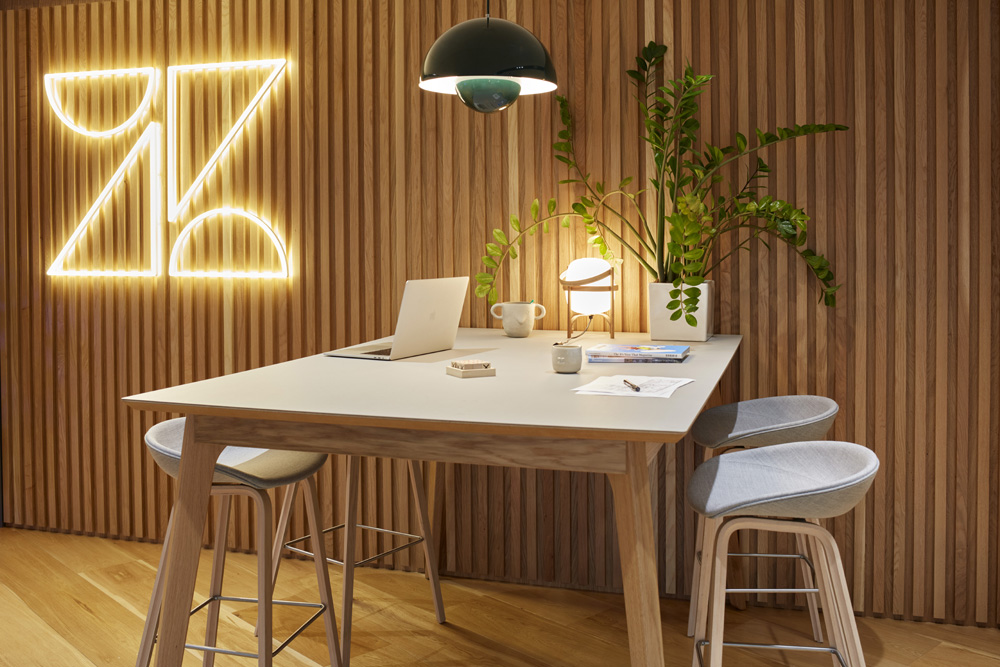
Scandinavian hygge meets Japanese minimalism at Zendesk’s London HQ
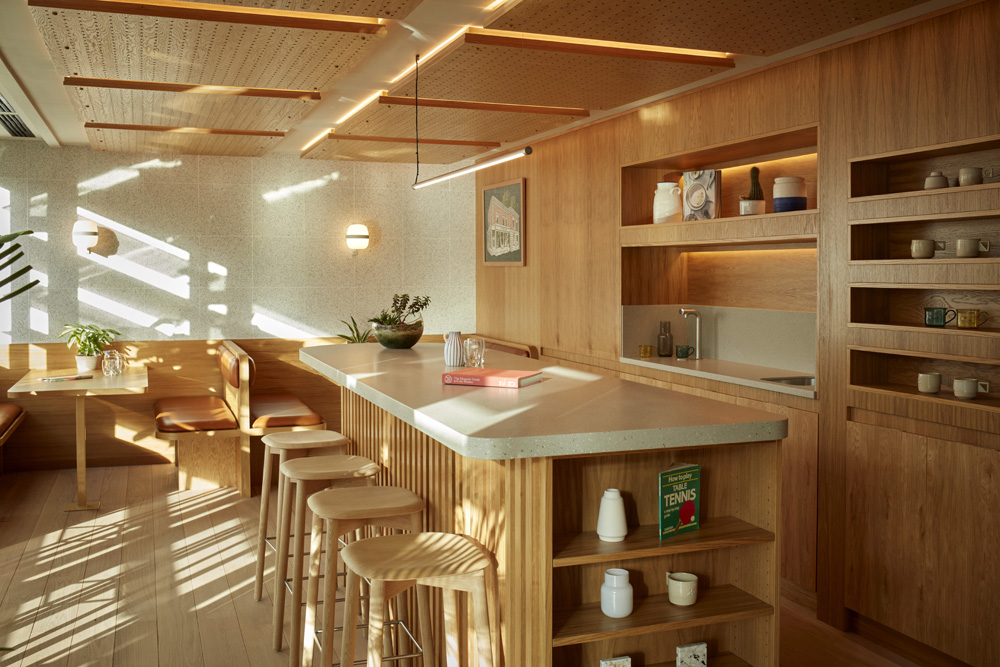
Avoiding a ‘simple copy paste’ approach to refreshing its London office, software provider Zendesk opted to use its own in-house team rather than outsourcing to a studio – developing a design concept with three main principles in mind: togetherness, collaboration and employee experience.
To hone in on the ‘local’ feel, Zendesk’s team spent time researching modern design in London, noting detail including the city’s wooden cafes and brutalist Barbican estate. These observations were then partnered with Zendesk’s Danish origin to form a unique workspace rooted in both identities. The palette of natural, tactical materials chosen throughout include wood, warm felt and rugged concrete, with sustainability also informing the design process through the use of local suppliers and manufacturers where possible, rather than shipping items overseas.
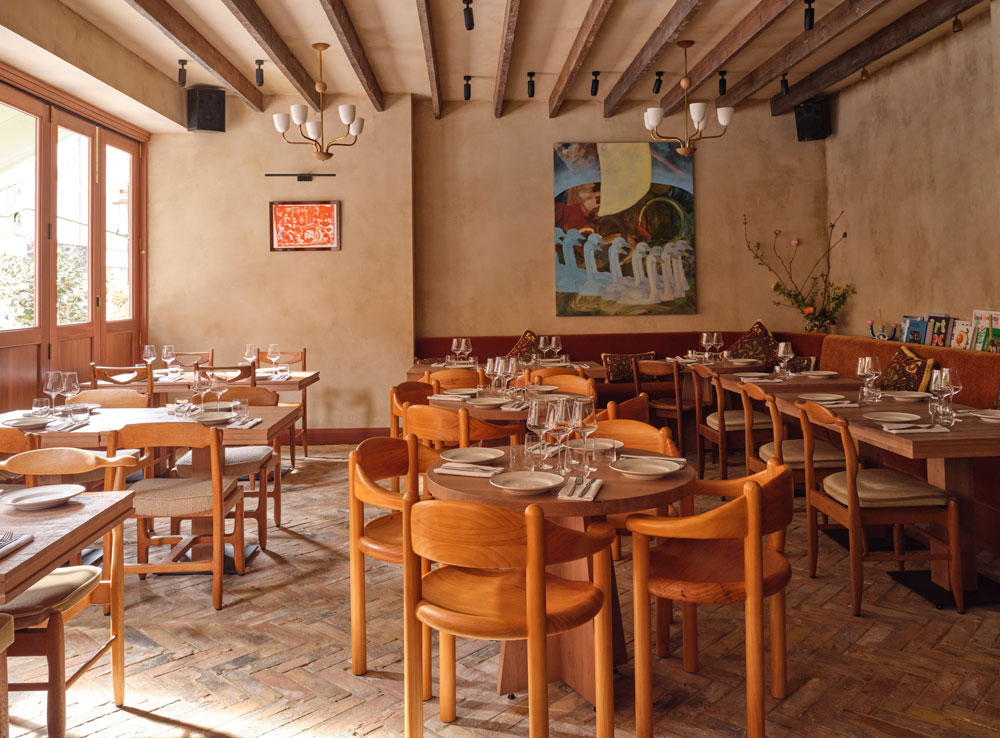
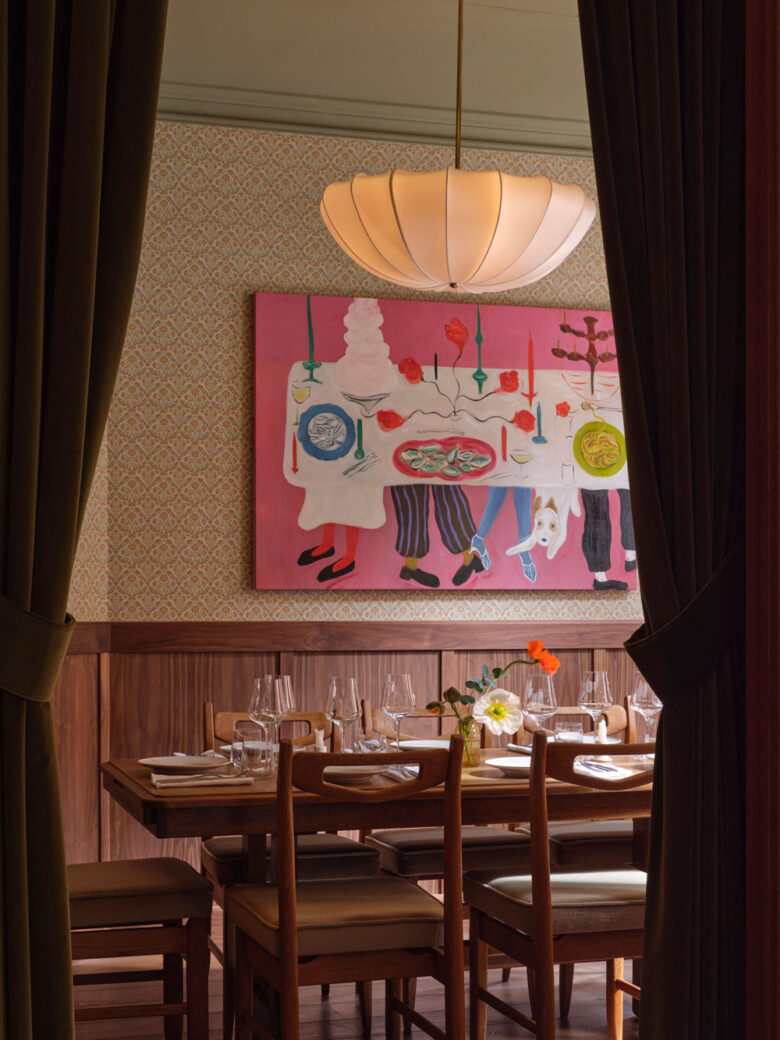
B3 Designers’ rustic Mediterranean bistro in London’s Marylebone
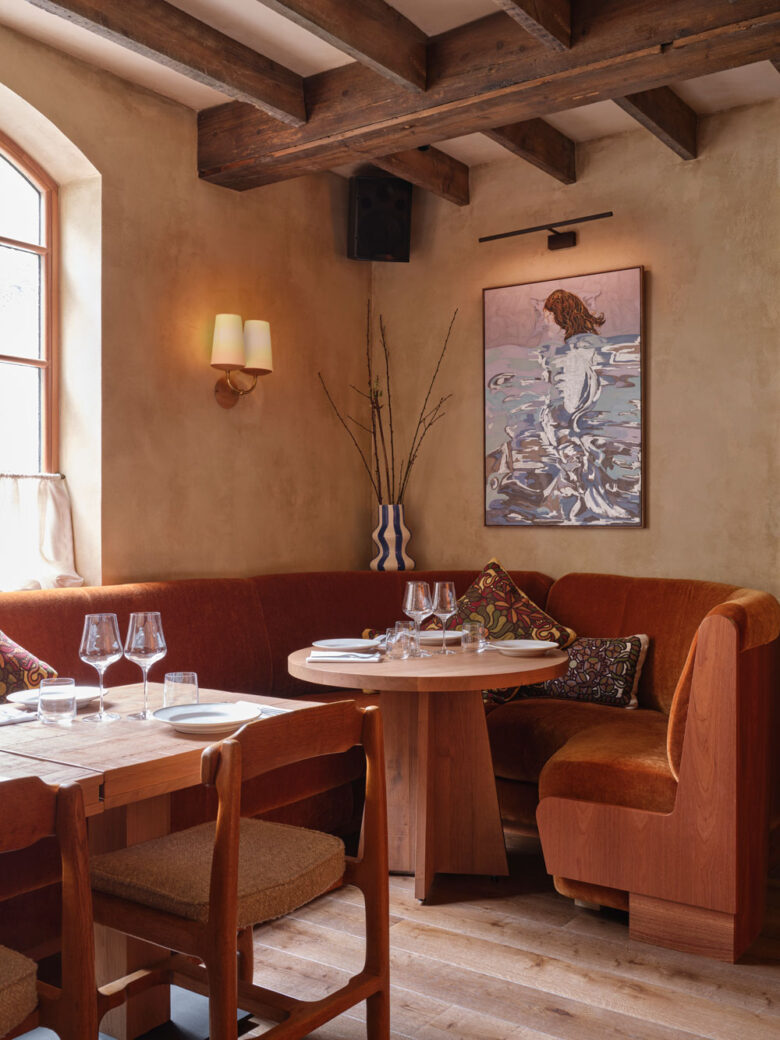
Short for ‘abuelita’, (meaning ‘grandmother’ in Spanish) Lita joined Marylebone’s culinary scene under the guidance of Canadian-born restaurateur Daniel Koukarskikh. Conceptualised by chef Luke Ahearne (formerly the Head Chef at Corrigan’s Mayfair), the restaurant was brought to life by Clerkenwell-based studio B3 Designers, who set out to channel the welcoming ambience of a rural French chateau.
Nodding to this rustic chateau aesthetic, the restaurant ceiling is crossed by exposed timber beams throughout, while diners can enjoy their meal from the comfort of restored antique tables and chairs by mid-20thcentury design duo, Guillerme et Chambron. Guests can choose to share a meal in this main dining area or one of three open counters manned by the in-house chef team. Clad with a mid-tone reddish sapele wood and topped with red travertine stone, these counters are joined by restored antique bar stools in a deep green velvet, with the bar equipment itself concealed behind bespoke cupboards to continue a more homelike feel.
Life and taxes: an HMRC office block is transformed into a co-living hub
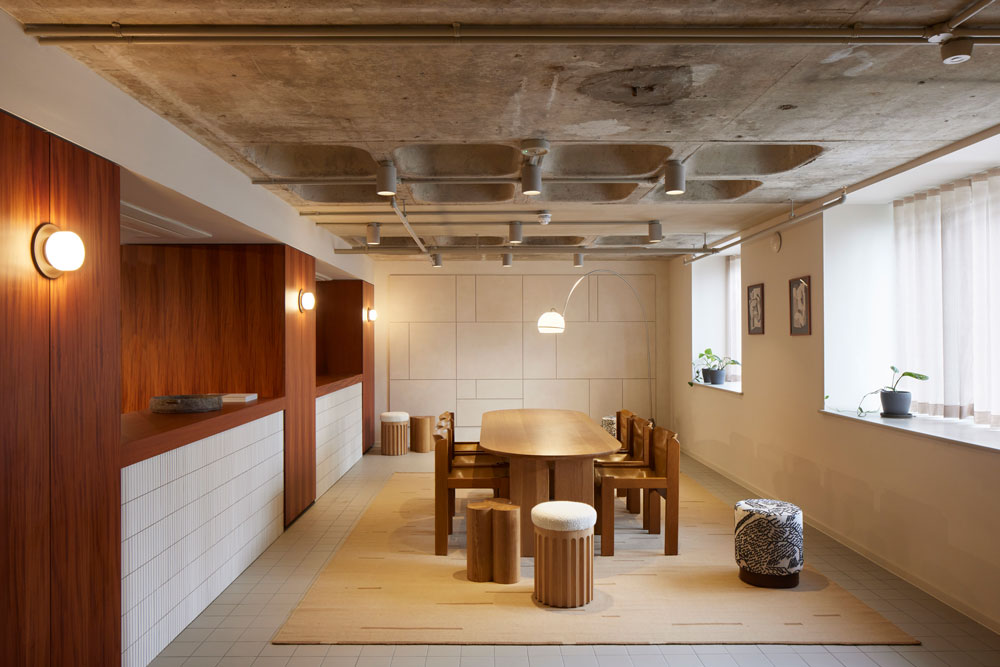
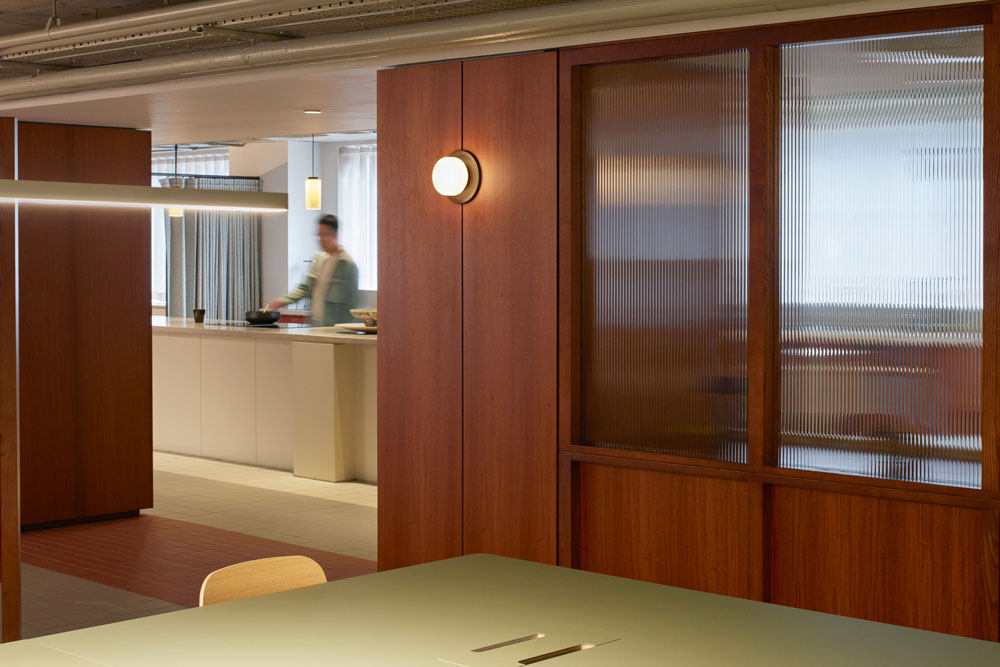
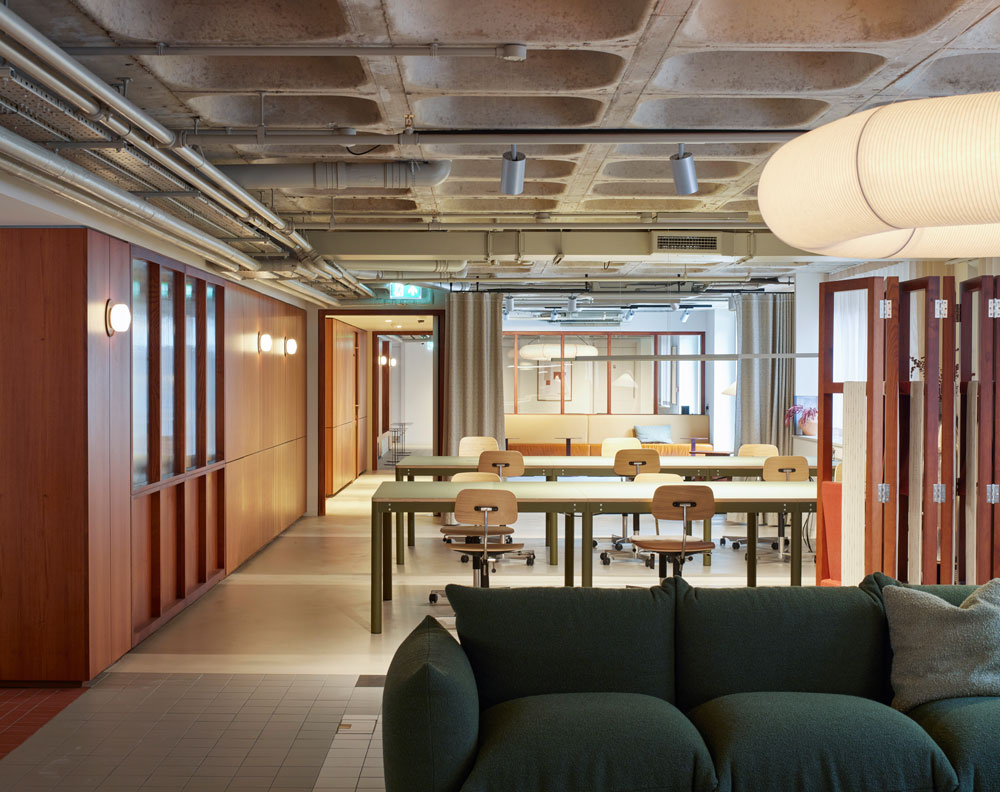
Overlooking Liverpool’s most recognisable ‘Three Graces’ landmarks on Albert Dock, this co-living project from SODA Studio takes a sustainable approach to the city’s urban regeneration and residential requirement – transforming an ugly HMRC office block into stylish modern apartments and amenities. The studio completed Roco in collaboration with Livingway, a development and management company based in the north of England, who originally connected with SODA via Instagram.
From the entrance, a floating timber ‘activity wall’ acts as a central spine throughout the narrow open floorplan and divides the ground floor into different areas for work, rest and play. “It’s essentially one large joinery piece that’s broken up into sections, splitting the building down the middle,” xplains Vincent Hon, architect at SODA Studio. “Within that we’ve included the bookshelves for the reading room, the kitchen and the private dining area, as well as different lounges and the reception space – all feeding off this spine.”