Mix Revisited: How Negozio Olivetti paved the way for experiential design
With contemporary emphasis on elevated experiences and adaptive reuse in retail and public sector spaces, we look back at Carlo Scarpa’s seminal 1950s showroom as a blueprint for success.
In our Mix Revisited series, we look back at the concepts that have defined and redefined how we use and design spaces.
Looking at the retail world today, concept stores, pop-ups and mixed-use showrooms have all markedly grown in popularity as we try to reinvent and revive the high street as we know it. In considering the concept and design landscape of today and tomorrow, we can also learn by looking back. One of the of the most seminal and influential examples of a design-led, elevated retail space was conceived in 1957 – still defined as a building of national importance and a key example of Italian, and even global, architectural legacy.
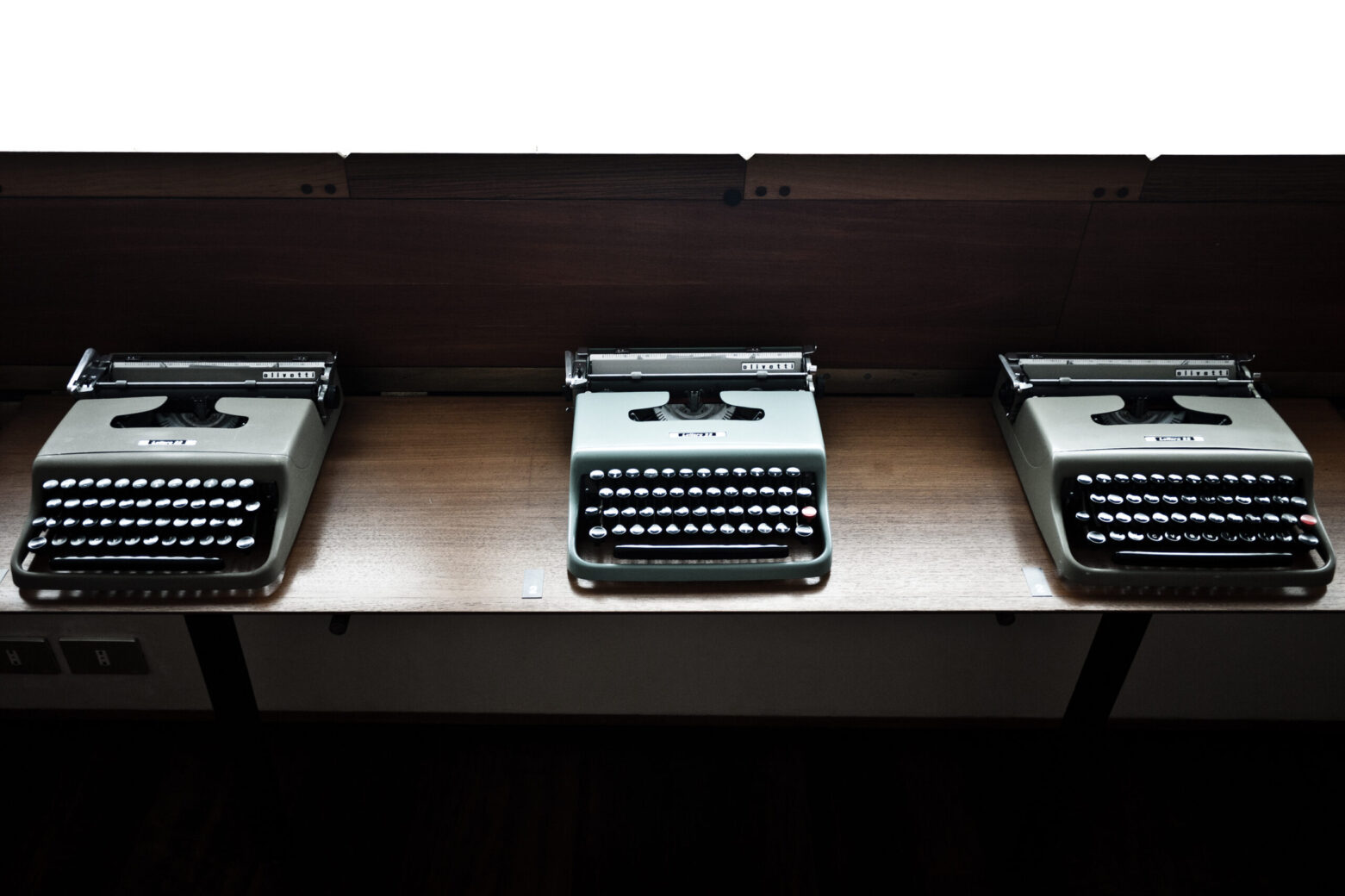
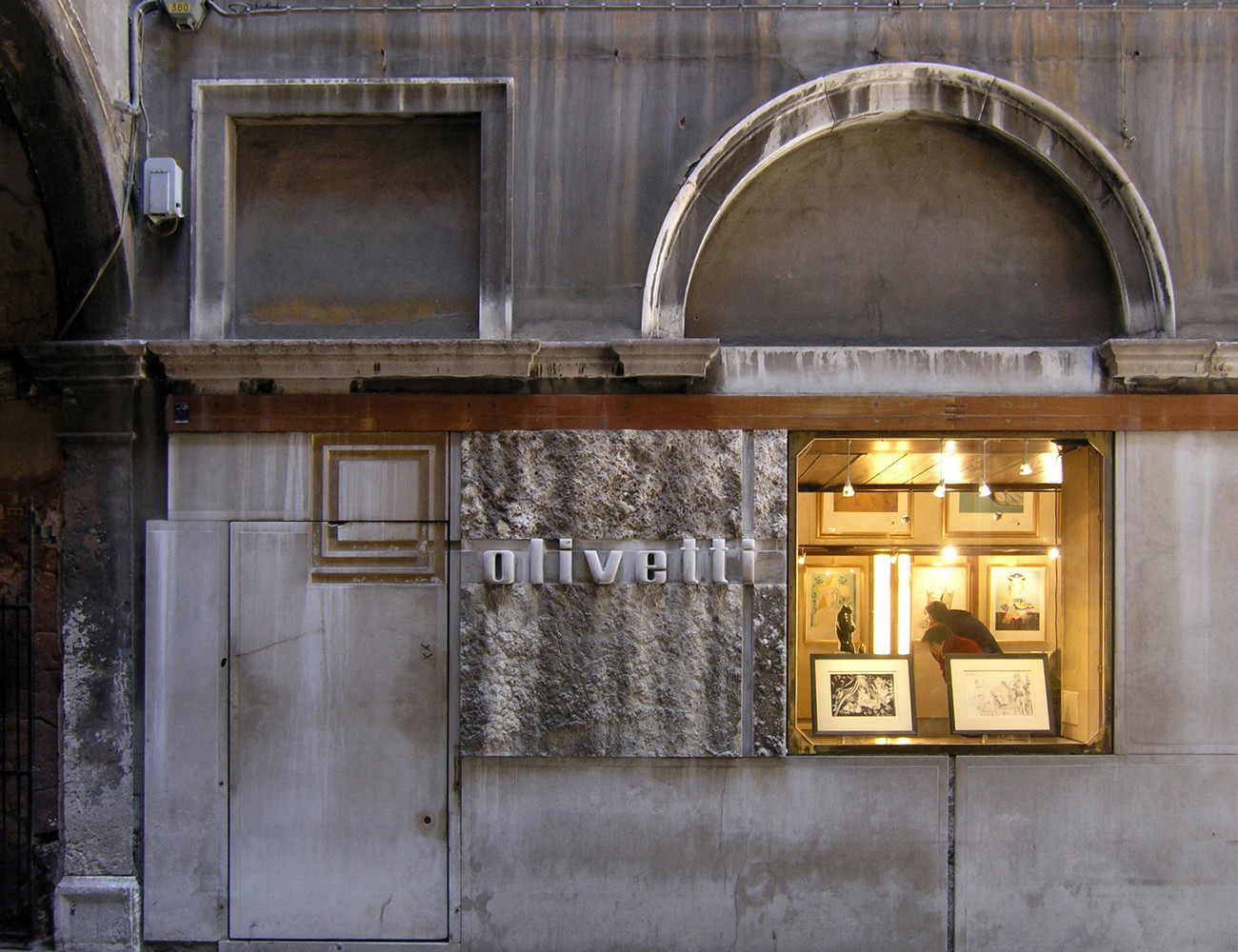
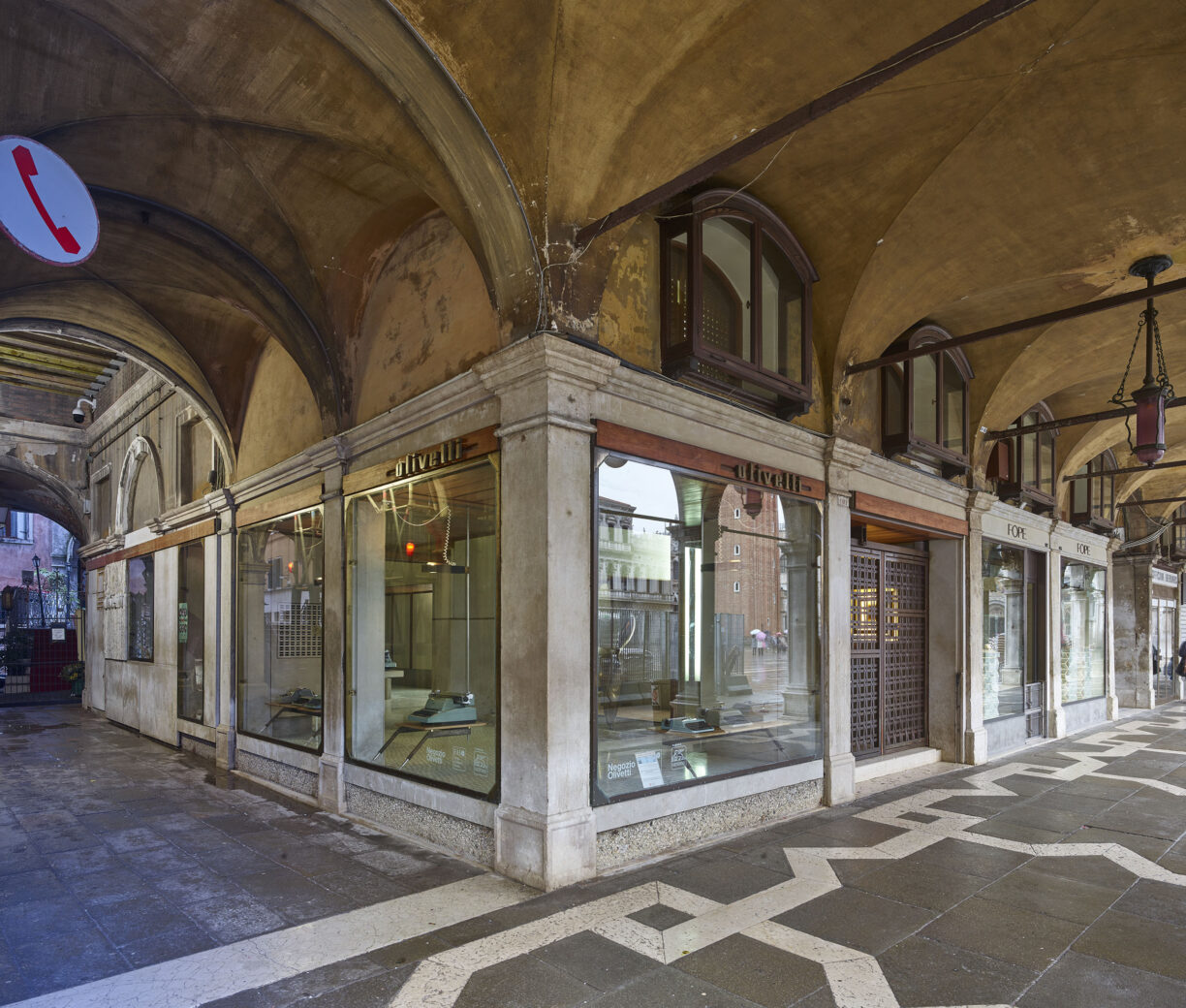
Commissioned by typewriter manufacturer Adriano Olivetti, Italian architect and designer Carlo Scarpa took on the ambitious task of remodelling a 16th-century building under the colonnades of the Procuratie Vecchie, in Venice. Scarpa, now recognised as one of the most significant architects of the 20th century, transformed the interiors into Negozio Olivetti: a light-filled, contemporary showroom for the company’s signature typewriters. In doing so, he provided a trailblazing example of adaptive reuse and conditional building, with renewed relevance – both in terms of sustainability and transforming the retail experience.
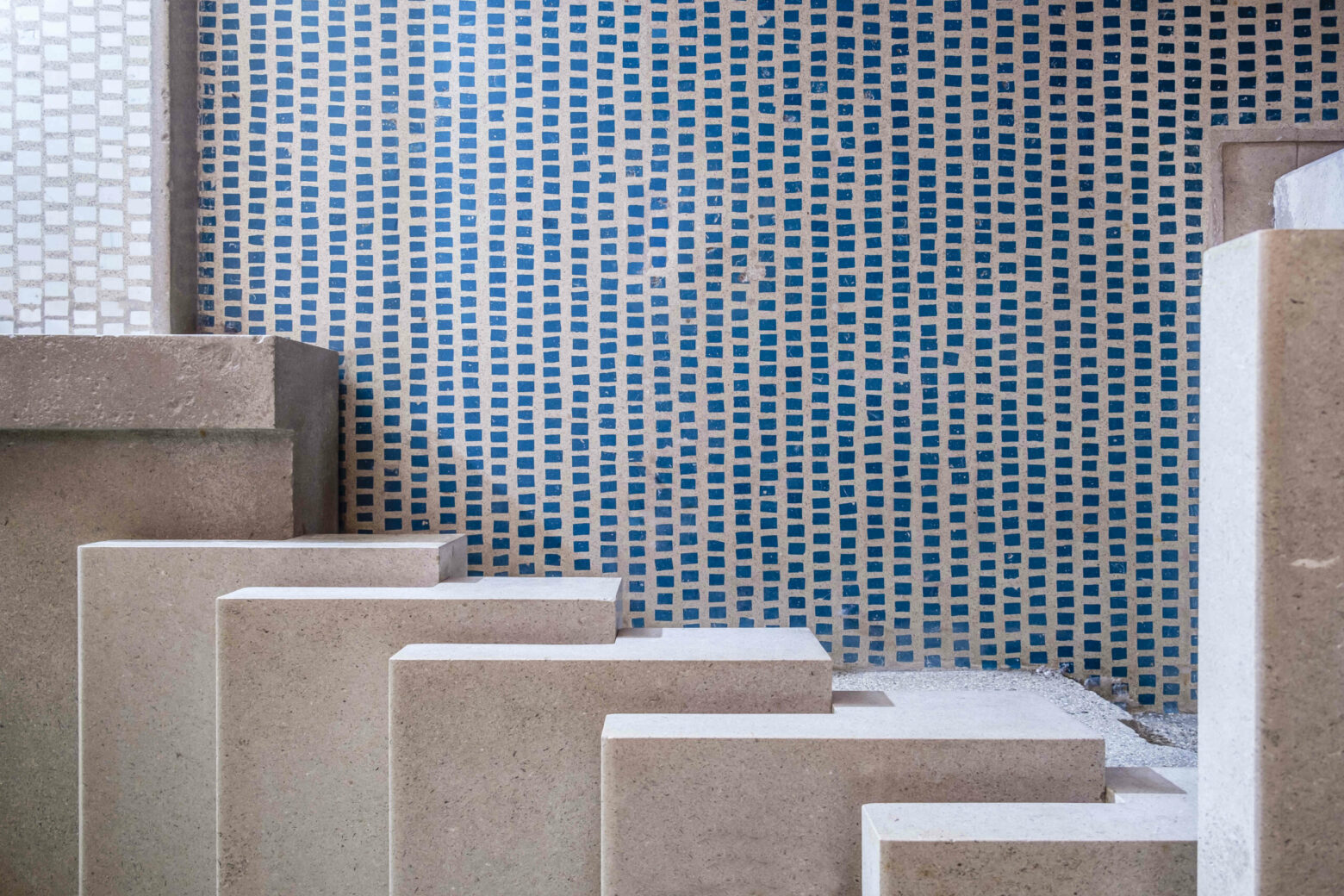
 photography seier+seier
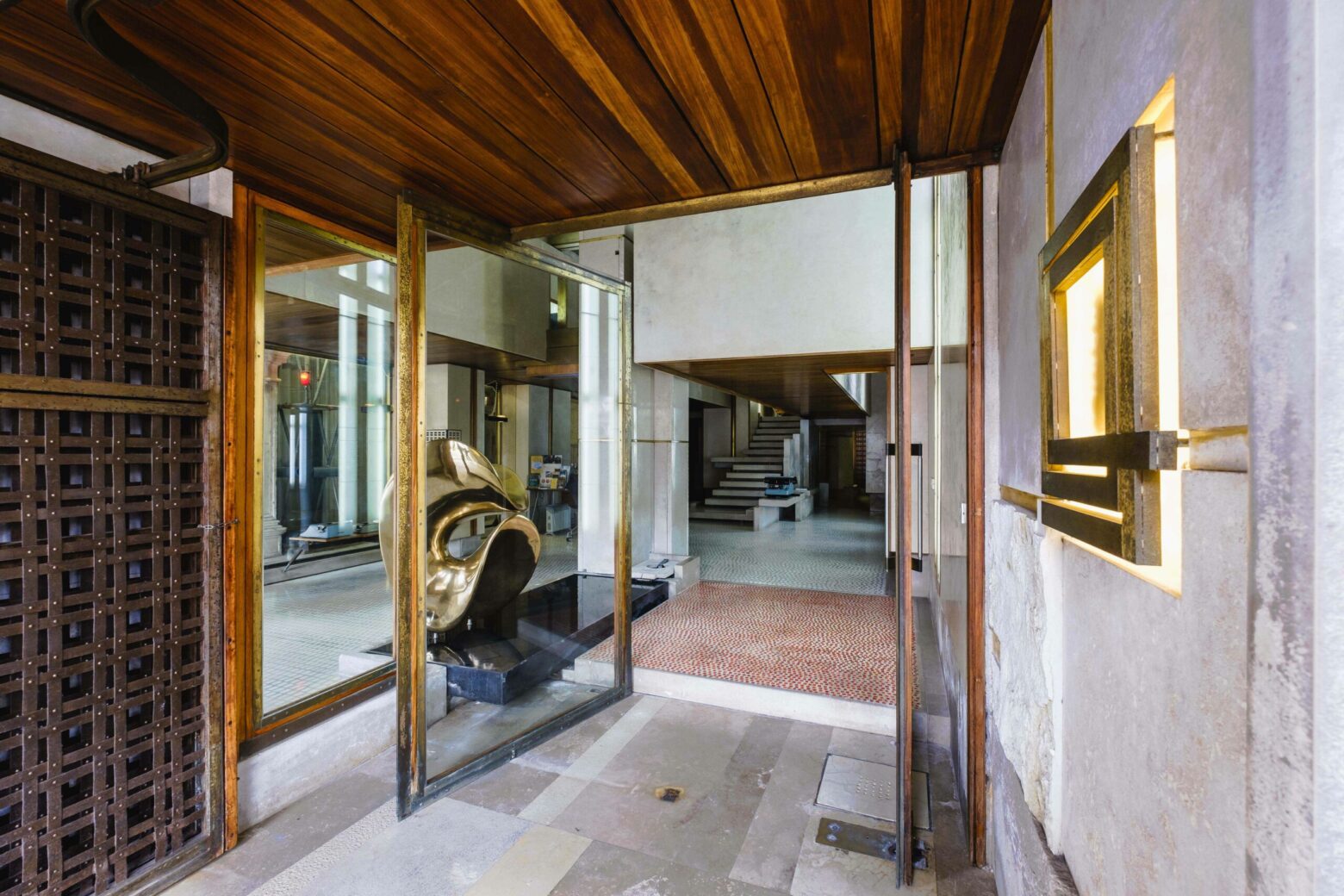
 photography Cemal Emden
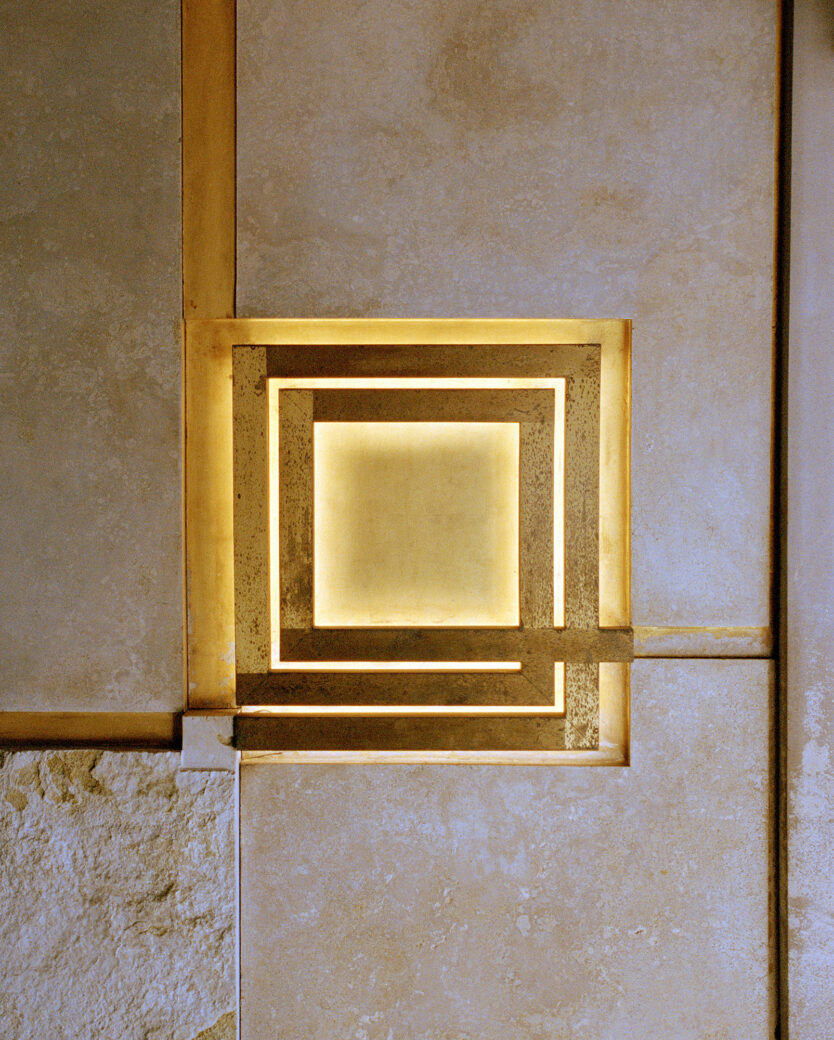
 photography Alvise Nicoletti
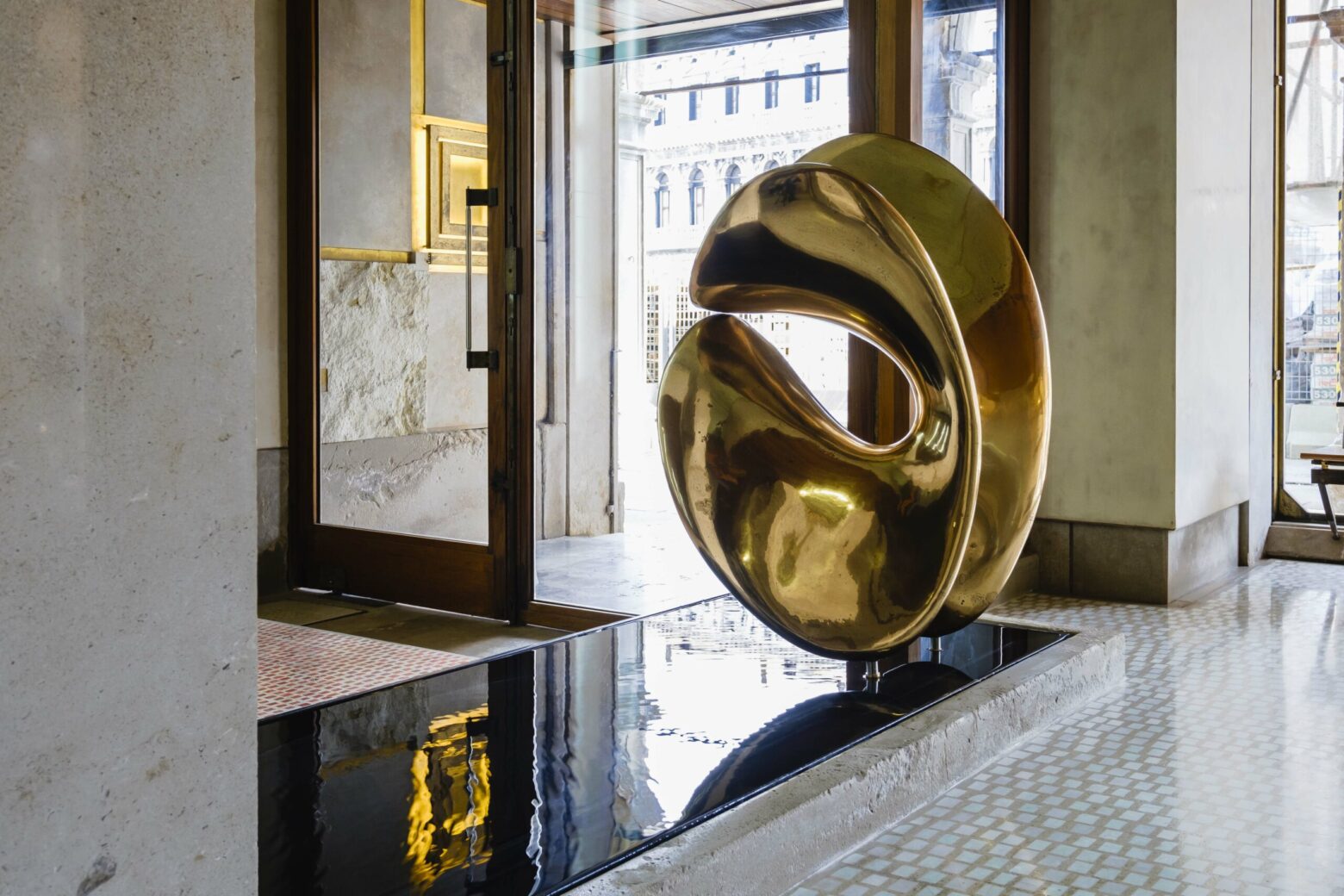
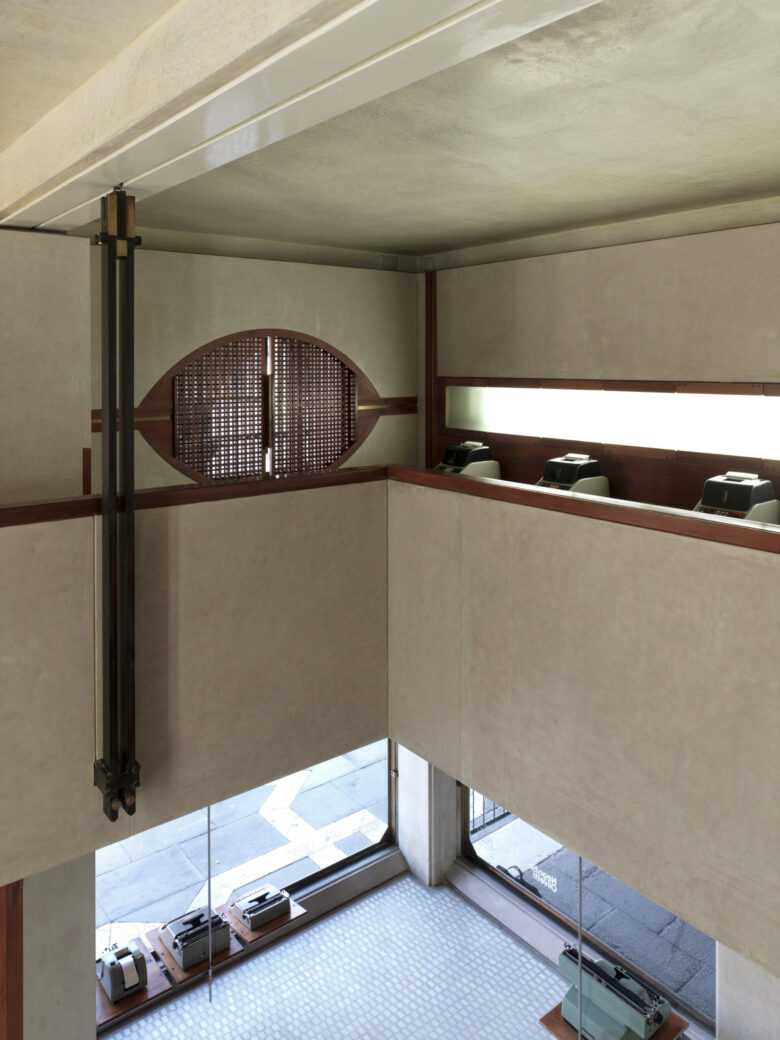
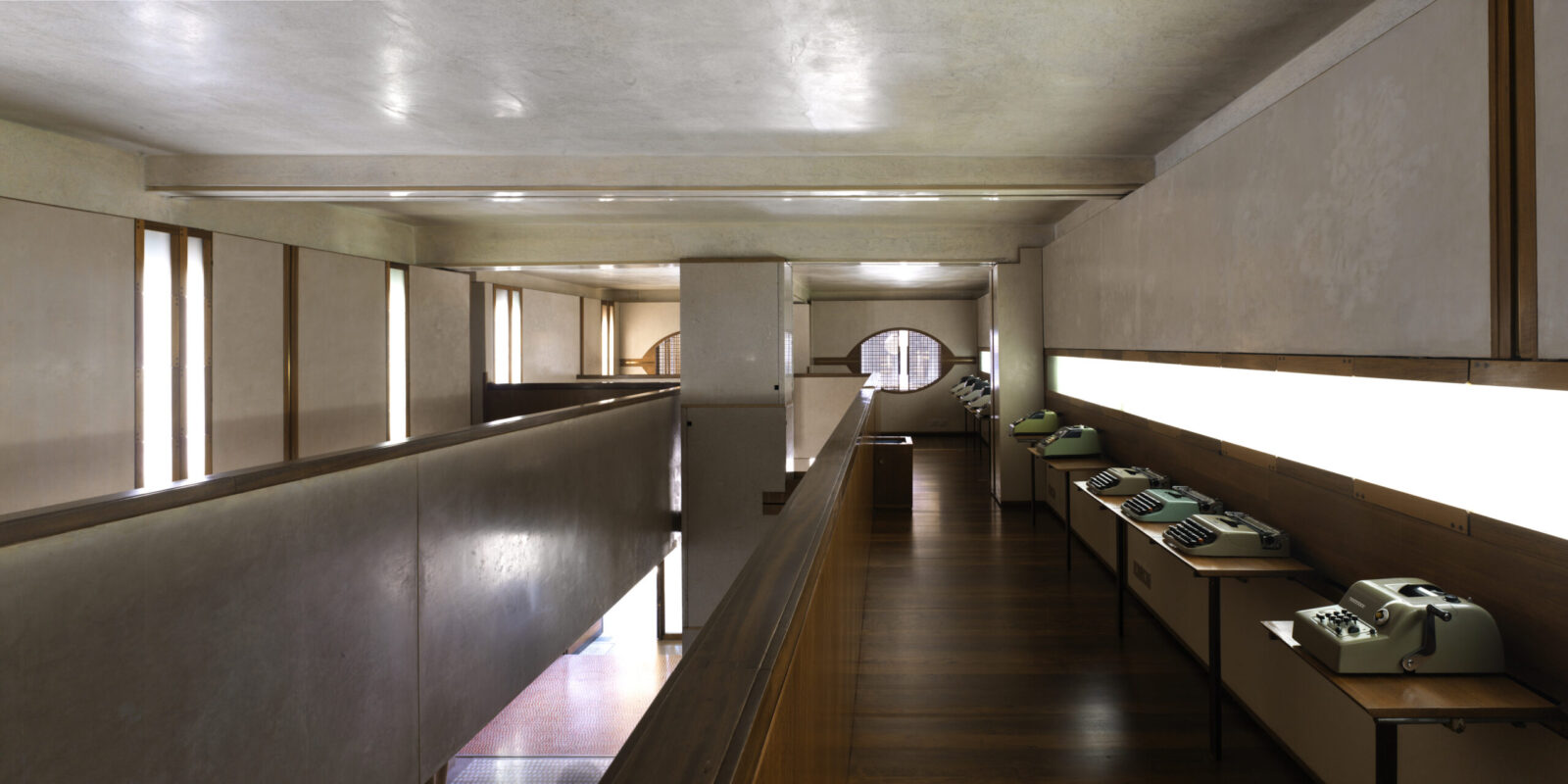
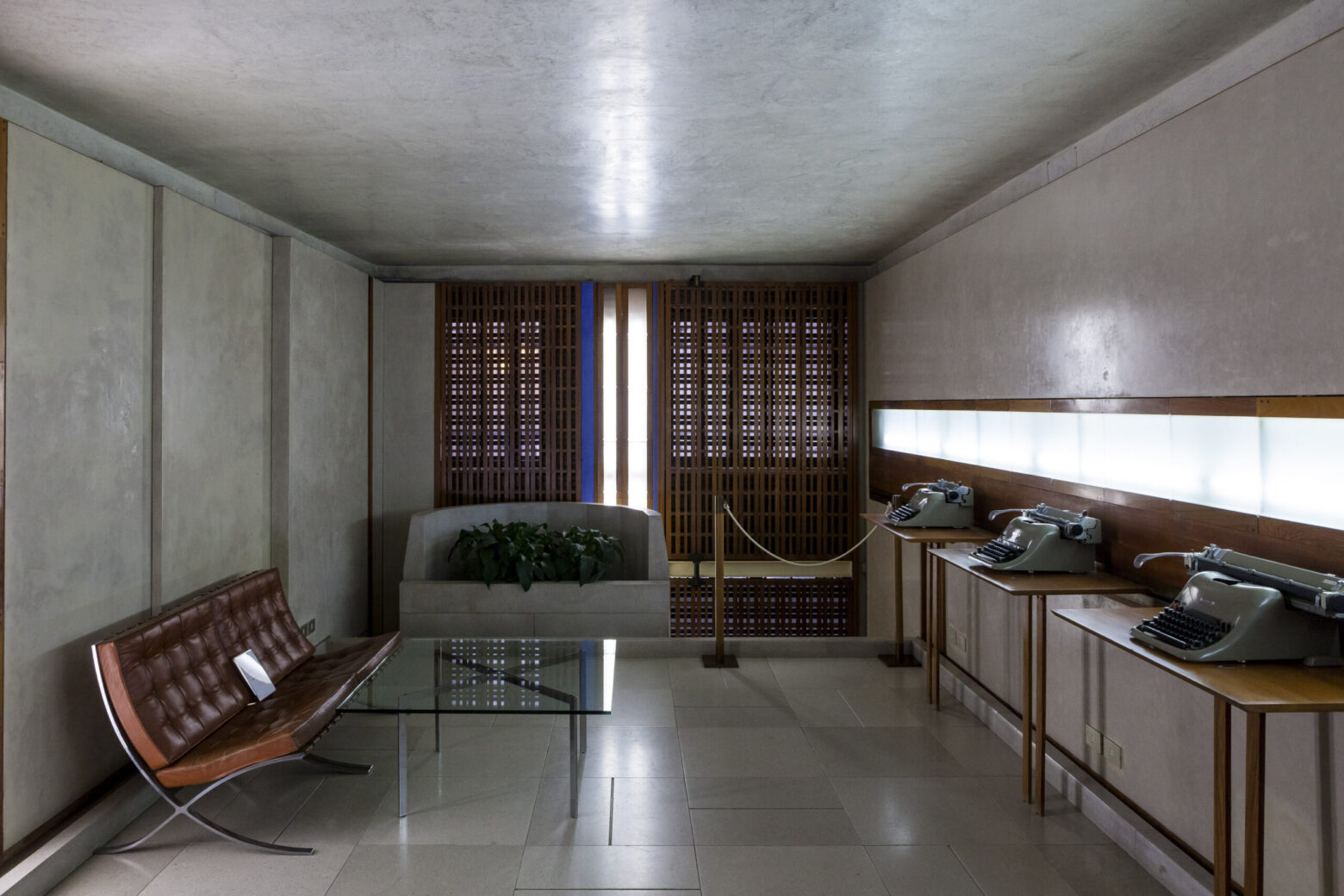
One of Negozio Olivetti’s most defining features was how the showroom became a space to showcase Scarpa’s talent as an architect, just as much as the products themselves. The once dark, archaic Piazza San Marco was filled with light from additional windows, Murano glass tiles and strategically placed internal lighting (something arguably ahead of its time). As well as key focal points such as the shining sculpture ‘Nude in the Sun’ by Alberto Viani (displayed on a slab of black marble), the showroom’s distinctive style is also defined by Scarpa’s considered choice of materials, which includes Aurisina marble, rosewood, African teak, metals and stone, laid side by side with mosaics and traditional Venetian stucco.
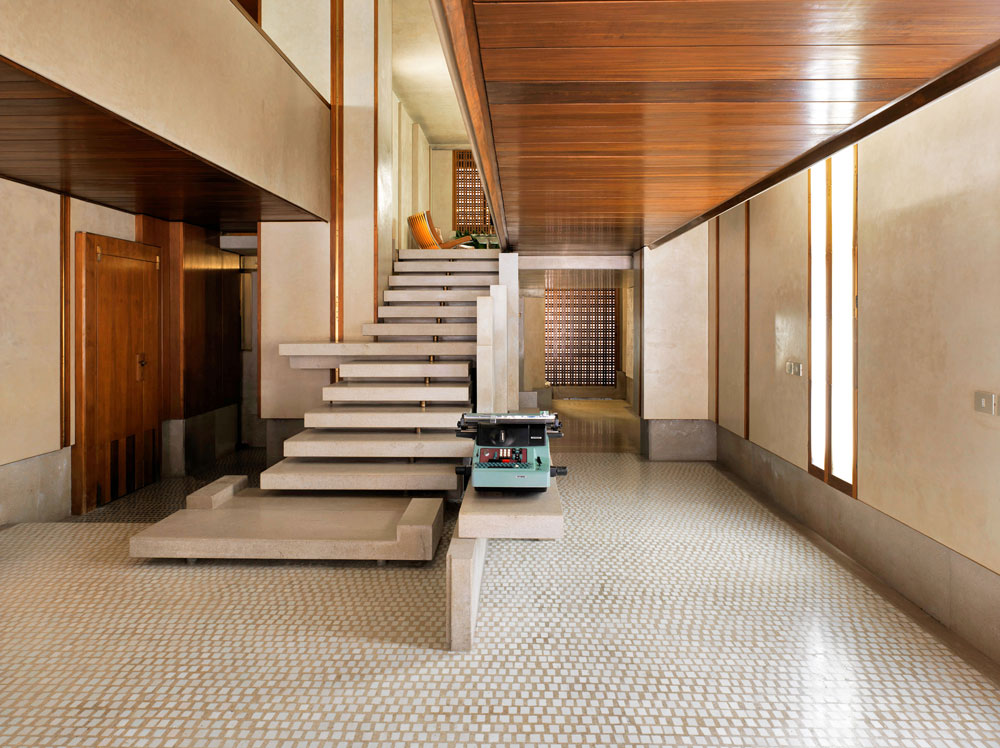
Most notable and popular with visitors, however, is the striking marble staircase that connects the building’s mezzanine with the ground floor. Appearing to hang in suspension, the staircase is crafted from individual stone slabs supported by brass rods and leads from an ornamental fountain to two intimate gallery spaces above. By creating such a unique, disruptively-designed space in this historic Venetian building, Scarpa’s showroom continues to demonstrate how we can elevate both retail and public sector spaces, and turn them into something culturally rich and enduring. As such, the showroom has now become a destination in itself, and continues to draw design lovers from across the globe.
Project Gallery