From the inside out: ten boundary-blurring spaces
From workplaces inspired by local architecture to the welcoming shade of a hotel patio, we handpick a selection of projects softening the lines between inside and out.
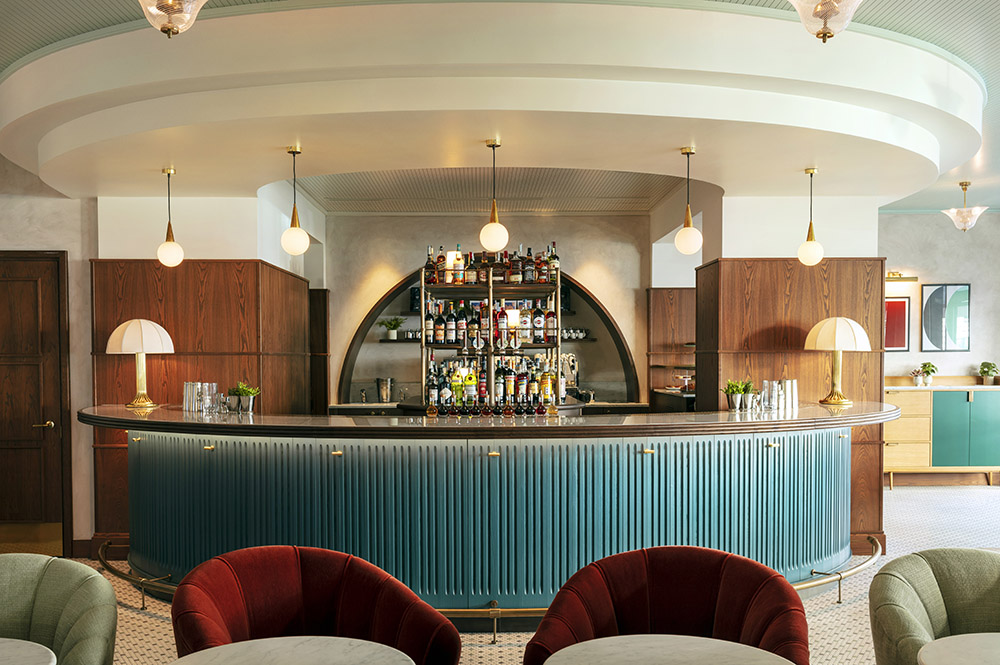
Fettle celebrates local design and architecture at The Hoxton, Rome
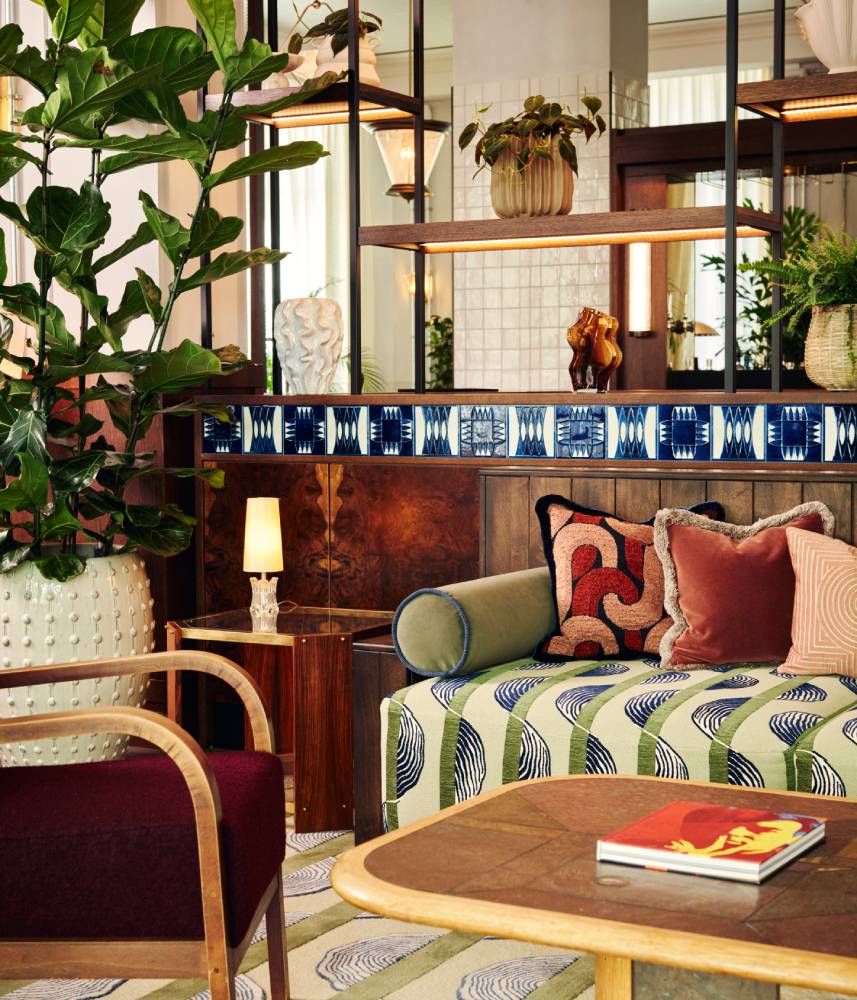
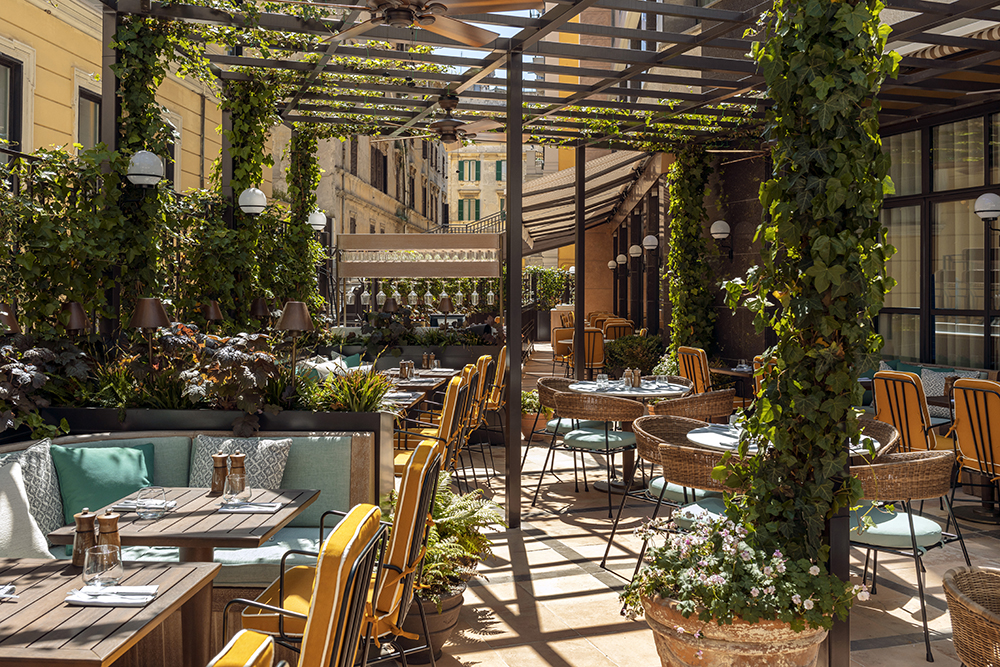
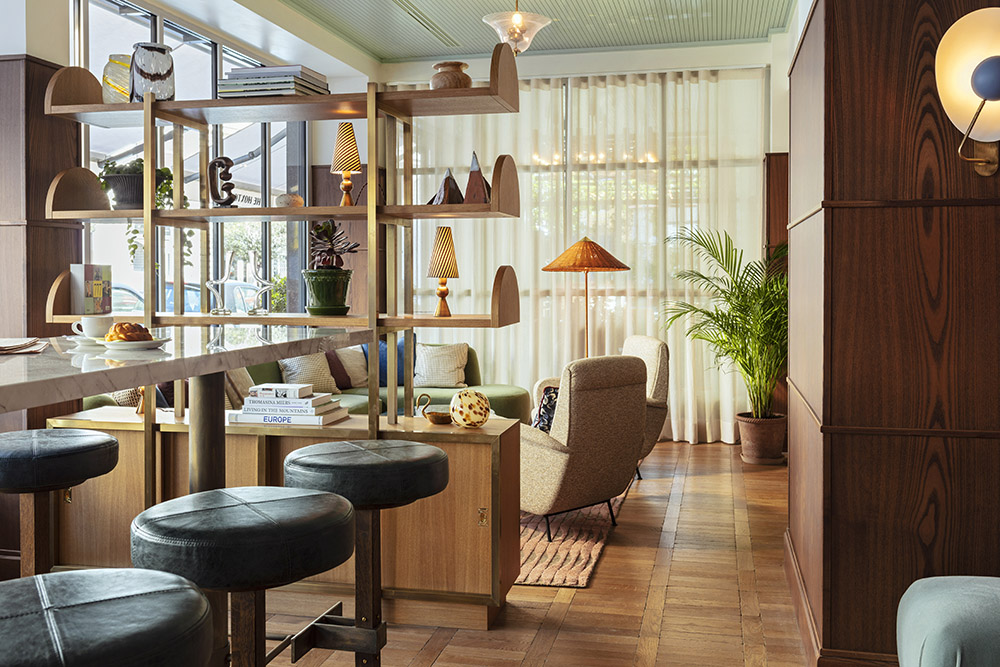
When crafting an initial design concept for The Hoxton, Rome, Fettle not only drew from the existing aesthetic synonymous with the hotel brand, but also used the building itself and its locality as reference points. From the lobby to the Cugino café bar and the sun-dappled, ivy-clad terrace, Fettle took inspiration from the typical Roman apartment; Crittal glazing along the façade of the building allows the coffee bar to be seen from the street and for natural light to pour into the space, while bespoke wall and bar lighting and vintage pendants were also introduced to offer a soft, ambient glow at low level around each space.
Architecturally, Fettle opted for a natural palette with finishes including timber clad columns, patterned brickwork and textured plaster walls, offset by rich textures and playful fabrics used throughout the space as well as statement rugs, and eclectic artwork.
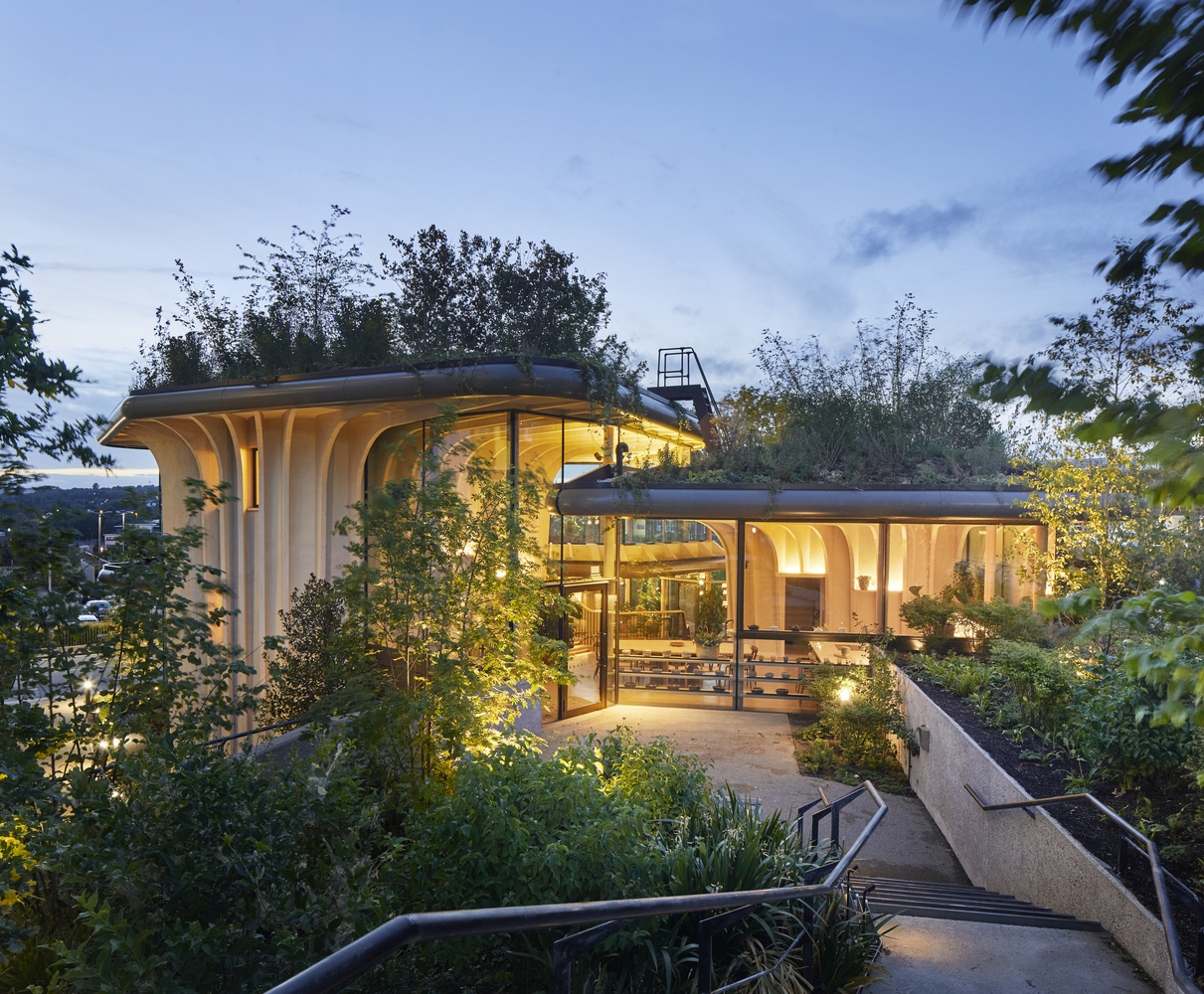
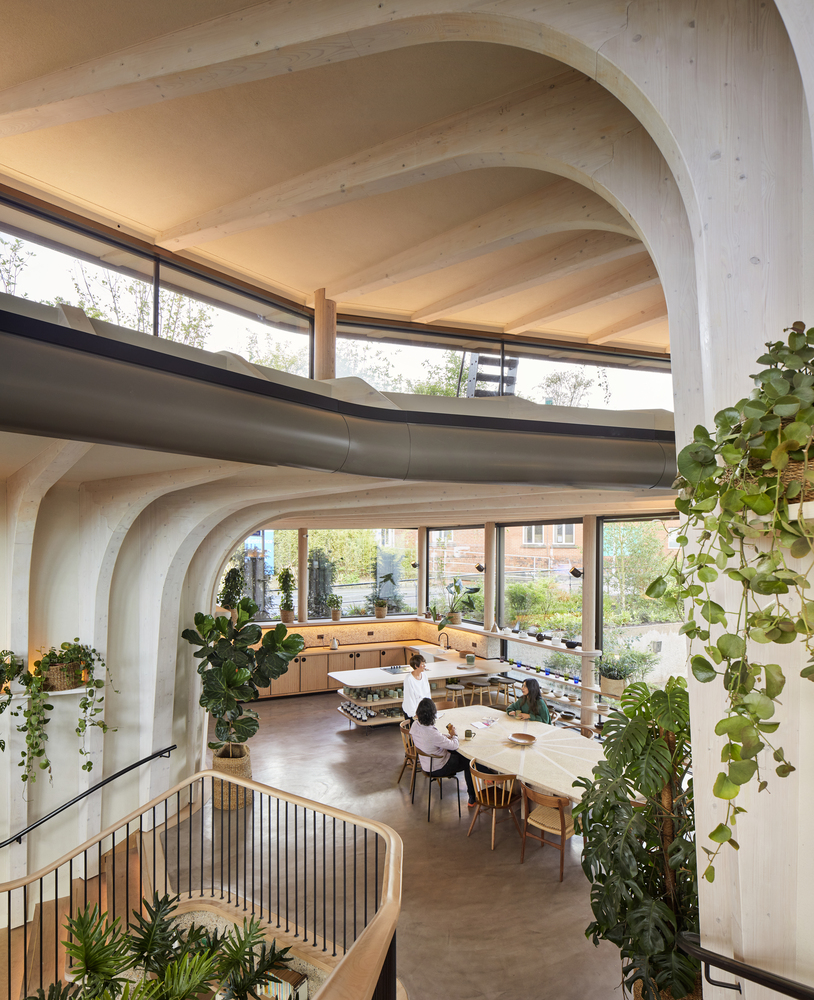
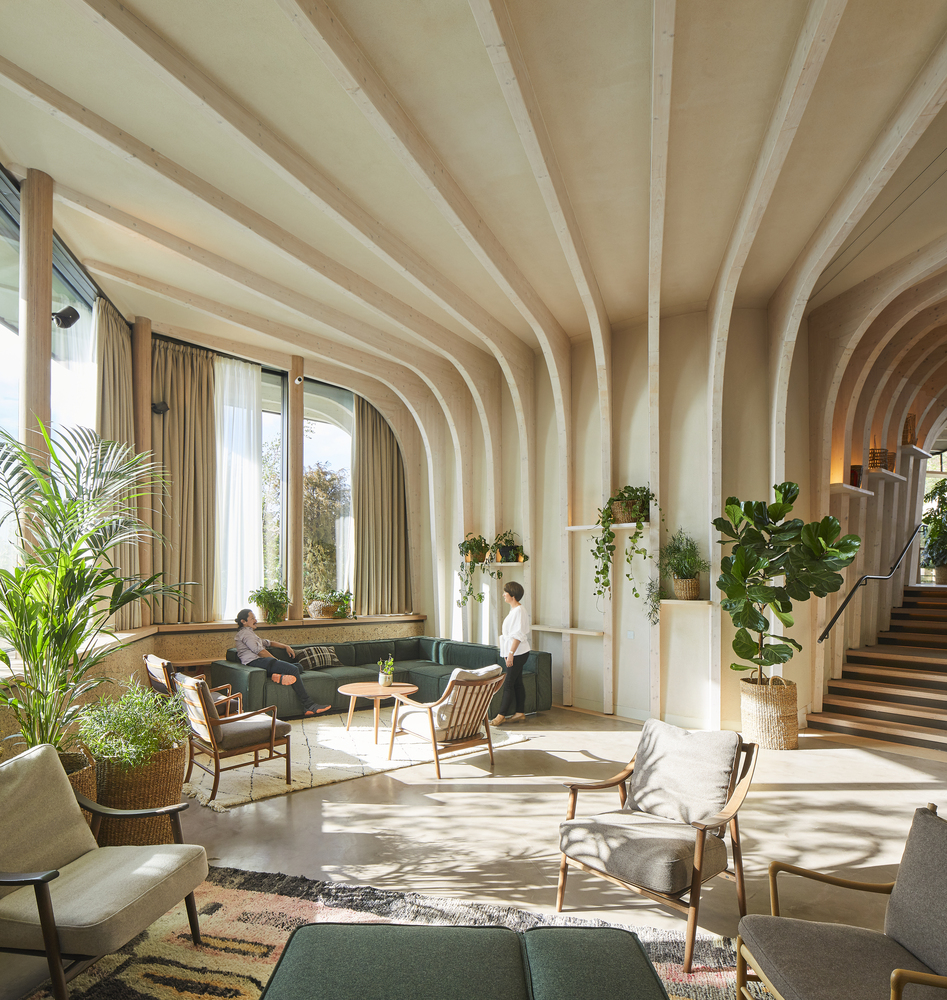
Heatherwick Studio creates a biophilic wonderland at the 26th Maggie’s Centre
Aiming to preserve the only green space at St. James’s Hospital, Leeds (a grassy hill next to the car park, surrounded by roads and large buildings), Heatherwick Studio delivered a stunning, ambitious concept for cancer care charity Maggie’s. Led by the restorative powers of the great outdoors, the studio incorporated a rooftop garden, communal kitchen, exercise room and a library, enclosed within a timber structure and complemented by sustainable materials such as cork and lime plaster.
“Our aim was to build a home for people affected by cancer that would be soulful and welcoming, unlike other typical clinical environments,’ says studio founder Thomas Heatherwick. “By only using natural, sustainable materials and immersing the building in thousands of plants, there was a chance for us to make an extraordinary environment capable of inspiring visitors with hope and perseverance during their difficult health journeys.”
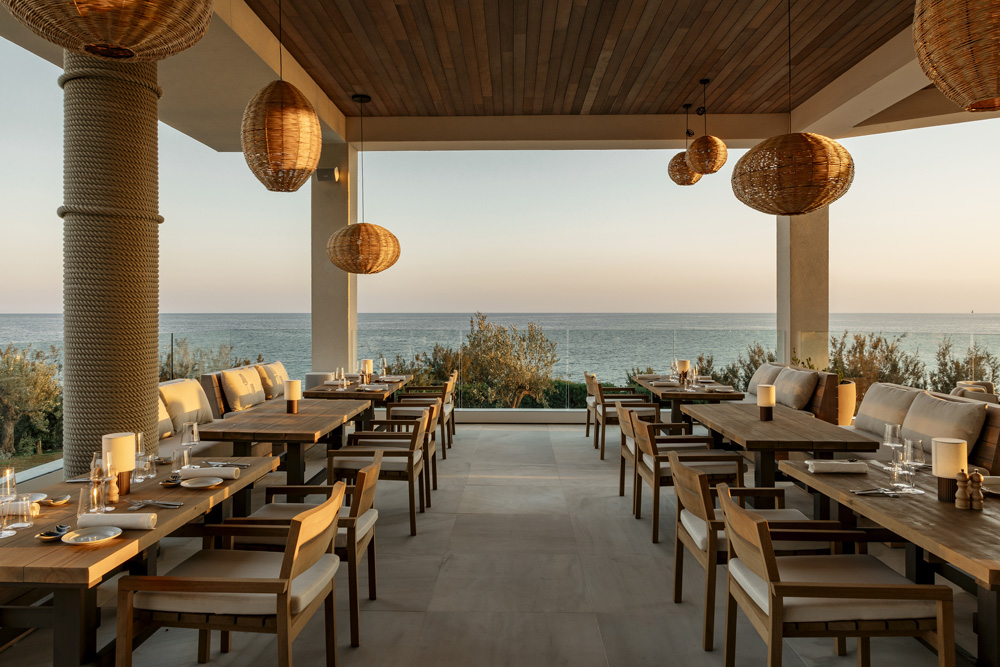
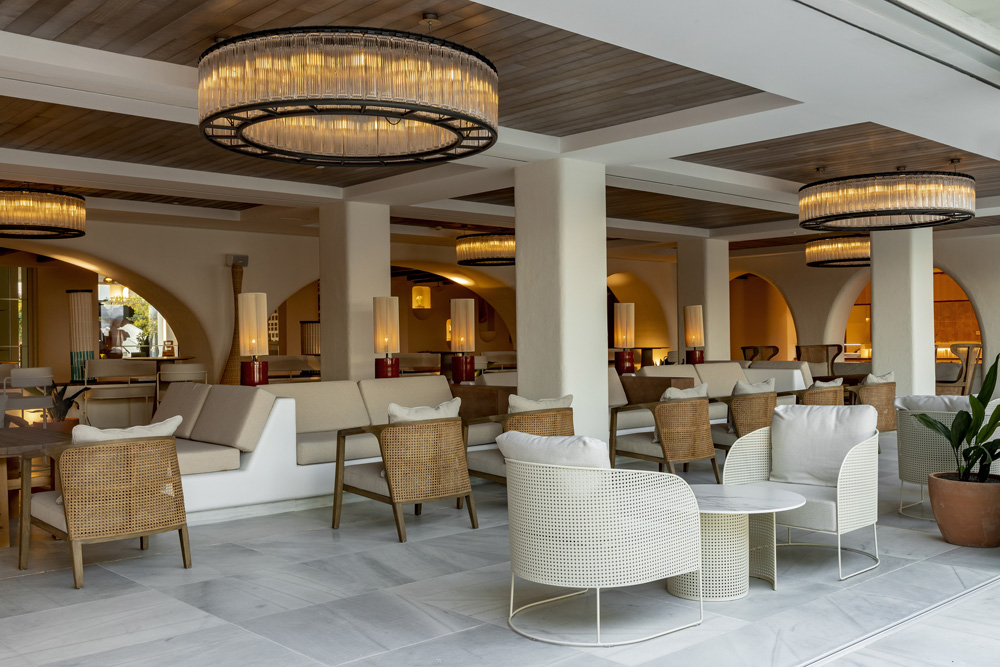
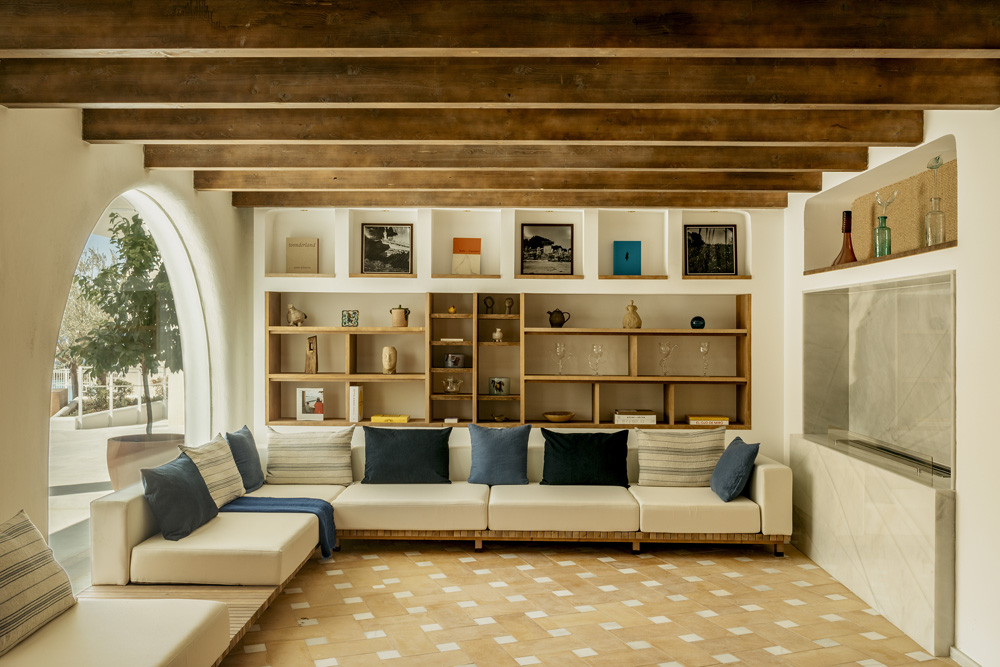
Gran Melia redefines alfresco architecture with Villa Le Blanc
The hotel group’s first carbon neutral prototype, Villa Le Blanc is both a test case and a demonstration of how luxury and comfort can walk hand-in-hand with the highest standards of sustainability. Designed by Spanish architect Alvaro Sans, Villa Le Blanc’s intelligent integration of interior and exterior spaces not only creates a deeper connection to the surrounding landscape for guests, but is a core component of its eco-ethos.
“Mediterranean architecture for me has five design premises: white, patios, arches, native natural materials and porches. They’re present in all spaces, both exterior and interior,” Sans explains. “This concept converts many of the interior spaces into covered exteriors and adapts them to the Mediterranean climate – playing with the sun, light and wind. This favours sustainability because it reduces air conditioning in common areas as well as maximising natural light through arches and large windows; the entire interior design of the hotel has taken these criteria into account.”
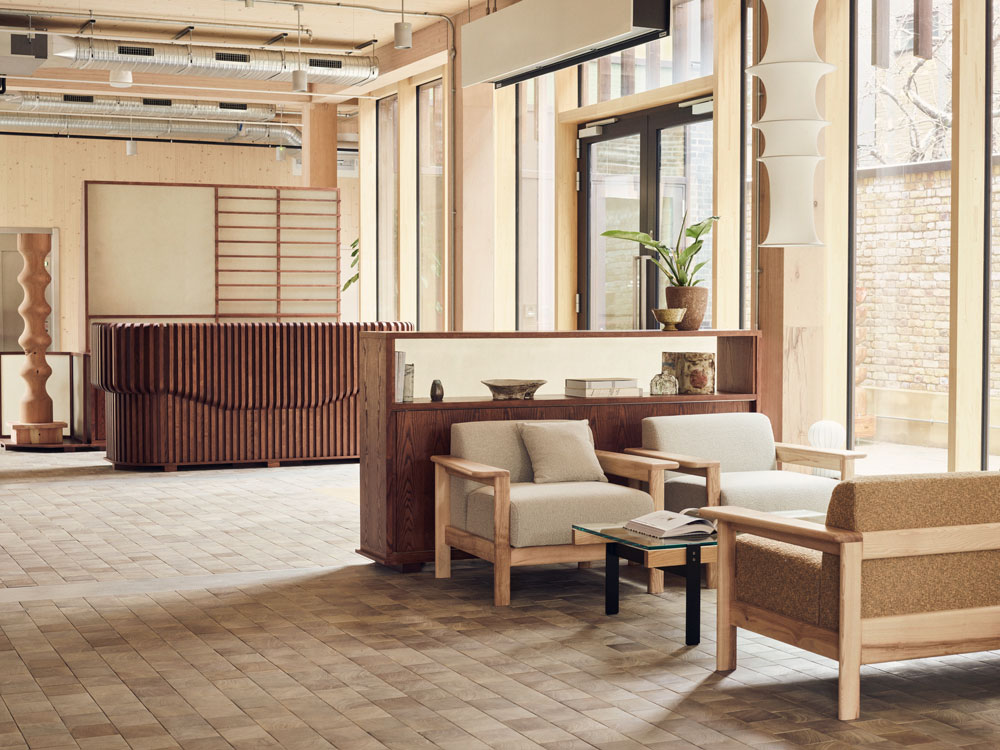
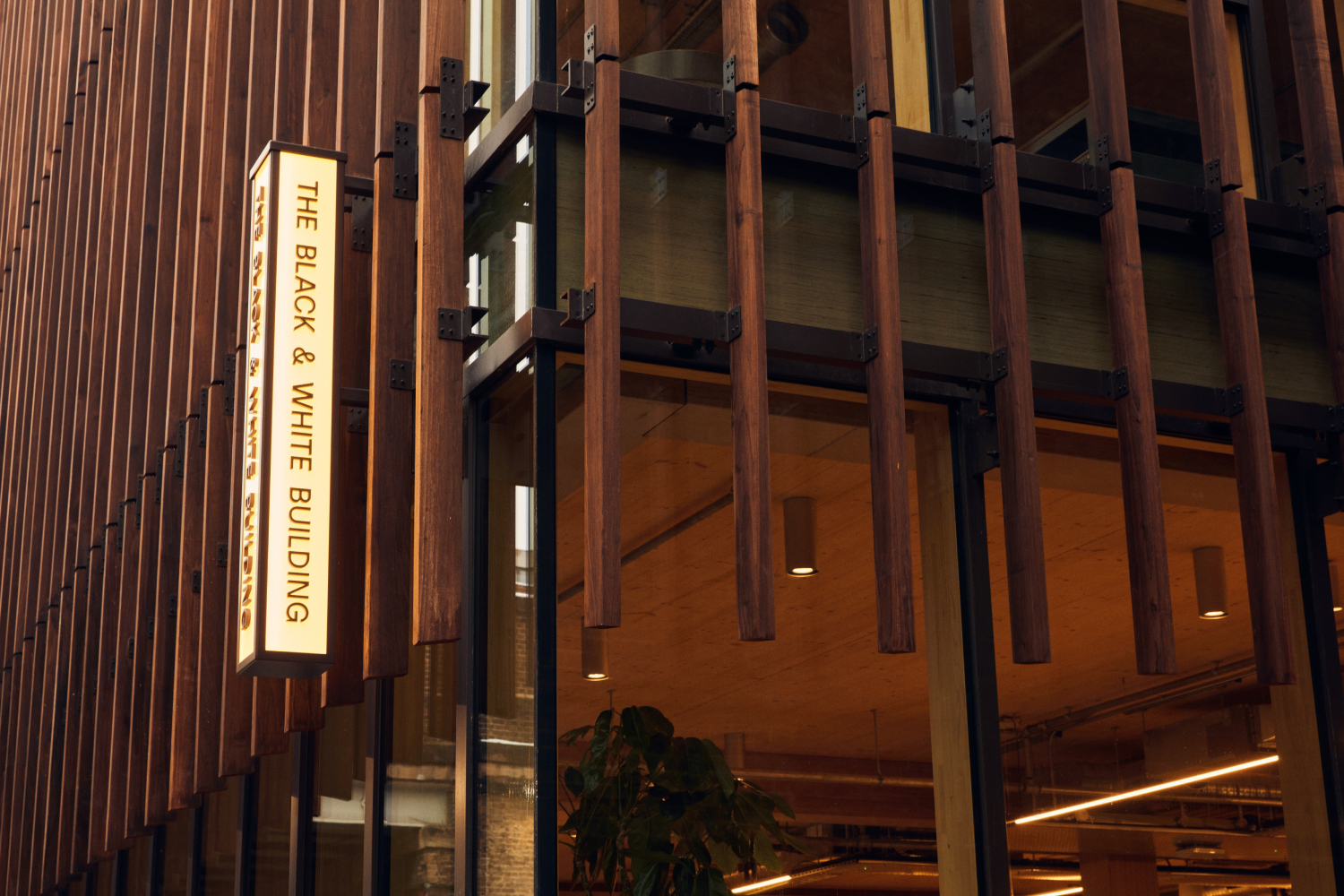
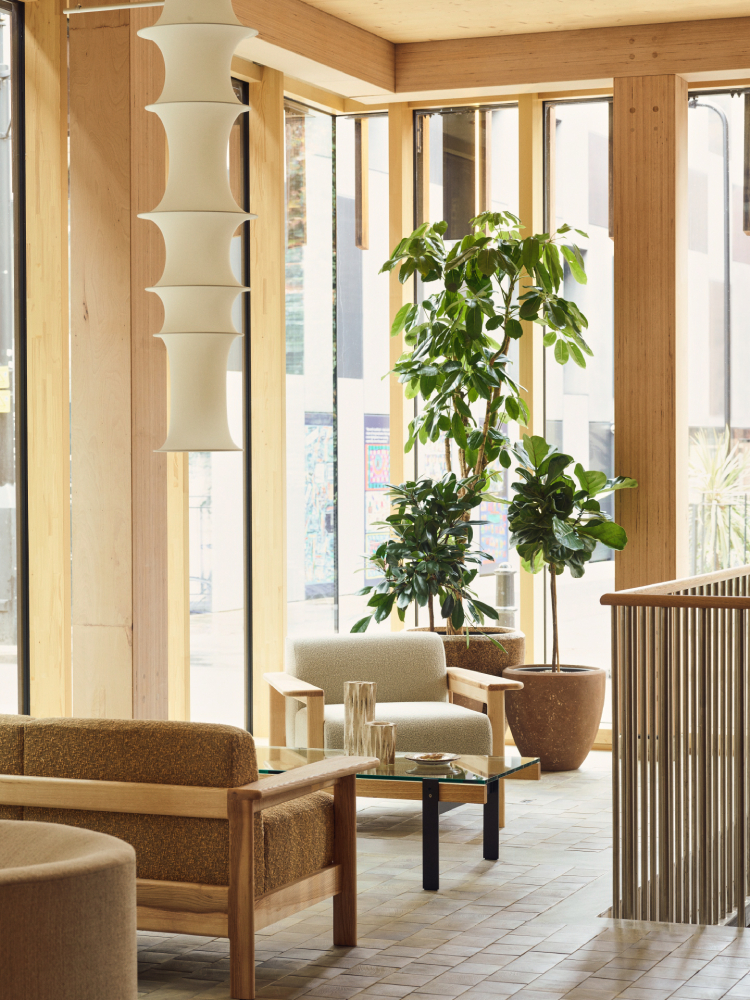
The Black & White Building from The Office Group (now Fora) is a lesson in mass timber – inside and out
The tallest mass-timber office building in central London, the new Black & White Building in Shoreditch rises from the site of a former timber seasoning shed – a union of style and substance, and then some. Thanks to its structure built from the ground up using cross-laminated timber (CLT) and laminated veneer lumber (LVL), the engineered wood exterior saves thousands of tonnes in C02, is highly durable, and can be disassembled and reused at the end of its life.
Inside, this exclusive use of natural materials continues with an honest, functional aesthetic by local design studio Daytrip, that still manages to brim with personality and nostalgia, lit with an abundance of natural sunlight from floor-to-ceiling windows.
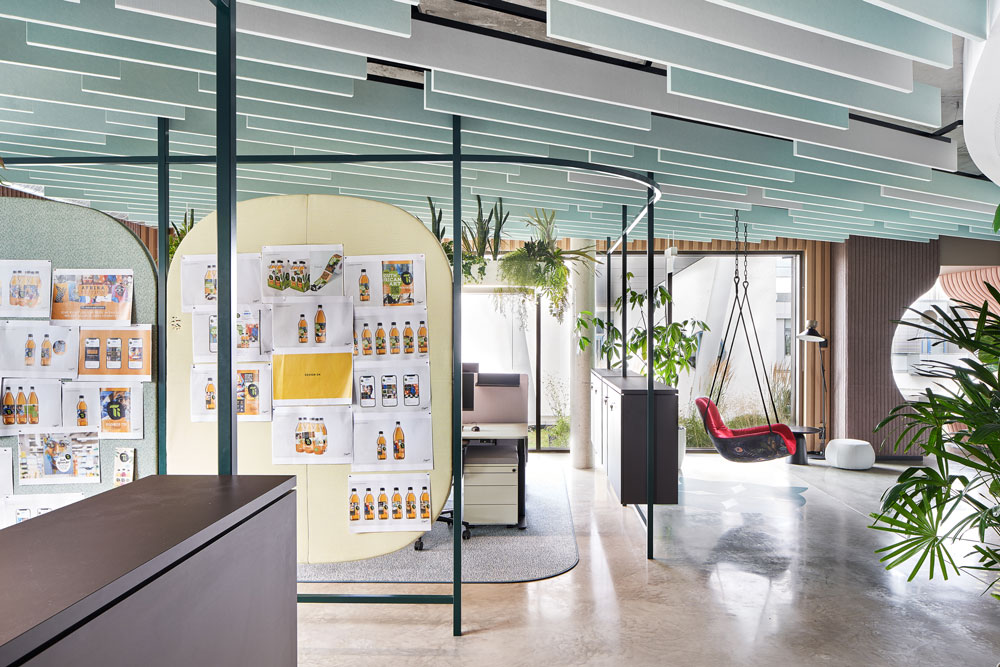
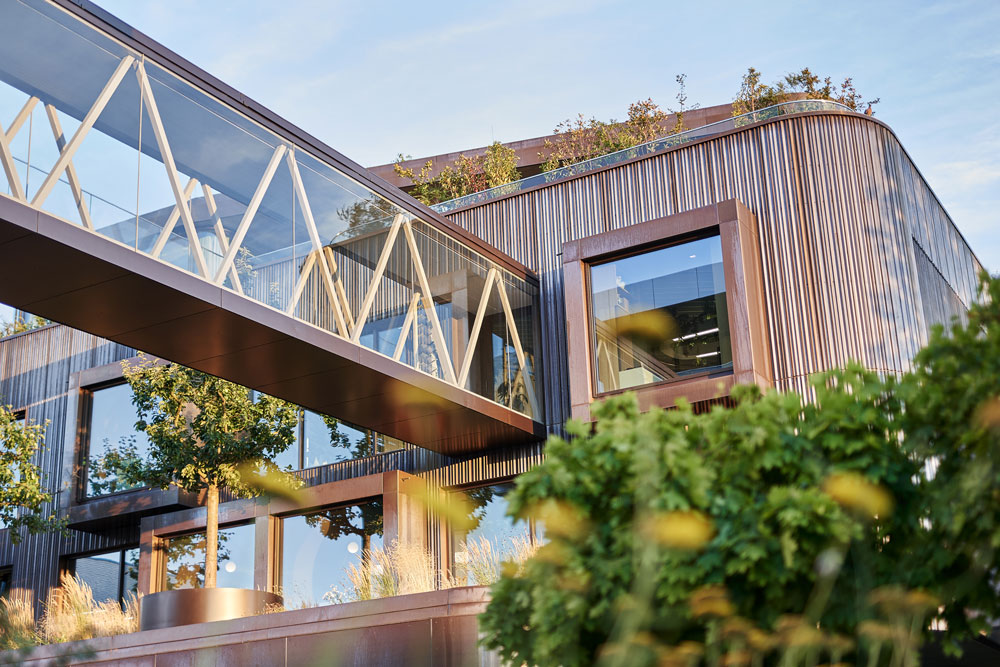
Spirit of play: a treehouse office sparks biophilic joy
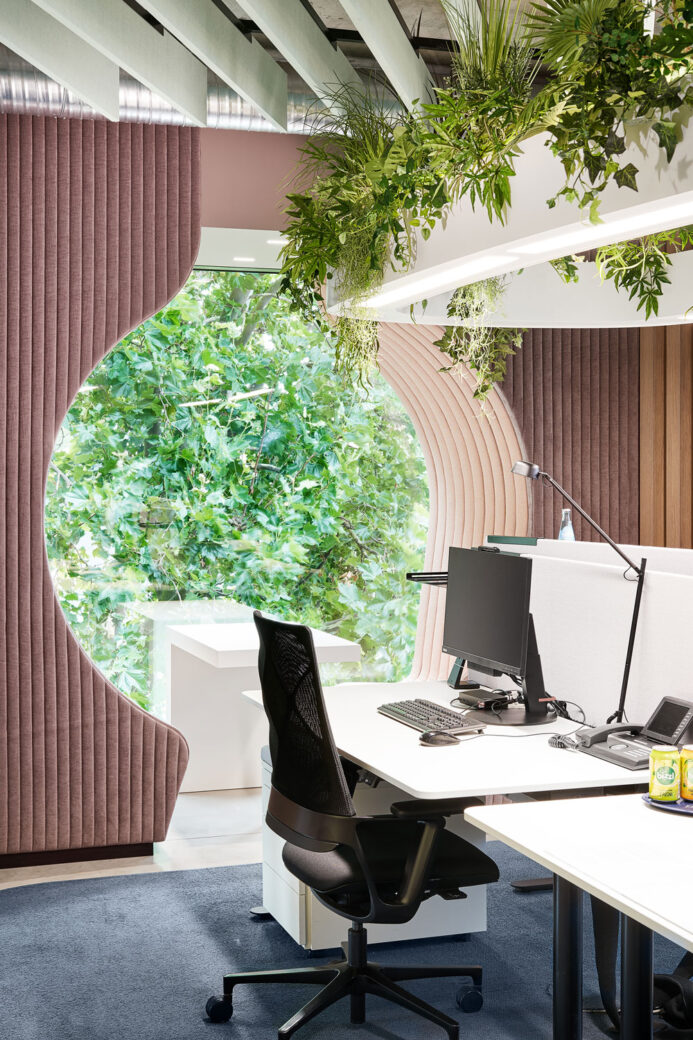
The vision of multidisciplinary design studio Ippolito Fleitz Group, visitors enter The Treehouse (the new HQ for German soft drink brand, Bionade) via an array of glass-walled walkways. Leading through the neighbouring trees to the central building within, these walkways are clad with a copper façade complementing the muted, organic palette of the woods, while inside, a contemporary, open-plan office awaits with flexible configurations baked in, offering a collaborative, colourful workspace that takes cues from the surrounding landscape.
Upper floors feature a room-in-room system, with storage spaces, whiteboards and acoustic panels integrated into the building’s core areas to accommodate a range of different working styles. Perhaps most striking, however, are the circular, plush pink alcoves that extrude through the façade of the building – acting as focused working spots or meeting niches, these window alcoves encourage employees to take in the neighbouring forest as if they are sitting peacefully amidst the treetops.
Big Mamma channels Venetian villas with Jacuzzi, Kensington
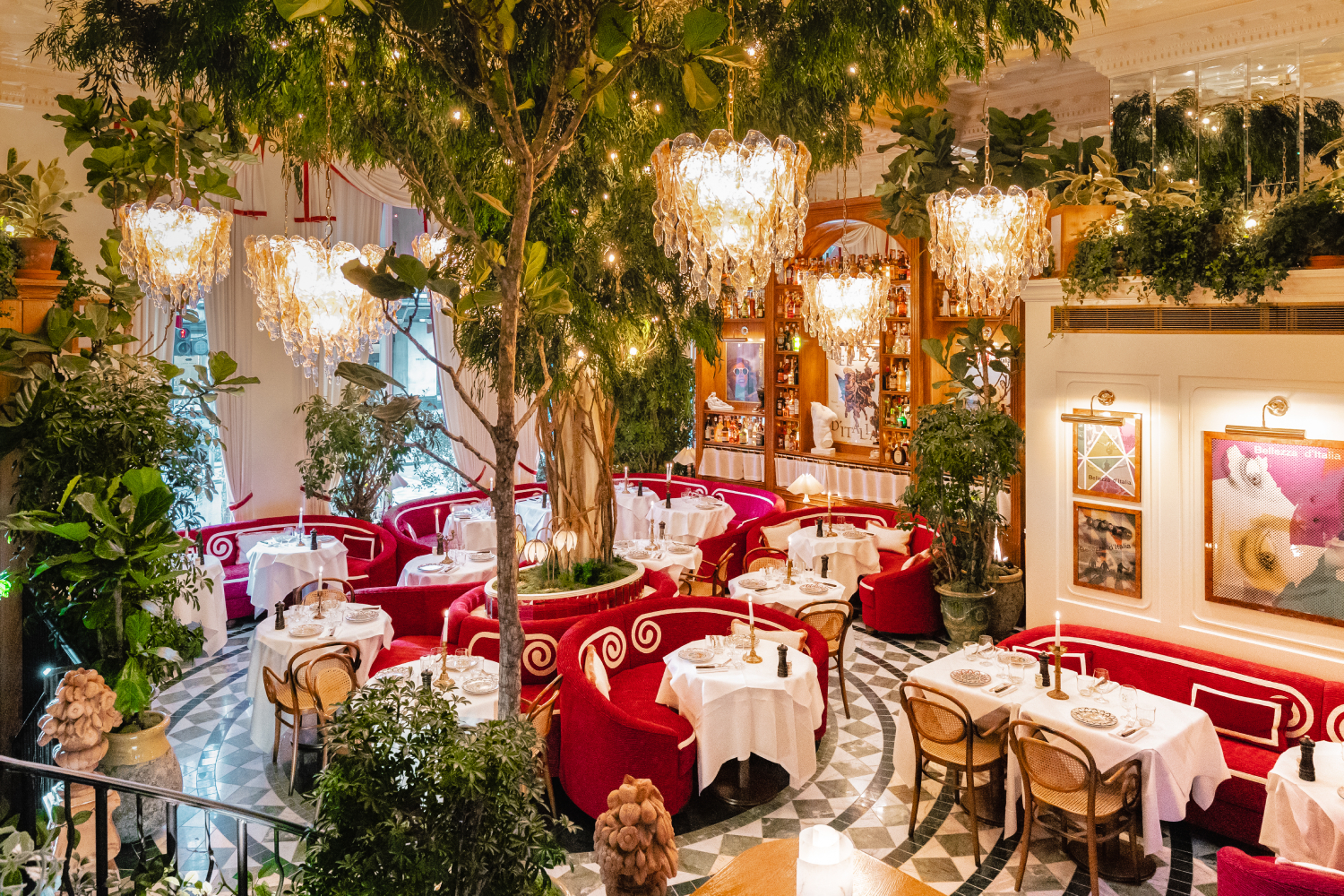
Big Mamma Group’s first West London opening, Jacuzzi is a 170-seat ‘pleasure palace’ on Kensington high street. Designed by the restauranteurs in-house team, Studio Kiki, the Italian restaurant features a palazzo and three floors crammed full of Roman statues and Murano glass ornaments. In the centre of the alabaster-walled dining room, an impressive lemon tree and canopy spreads across a stucco double-height ceiling, embellished with a Murano glass chandelier hanging above a spiraling marble radial floor.
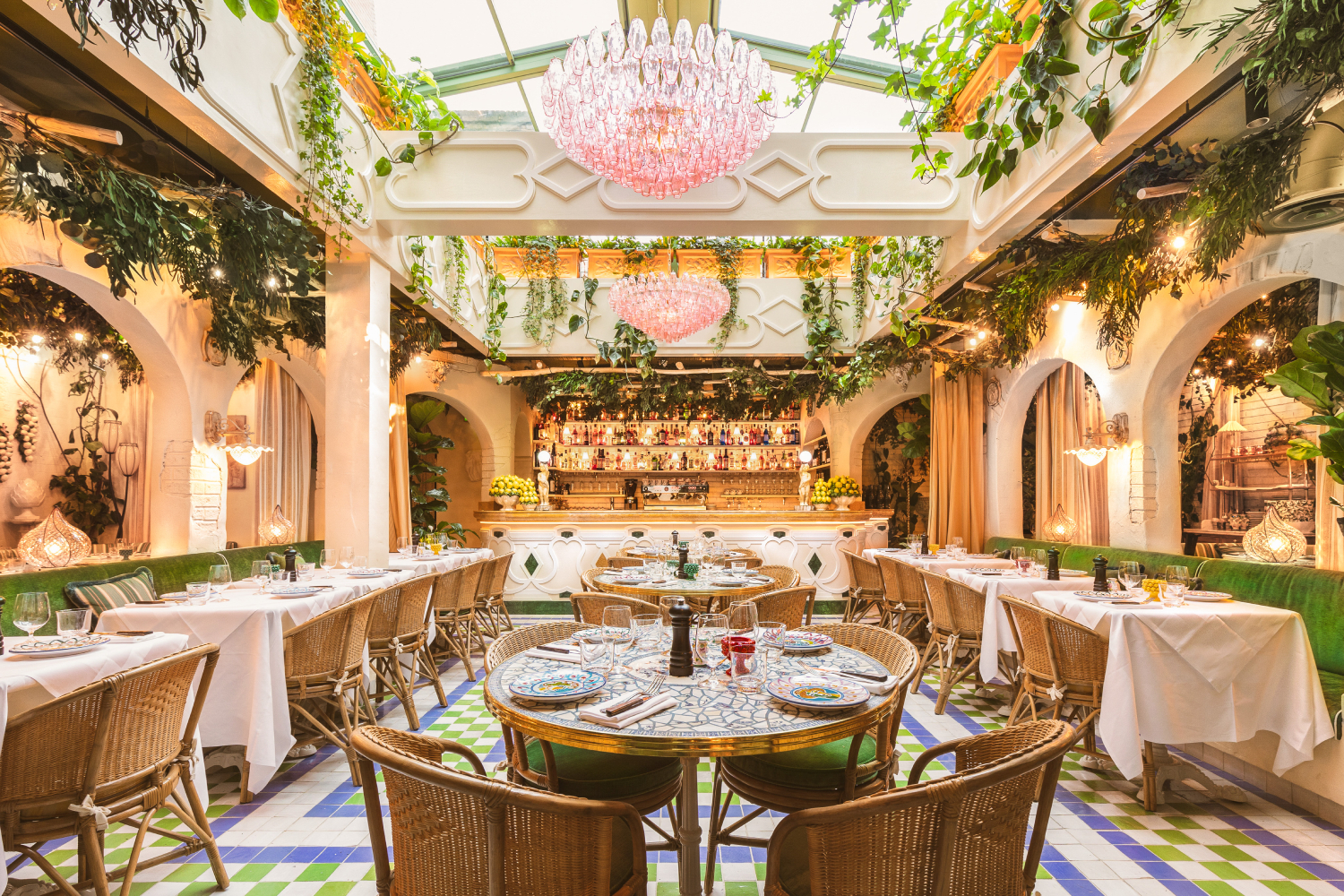
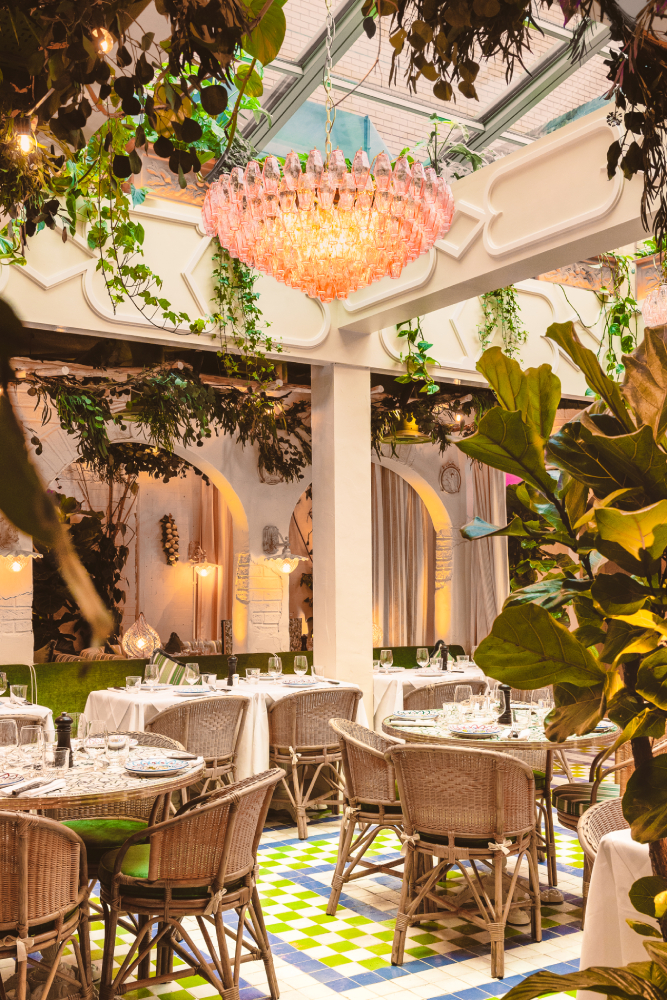
A grand, illuminated staircase leads to Italy’s largest island, Sicily: situated on a mezzanine level, the space has been designed to transport guests to a ‘sunshine terrazza by the sea’. A marble bar sits below a retractable glass ceiling, fitted to flood the room with light. The resemblance to an Italian courtyard is heightened with the scattering of Sicilian pots and verdant greenery such as climbing ivy, surrounding tables tucked away in balcony-style alcoves.
Natural materials and conscious design shine at Radboudumc hospital
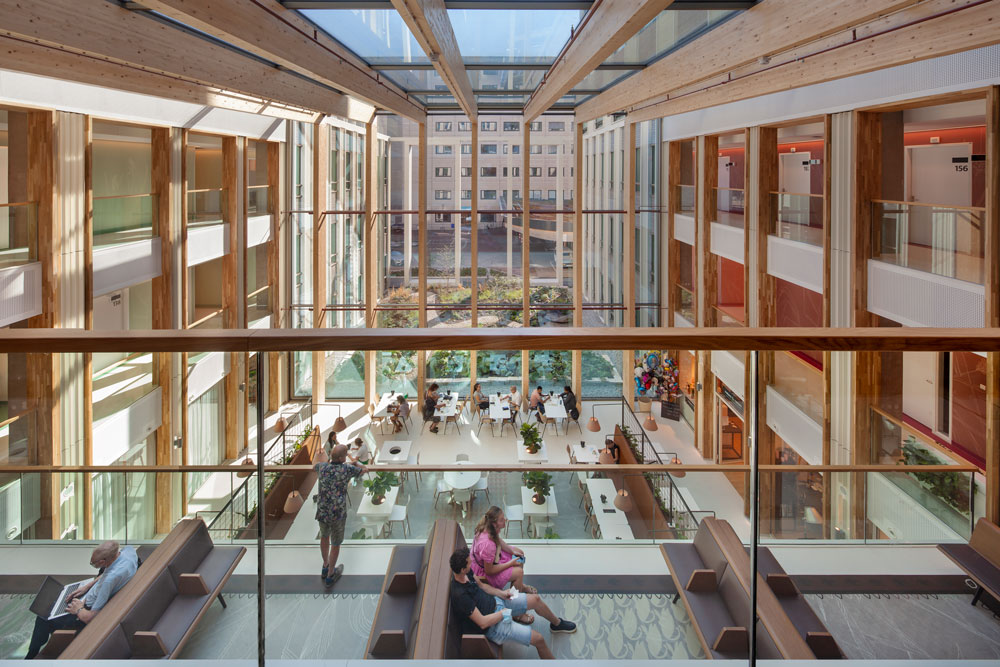
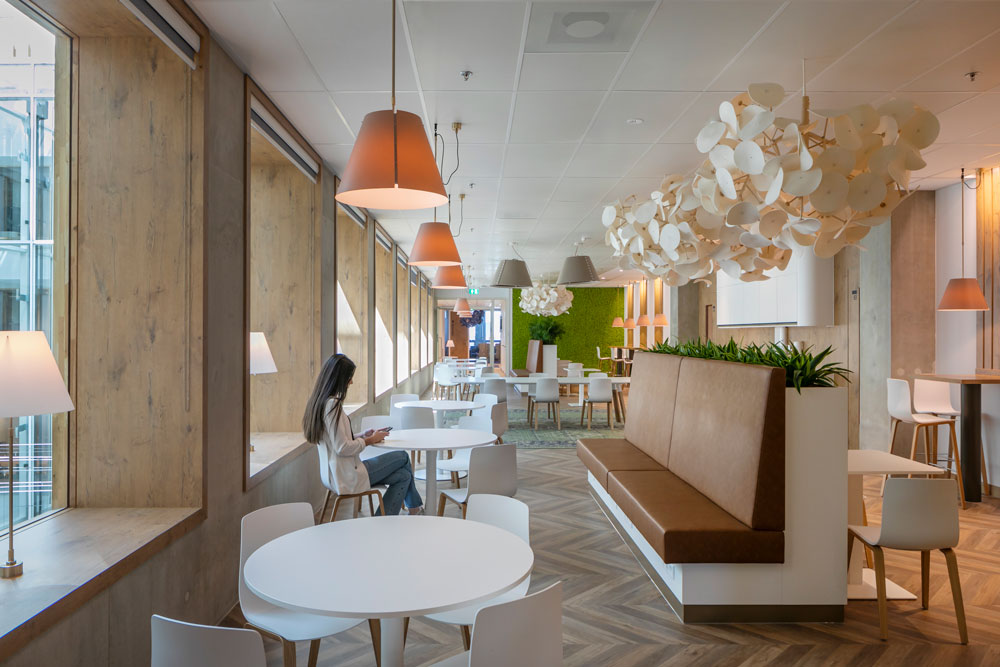
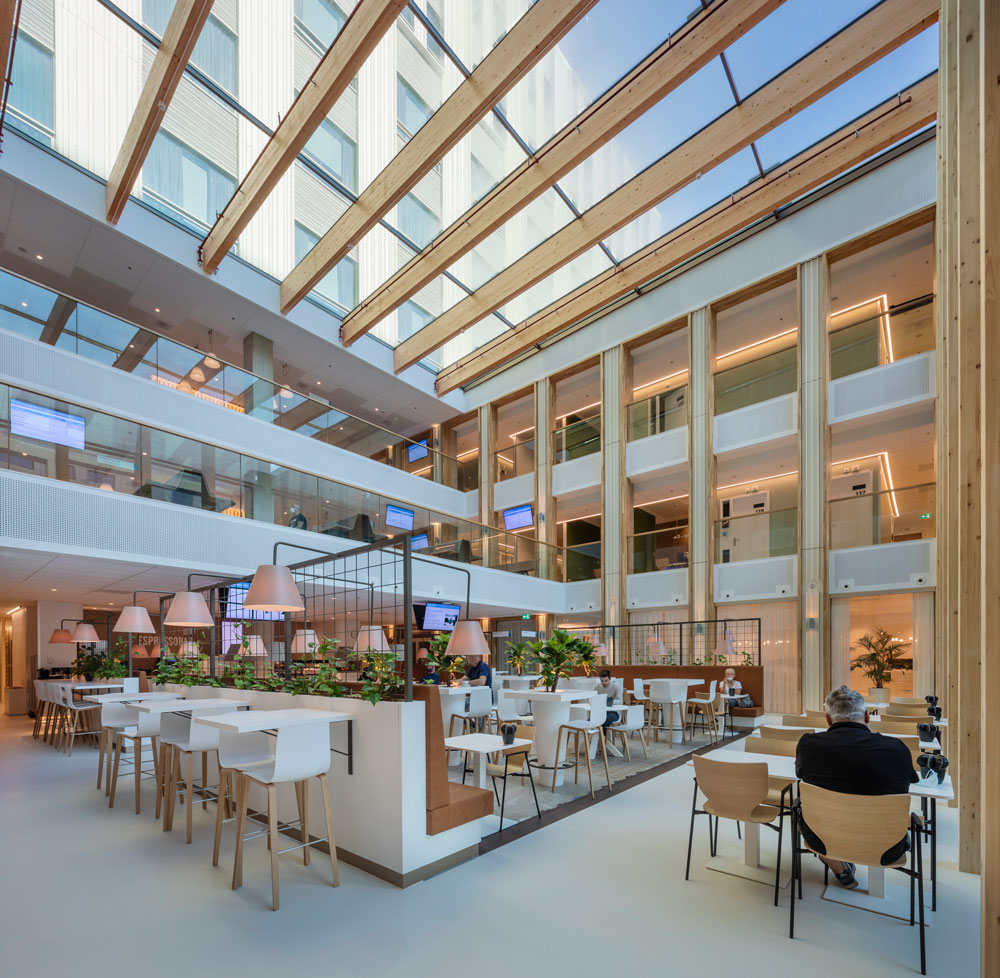
Taking on the full-scale redesign of Radboudumc’s 46,000 sqm main building, Dordrecht-based firm EGM Architects focused intently on the interdependent relationship between nature and human wellbeing. As a result, the architects strove to bring as much of the outdoors into patient rooms and communal spaces as possible.
Recognising the importance of working and recovering in natural light, verdant plants and large windows take centre stage. This is evident in the seven-floor-tall central atrium, where sunlight and views of the courtyard gardens brighten the communal spaces on the ground floor. The reception, restaurant and outpatient clinics sit behind this glass façade that smoothly transitions into a glazed roof offering year-round views of the sky above.
Hawkins\Brown reimagines the student experience at Queen’s University
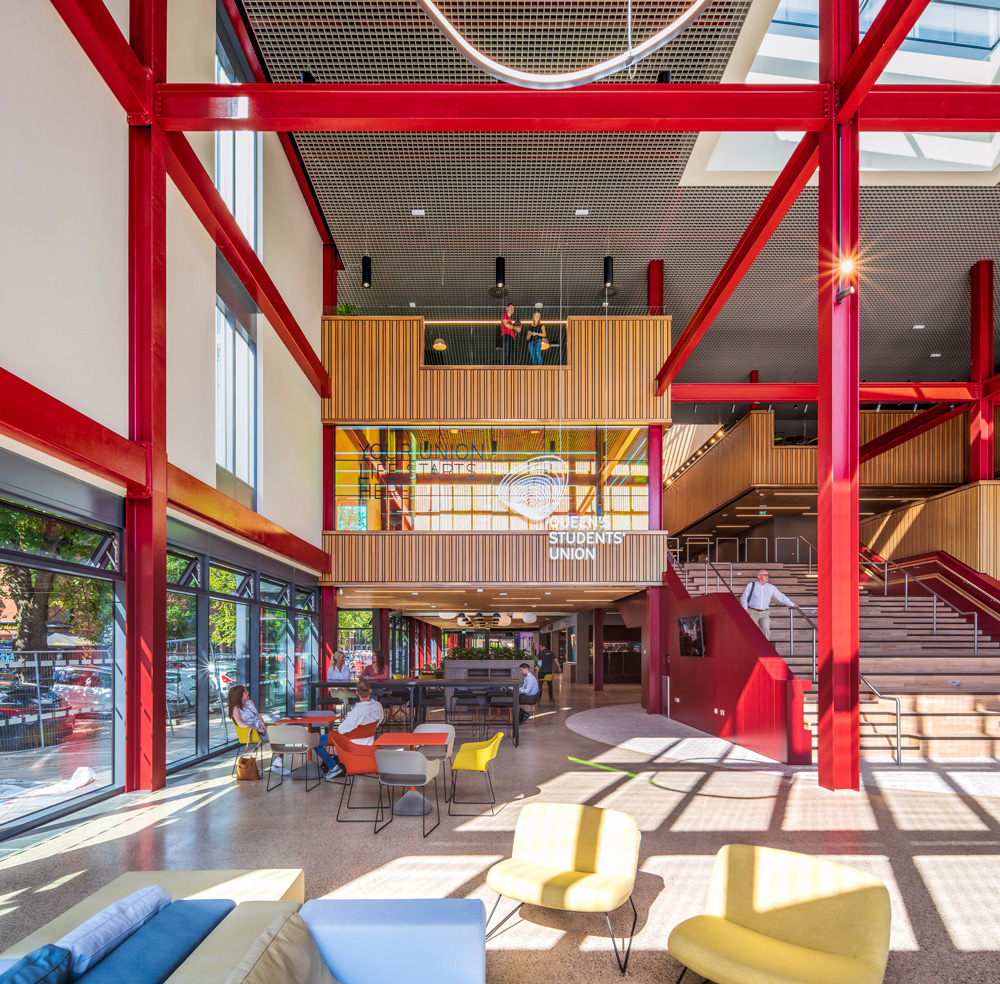
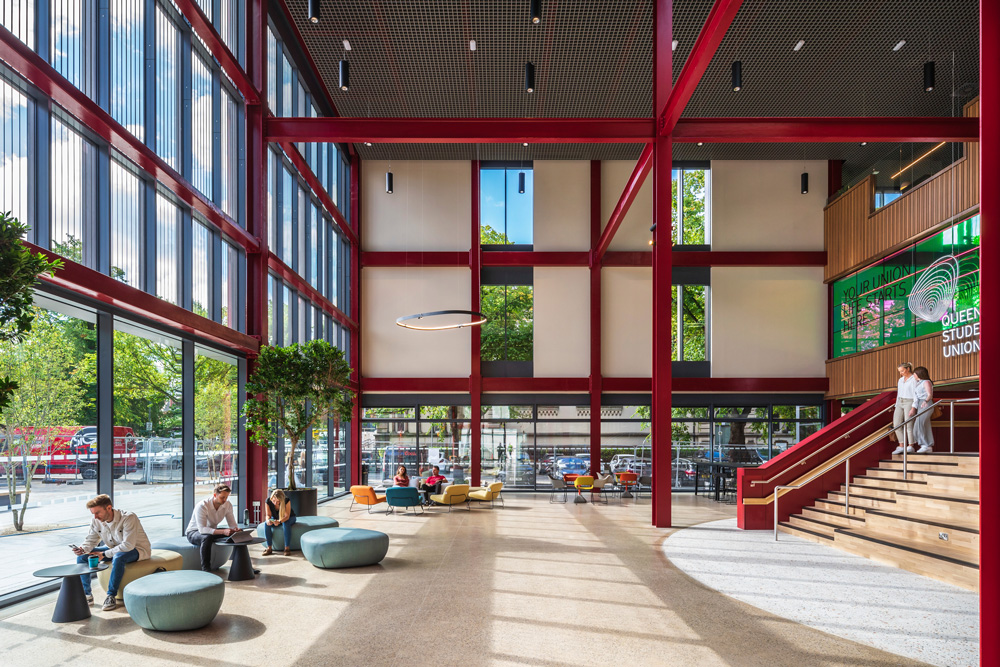
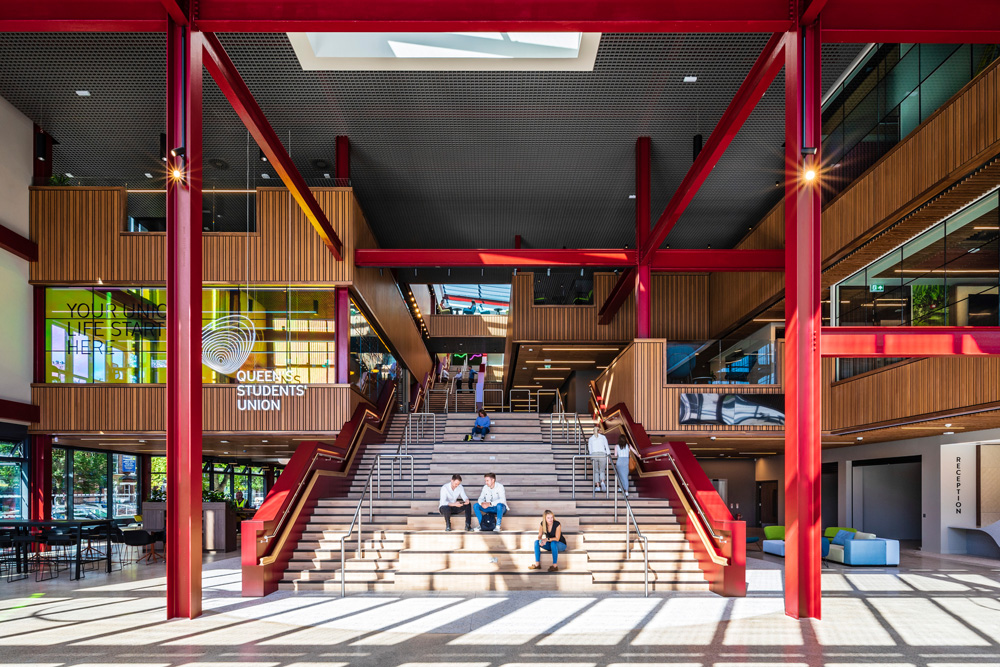
At Belfast’s One Elmwood, Hawkins\Brown considers the marriage of form and function for the next generation and beyond. “Our brief was to create a new heart for the campus, locating the Students’ Union and University Services in one place for the first time,” says Julia Roberts, the practice’s Education and Research Sector Lead.
The practice opted not to compete with the imposing Lanyon building and its manicured lawns, but rather to ‘complement’; devising something that would act as a counterpoint both in style and ideology. On the former, it means a vast, multi-storey glass frontage that looks out to Lanyon while, on the latter, an emphasis on today’s cultural and social mores. A large, flexible, full-height foyer is both an arrival area and a forum to meet and relax, bordered by shops and cafes at ground level. A wide social staircase – which doubles as seating – leads users up and into the building, while suspended walkways and mezzanines are peppered with communal tables and chairs.
Fora celebrates locality at its flexible Cambridge workspace
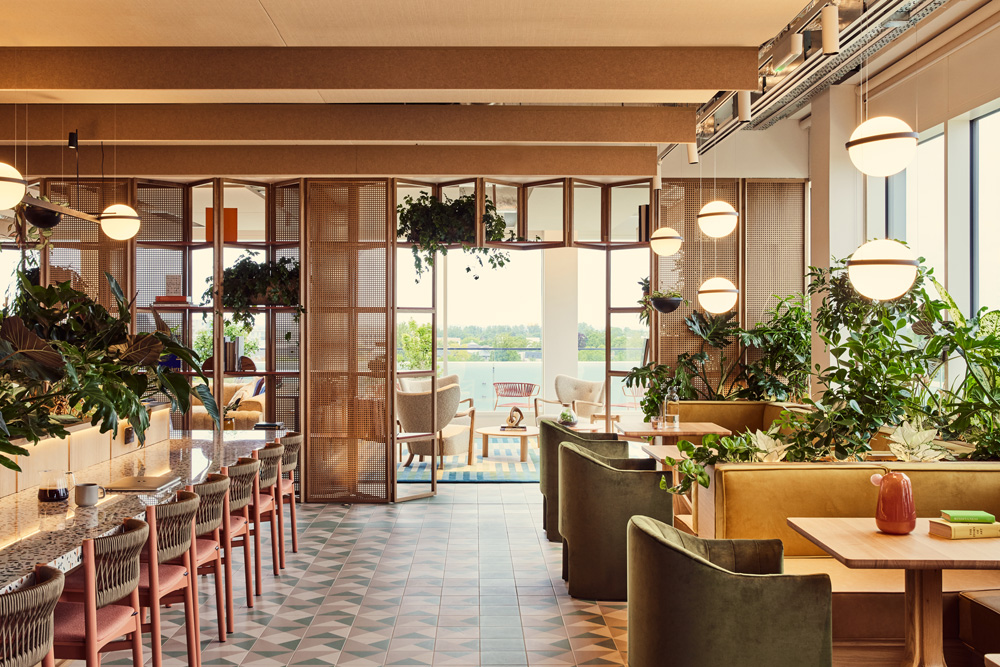
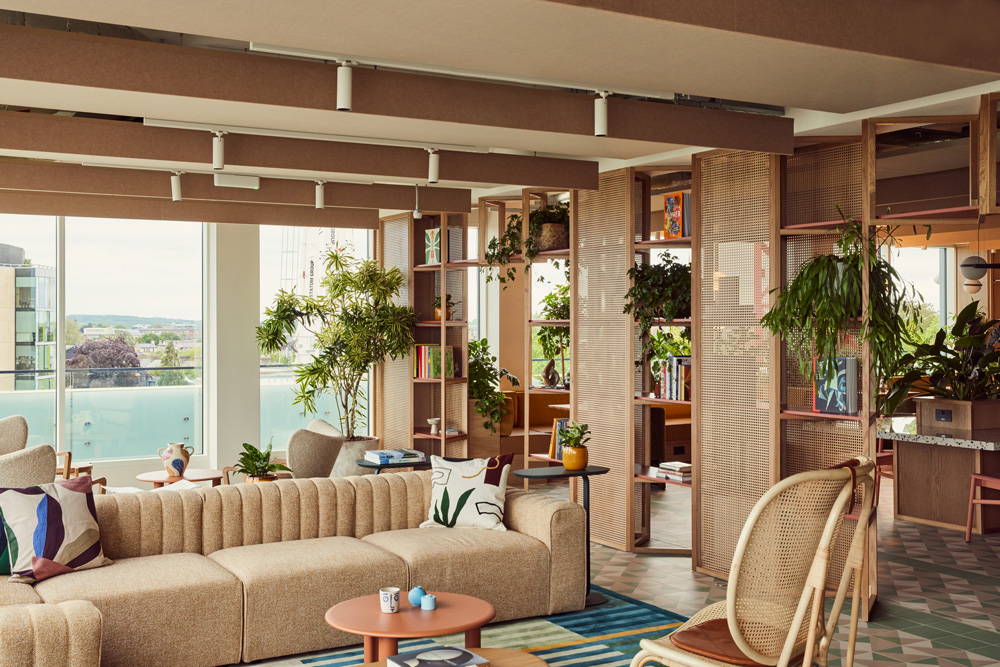
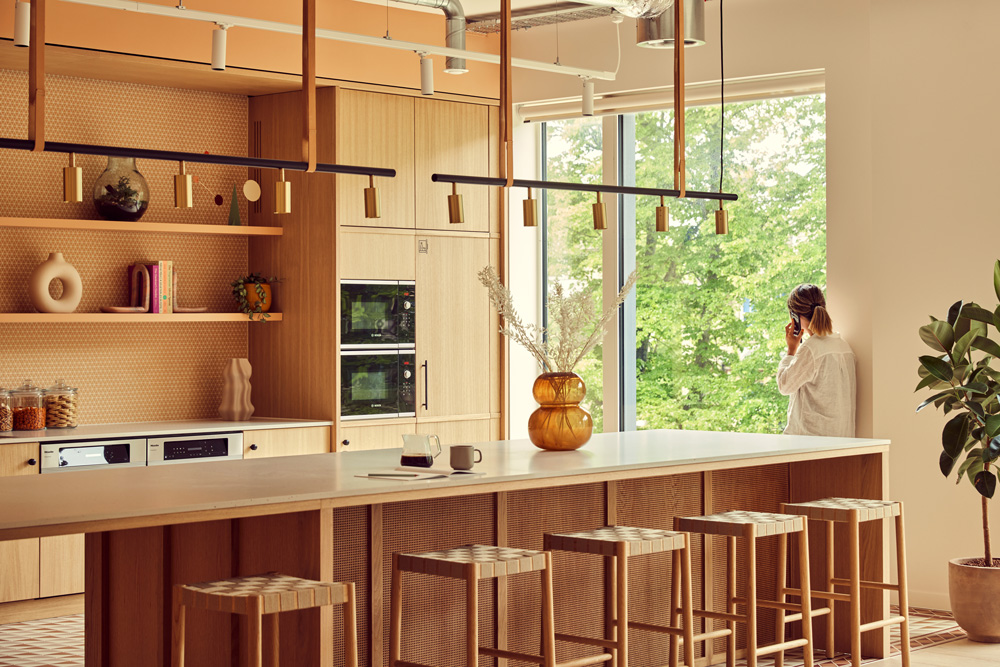
In 2023, Flexible workspace provider Fora opened a six-storey space on Station Road, Cambridge – a leading hub of technological and business innovation home to the likes of Apple, Microsoft, Amazon and Spotify. Designed entirely by Fora’s inhouse team for the first time, the design pays homage to Cambridge’s architectural vernacular and cultural history, with warm sandy tones and natural tactile textiles throughout. On the top floor, a verdant ‘Garden Room’ is inspired by the nearby Cambridge University Botanic Gardens, with an abundance of living plants and pockets of biophilia creating a calming connection to nature.
Outside, a wrap-around terrace offers sweeping views across the city, and a green roof, fitted with bug hotels, encourages biodiversity. With over 80 miles of cycle lanes in the city, nods to the classic woven bike basket include rattan furniture and decorative joinery in the communal spaces, including the folding screen doors used to access the terrace.
Hassell rethinks the future of legal workplace design for Baker McKenzie
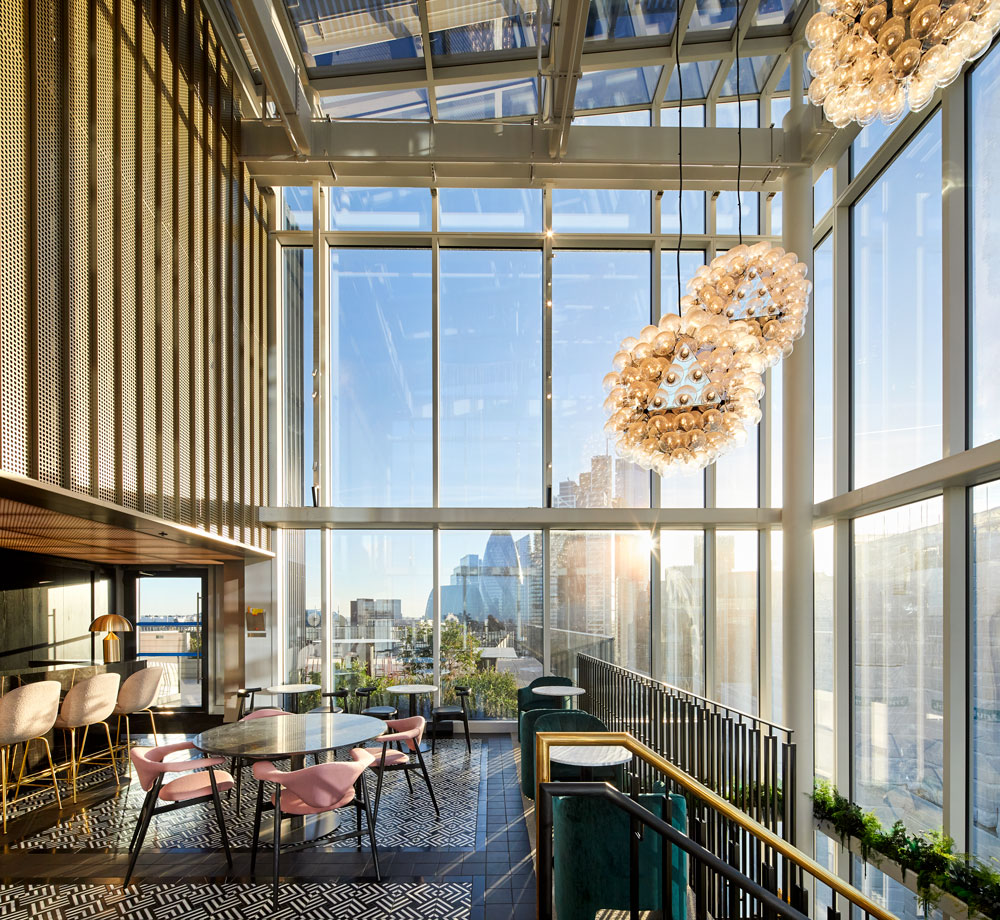
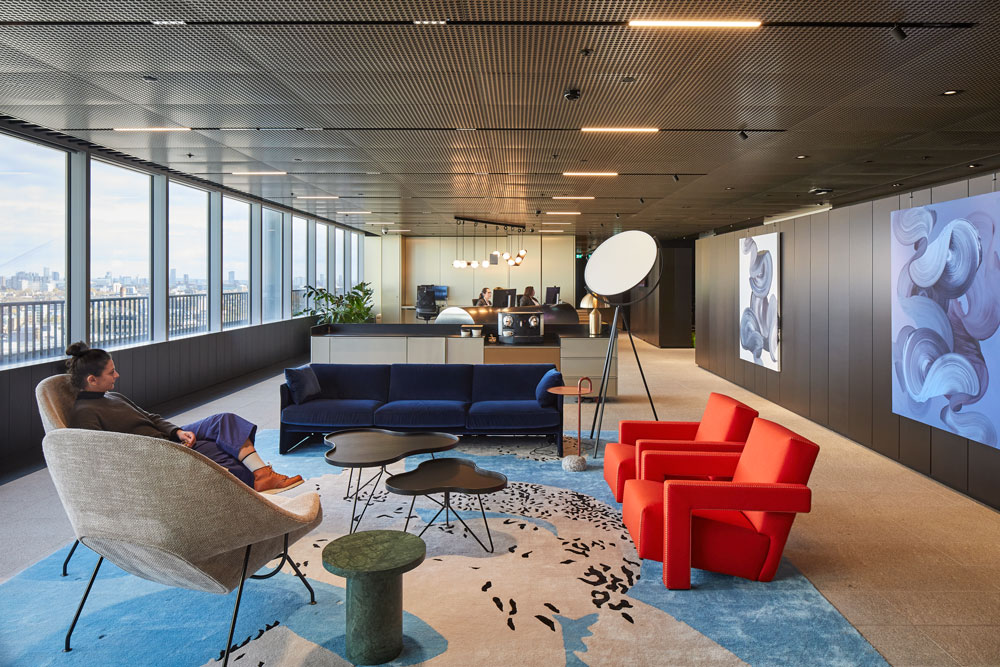
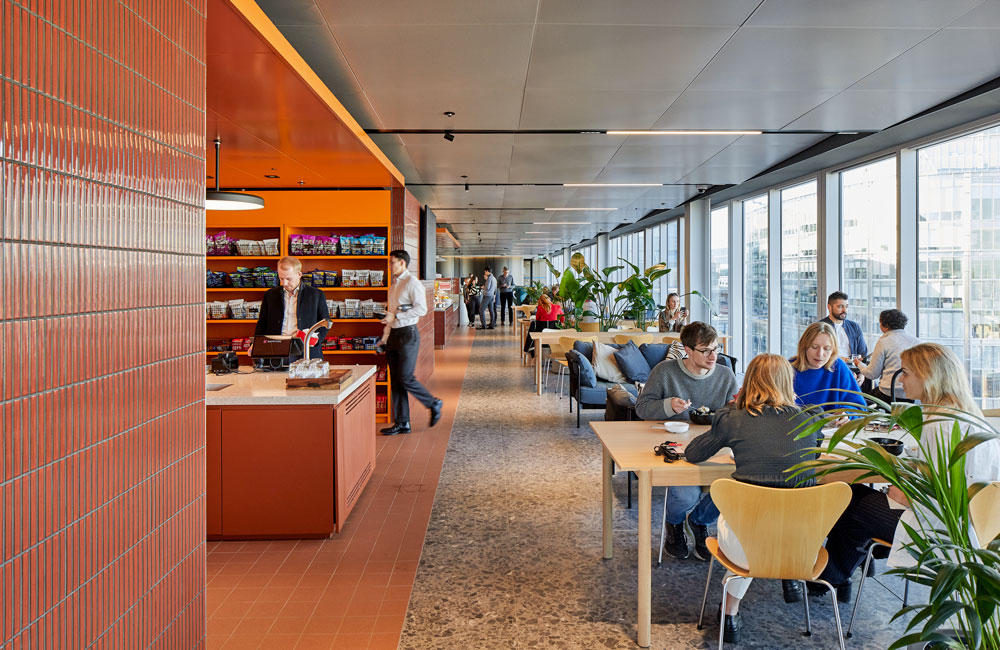
Taking inspiration from the rise of more agile and hybrid working following the pandemic, Hassell sought to challenge the typically formal, traditional approach for legal practices at 280 Bishopsgate, London. The result is a visually striking, employee-led HQ that aptly demonstrates the growing ‘hotelisation’ of the workplace, weaving together fully connected working zones, a rooftop entertainment terrace and biophilic additions like an abundance of natural light and indoor plants.
Responding to staff surveys and a clear desire for more flexibility and collaboration, large central working areas were incorporated on every floor of the building, creating a ‘neighbourhood’-like system to foster inter-team socialisation and better learning opportunities for junior staff. Further blurring the traditional boundaries between client, staff and social spaces, the firm now welcomes clients to meet and work onsite, while dividing walls were made from unfrosted glass to increase the flow of natural light and communication through the building.