Will offices find new purpose in the future of work?
Muriel Altunaga Aguirre, workplace and design specialist and Director at CBRE, tells a refreshingly alternative tale from all those Grimm ‘the office is dead’ stories. So, if you’re sitting comfortably, we’ll begin…
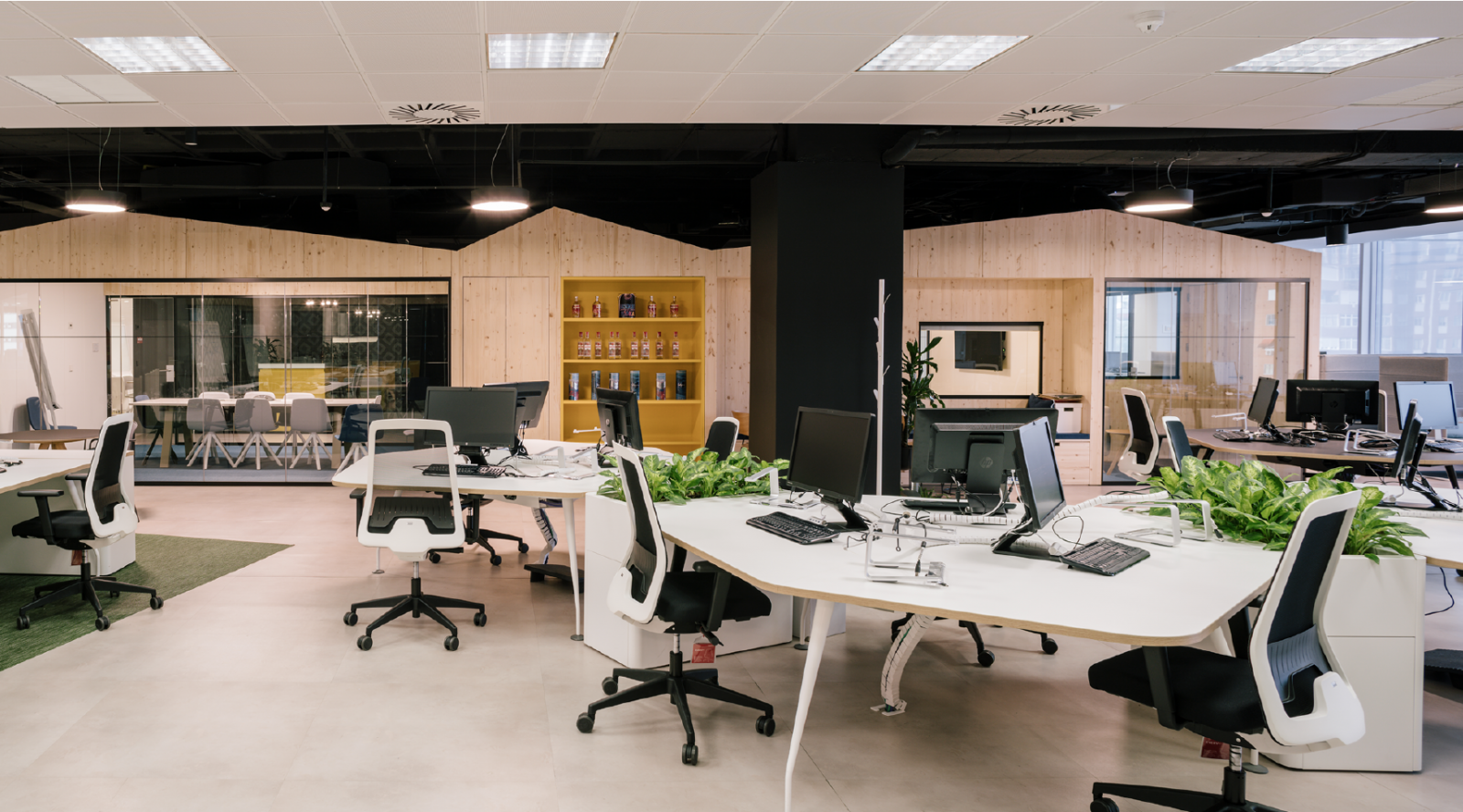
It is a sunny May morning; Elise is cycling to work after dropping her daughter off at school. Today she will be working from the office. Following the COVID-19 outbreak, her typical week is now a combination of days working from home and days working at the office. Elise doesn’t have a strict calendar, but usually Thursdays and Tuesdays are days for her team gatherings. Those are days focused on meetings, onboarding training, and mingling with colleagues.
Elise’s routine feels normal – and many of her friends and colleagues organise their weeks in similar ways. The office days are for exercising, dressing up and meeting colleagues face-to-face. The days at home leave more time to pick up kids from school and for focused work.
As Elise is approaching the city centre, she remembers the year she spent working from home, in and out of lockdown. She remembers the discussions about office purpose and the understanding that companies might not need an office anymore. Back then, the conversation moved from the financial opportunities for companies in reducing their portfolio, thereby cutting costs, to the risks of increased employee loneliness, team disconnection, disengagement, and poor onboarding. She remembers, once the lockdown was released, how the first small group of people started to come back to the office. The number grew steadily, increasing the office occupation up to today’s regular hybrid weeks. She felt proud of the transformation her company, her team and her management went through; and the positive outcomes, which enabled them to embrace this new normal.
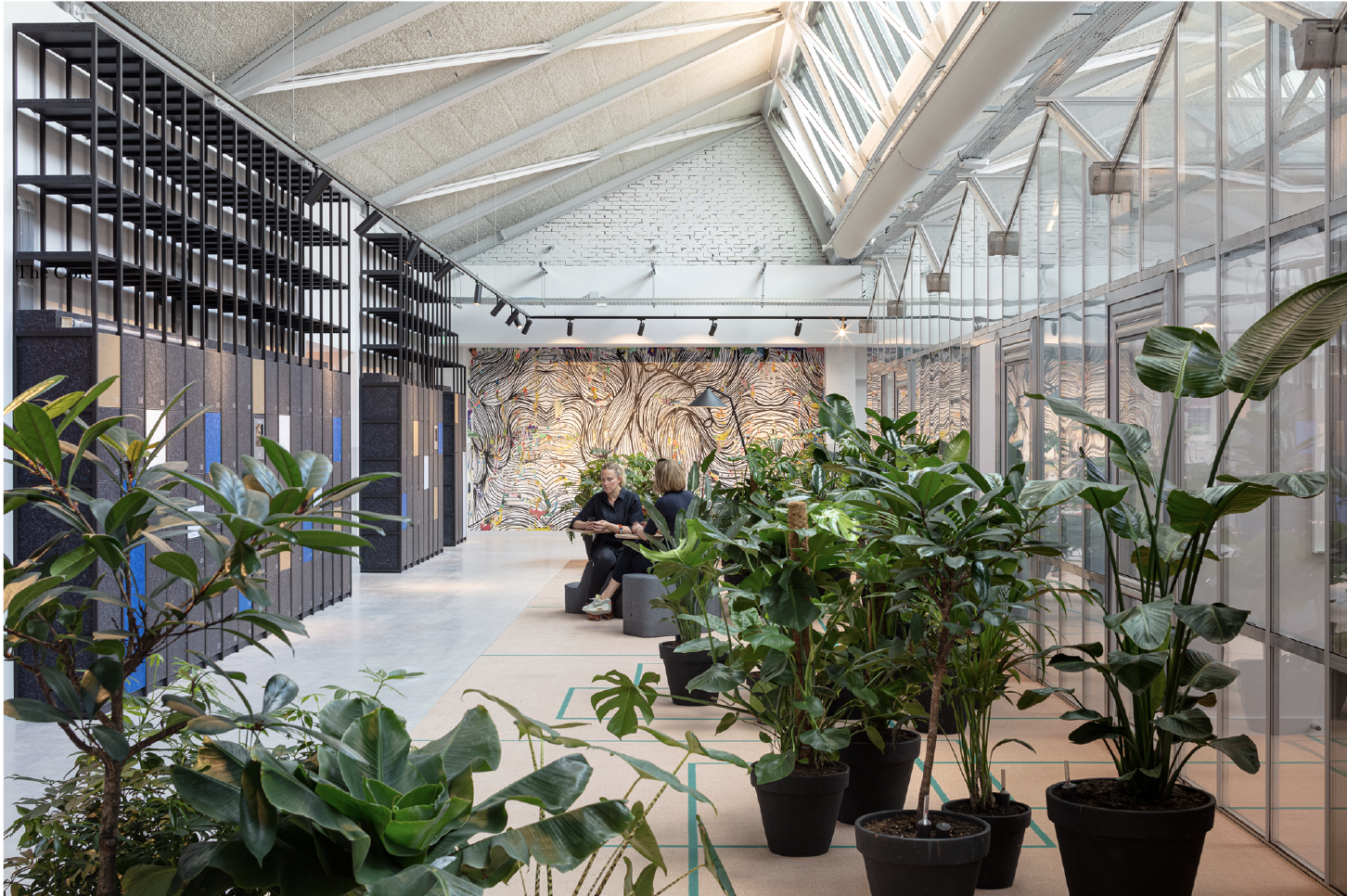
One of the key aspects of the change was the office space. Once coming to the office became optional, the office became one the alternatives employees might have. Suddenly, the office concept and design had to ‘earn’ the right to be occupied. Enjoying the office space advantages turned out to be one of the reasons for employees to commute to the office.
Elise’s management understood the opportunities and challenges of the new workplace arrangement. The goal for the designers was to accommodate the users’ needs in a way in which the office turned out to be a preferred option for employees and clients to come together. It was clear that there was no going back to the old 9-to-5 culture.
Elise remembers a visioning session with the designers, where they agreed on the priorities and clearly defined the new office environment goals. The designers, workplace strategists and user teams worked together to forecast the expected occupation and activities. In other words, the amount and type of space that would be needed.
Elise recalls, with a smile, the debate about the ‘soft features’; namely, the characteristics that would make a tailor-made solution for the teams, drafted in words that needed to be translated into design concepts. Elise’s team worked on brainstorming ideas and agreed on six key attributes:
1. Understanding the user’s journey
Considering that, as different employees would visit the office a couple of days per week, the space had to be easy to understand. The team defined a day in the life of different personas, and this shaped the way the office was organised.
2. Environmental compromise
Elise’s company agreed to become net-zero carbon back in 2018. The team agreed on incorporating a corporate sustainability agenda in the design – imprinting environmental awareness through the choice of materials, design and furniture.
3. Wellbeing
Published research shows how the quality of space, light, access to outside views, good acoustics and opportunity to exercise has an impact on an employee’s ability to focus and perform better at work.
Once colleagues were entitled to work either from home or from the office, the wellbeing programme was expected to be instrumental in making it more attractive to spend quality time in the building.
Elise smiles again, she has a yoga class today with her colleagues at the office, which is an excellent opportunity to recharge and have some downtime between meetings.
4. Flexibility
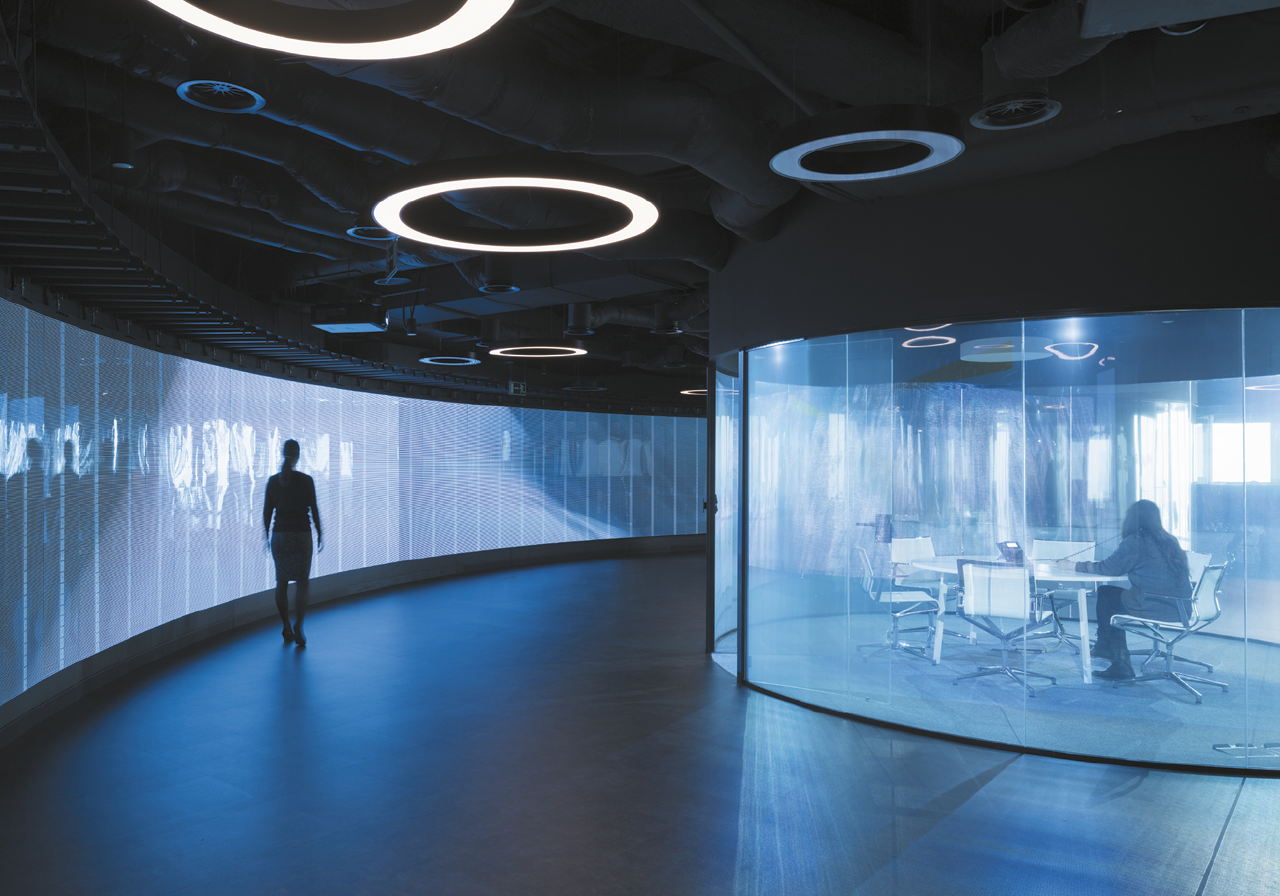
It was clear that the office space should be ‘fit for purpose’ for a variety of activities and different occupations. Elise’s team’s discussion went deep into the purpose of the office space. They agreed on creating flexible solutions – combining small meeting rooms and large gatherings areas, to accommodate colleagues visiting from other offices and onboarding training. The most practical approach for an office design to last was to define several uses per space and make them easy to rearrange.
5. Branding
During the workshop Elise confessed: ‘Our office could belong to any company; it is a dull neutral vanilla.’ The scope was agreed: to create a story that would strike a chord with the team and give a clear identity to the office. They wanted a unique immersive environment for people, which felt and breathed the company brand.
The company’s history started deep in mechanical production. The technology evolution transformed large, oiled machines into spotless robots – and transformed blue collar workers into highly specialised software programmers. Elise’s team agreed that the office would pay tribute to the company’s history by applying an industrial look and feel.
6. Identity and diversity
Elise’s company had a long-standing diversity and inclusion programme. The challenge was to bring the ambitions to life through the design. Elise invited a group of employees to a co-creation session.
They shared the design proposals and went through the specific needs. Discussing aspects such as toilets, coffee break areas and multi-faith rooms, they agreed on the core aspects of inclusive office considerations.
It is the end of the day now, and Elise’s journey was great. The day went between meetings and co-creation sessions with her team. However, she had time to finish a report in a nice private space and keep her stress levels low by attending a yoga class.
The end of Elise’s schedule for the day is meeting Nathalie. She’s an old friend, a very talented professional, who was top of her class back at university – Nathalie would be a great catch for the new product development team. Elise has been chasing her for a while, and today she has convinced Nathalie to walk around the new office before evening drinks. ‘I don’t know what’s going on here,’ said Nathalie with a bright smile, ‘but I like this vibe – actually, I could see myself working here.’
Images courtesy of CBRE