When it comes to designing for women, what are we getting wrong?
Author, coach and consultant Kate Usher addresses workplace disparities and gender-inclusive design.
The 8th of March is globally recognised as International Women’s Day (IWD), a moment to recognise women’s accomplishments – while also shedding light on gender-based prejudice, stereotypes and discrimination in an aim to drive change through collective action. So, when it comes to how design is responding to the needs of women, what are we getting wrong – and how can we enact change? We sit down with with Kate Usher, a passionate advocate for menopause awareness and gender inclusivity, about the current missteps, simple victories and systemic changes needed to create inclusive environments.
When it comes to designing spaces for women, what are we getting wrong?
Safety is always a starting point for cities, women have to constantly assess whether they feel safe or unsafe and make decisions based on how they feel and what’s going on around them. I have turned down jobs because the journey to and from the tube felt unsafe, especially at night.
When it comes to workspaces, many women would like more autonomy that incorporates the difference in their frame and biology. Temperature being an obvious one, the current accepted standard created by a group of blokes in the 70s, has no scientific grounding that I’m aware of. It is a preference that has become the norm. As far as furniture and design is concerned, most issues arise because women are not considered. Most women are shorter (the average height of a woman in the UK is 5ft 3in) and frequently many of us wear skirts of some description, and so the height and depth of furniture must always be a consideration. Navigating furniture when you are smaller and wearing a skirt poses all manner of pant revealing issues. Assuming we will wear trousers isn’t the solution – if you have to clamber on and off something or perch, forget it. This undermines women and exposes them to being ridiculed.
A space designed with women in mind would not look too dissimilar to most, but it’s likely to be organised differently. For instance, women need private spaces for things like changing clothes – especially during menopause. Numerous symptoms mean that women may need to change at some point in the day. Having to walk across the office from the toilets to the lockers and back again can be excruciatingly embarrassing, especially in male dominant work environments. To be clear – this is not vanity, but necessity.
Workplace design is an investment that most organisations now recognise is essential. There is now an accepted need for ergonomic seating that looks beautiful, sit/stand desks, colour, lighting, sound attenuation and an awareness of the importance of natural light and biophilia, which will benefit everyone, not only women.
Many women would like more autonomy that incorporates the difference in their frame and biology
Who is adapting spaces effectively? Are women in the driving seat here?
I have been lucky enough to see many workplaces. The ones that work best focus on inclusivity and invest in finishes. We should always ask whether everyone would feel comfortable in a space. I can’t say there was one space that does it all, but Sky Central still stands out as exceptional – both the lead workplace designers were women and were obsessed with the detail.
Outside of physical design, what are some of the challenges women in design, women in work and women in leadership are still facing?
In short, women are still being talked over and their contributions ignored. They are over mentored and under sponsored and all too frequently passed over for promotion. We are caught in a bind of historic gender-based behavioural expectations that we must navigate every day. Lastly, the gender pay gap is alive and kicking, baked in from the early years of our career and compounded as we move up the ladder. There is so much we need to change.
How can we achieve this much needed change?
Recognise and value what women bring to the workplace. We are not men in skirts, we are different. This is a good thing. There is considerable evidence that shows where women hold leadership roles, they create diverse teams and inclusive cultures, that outperform those where there is a male monoculture.
Promoting women is not about reluctant tokenism, it is based on a programme of training, mentoring and sponsorship with the aim of bringing brilliant women up through the talent pipeline and into the senior leadership team.
Organisations must address the way their people behave and talk to each other. While this might seem complex, it’s not, but it does require consistency and continuity with no exclusions. Creating an inclusive culture takes thought but the rewards are diverse, high performing teams that drive resilience, creativity and success. It’s what every business wants, and the answer is staring them in the face.
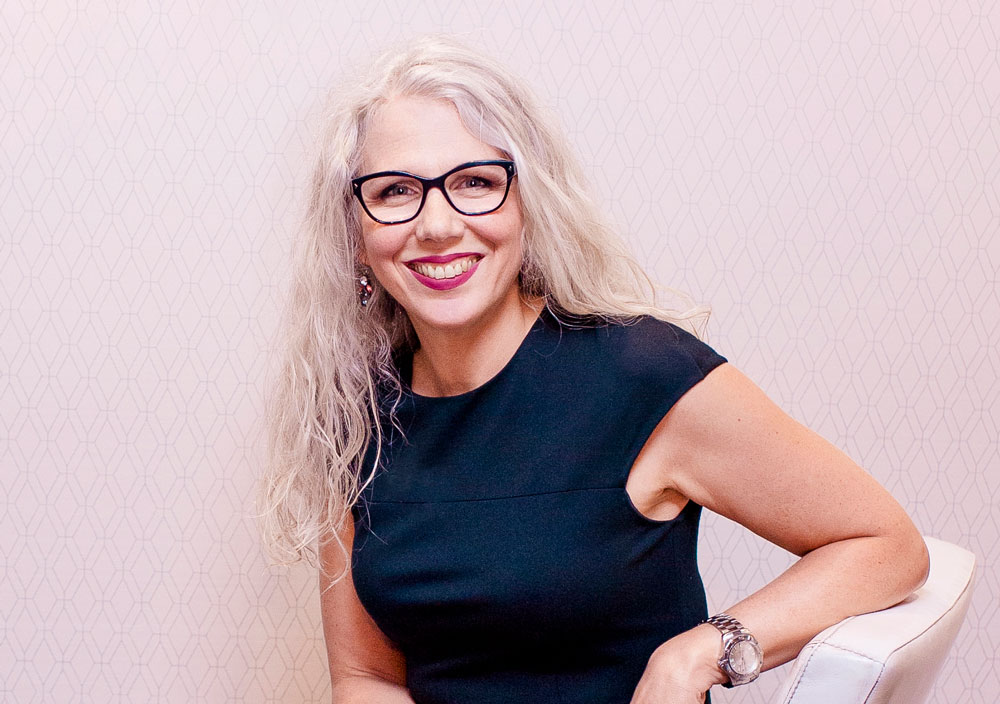
Kate Usher is an experienced coach and consultant specialising in working with organisations that want to take a proactive approach in supporting their people with and through menopause. They recognise and value the benefits women bring, alongside the need to recruit, invest in and retain brilliant employees. Usher lives in London and works with businesses across the UK, Europe and North America. menopauseinbusiness.com