The commute: an excellent case for coworking
Many companies are now repositioning themselves to accept a much higher level of agile working and are looking to adjust portfolios accordingly. What could this mean for the coworking sites that grew like mushrooms across our cities over the last few years, asks Criteo’s Mike Walley.
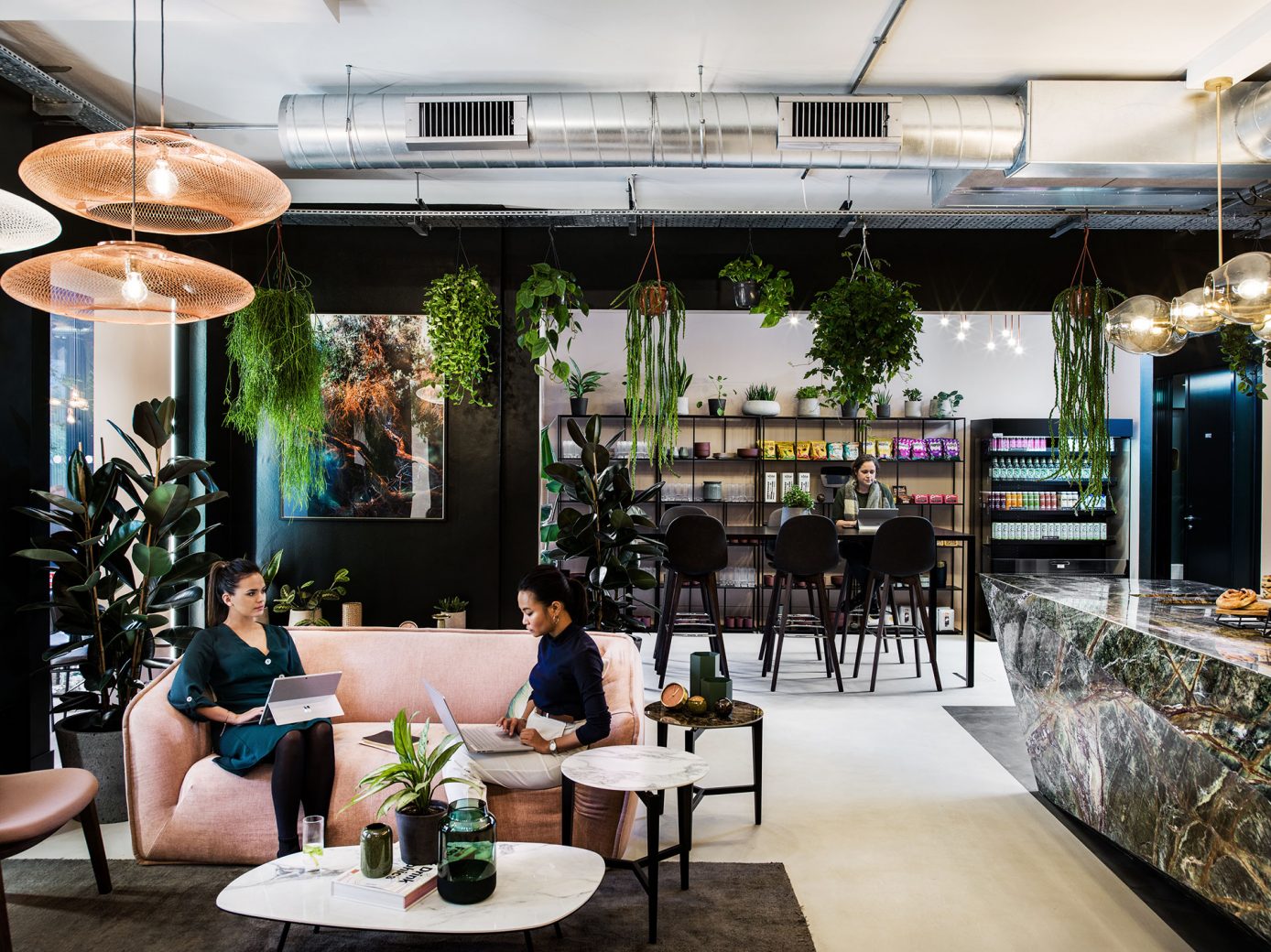 Uncommon, Fulham
The ramifications of the pandemic continue to ripple through the entire world of work – from landlords to coffee shops and everything else that was touched by the regular presence of people in the workplace.
As agile working increases, it could be logical to assume that the demand for coworking space will increase, but what if that demand is in all the wrong places? It is estimated that flexible workspace operators currently occupy around 13 million sq ft of space across central London. That’s enough for 140,000 people, at a reasonably conservative estimate, but how many of those customers are in London, and if not, how many are willing to come into London to use a coworking site?
I foresee a new demand growing from those of us who didn’t previously use this kind of space, but now want somewhere we can occasionally drop in to for a few hours as a change of scenery. I was pondering this as I spent another day in my spare room/office juggling Zoom calls. I suddenly realised that a coworking site is just what I needed, only… not in London.
If I could wander down to my local WeWork/Regus/Labs (delete as required) for a morning of honest toil in somewhere that isn’t my spare room, I’d be off down the road like a shot!
I suddenly realised that a coworking site is just what I needed, only… not in London.
Human company, café latte, that little buzz of background noise that is so conducive to thought…it all sounds perfect. What I don’t want to do is a full-on commute in a crowded and expensive train or Tube just to get a morning’s respite from the dog whining about going for a walk.
Having read in the business press of the trials and tribulations that the big players in this sector are going through, it’s hard to see how they will be able to pivot to a new suburban and rural model. Both WeWork and Regus are trying hard to re-engineer their portfolios to stop the huge outflow of cash that rents in the city demand. This could well be a niche that is open to a fast-moving company ready to take advantage of the current changes in business needs.
The pricing will need to be right, of course. The current membership model will need to be augmented by a walk-in price that is within what I refer to as the ‘oh go on then!’ range. Just enough to make us concentrate when there, but not so high as to make us think twice before going.
Ultimately, I believe the future of the office has changed beyond all recognition and will become somewhere we go only occasionally. So…we need some options in the suburbs and rural towns where all those ex-commuters live.
This is partly a thought-provoking piece about the future of the coworking sector, and partly a plea for somewhere else to work occasionally as the dog is driving me mad!
Mike Walley is Senior Director of Global Real Estate & Workplace Strategy at Criteo.