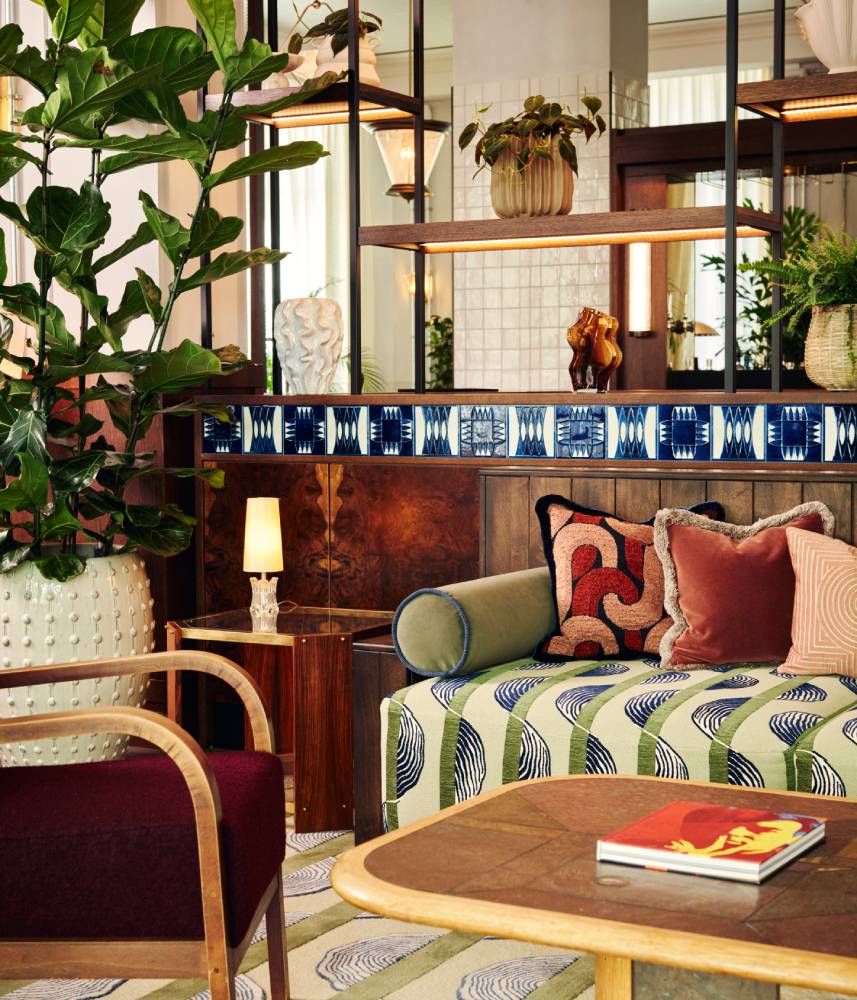
Things I’ve Learnt: Justine Fox, Studio Justine Fox
In our recurring series, we highlight the most valuable lessons learnt from a life in industry.
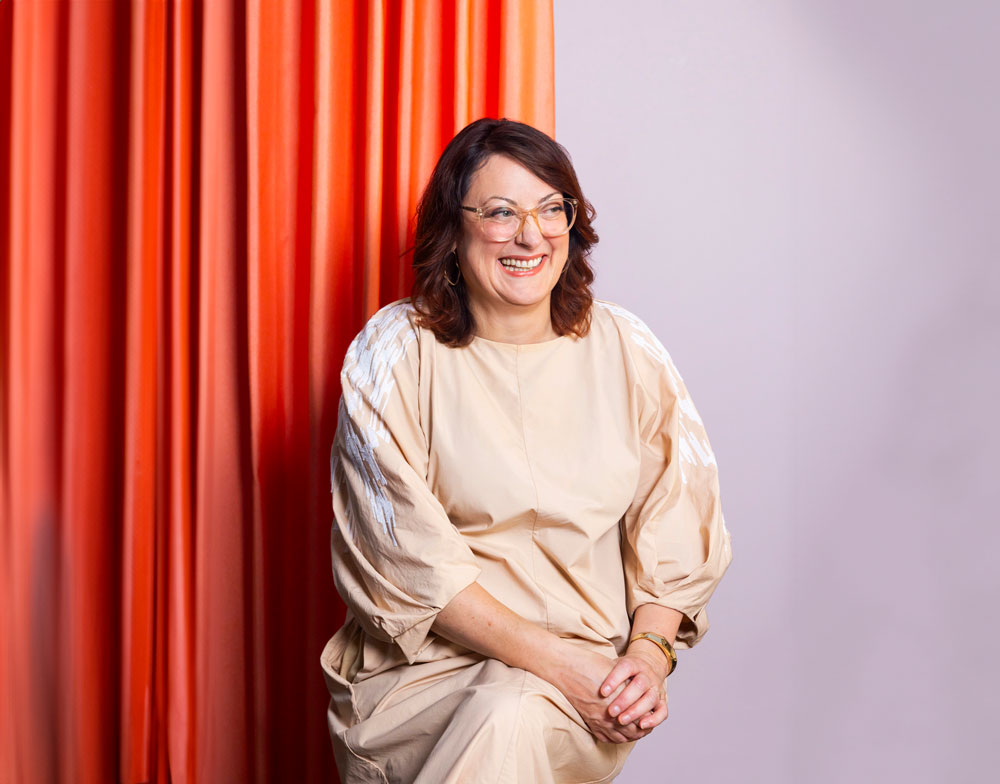
Studio Justine Fox is a specialist colour consultancy using unique psychological and commercial insights to maximise the opportunities of colour to affect and support transformation. Founder Justine Fox is a thought leader in colour, expert in applied colour psychology, colour insights and colour ergonomics. The studio works with brands and built environment practitioners on bespoke colour initiatives, including research and development, spatial wellbeing, identity, community engagement, talks and workshops.
The studio’s driving philosophy is that the power of colour goes beyond aesthetics and should be explored for its ability not just to enhance, but to add sustainable value and impact to people and places.
Don’t be afraid that people will laugh at your ideas.
The colour industry is wide-reaching, particularly across industries where it’s the differential to a sale. Automotive, product design and fashion have an established understanding of its value so invest significantly in research and development. It can be daunting to approach a new industry sector like the built environment with a ‘soft’ subject like colour and make the case for it being used more purposefully outside of its aesthetic qualities. I’ve learnt to be more tenacious, immersed myself in this space and its language to connect with those architects and designers ready to work more collaboratively.
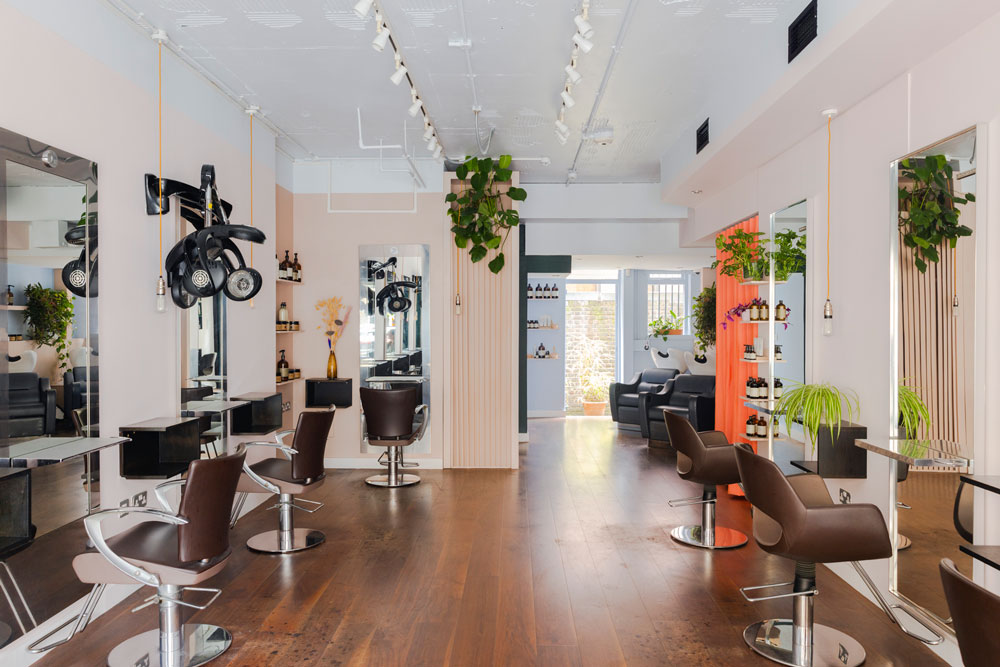 Natural Colour Works Salon
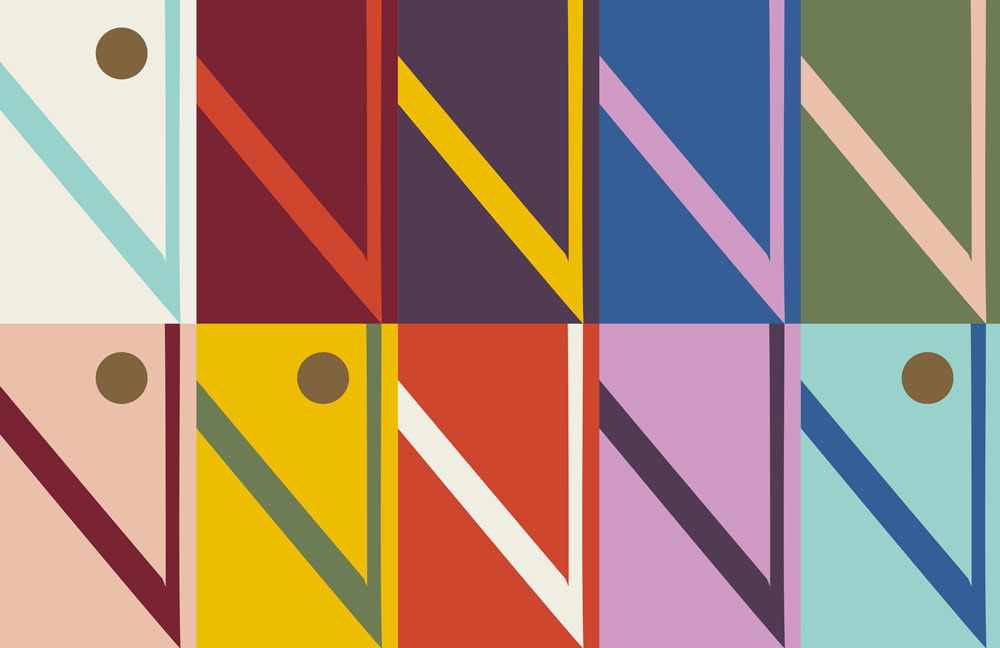 New Practice Newark – Creative Placemaking Commission
 Friary Park – Rebecca Heald x Mount Anvil
Ask questions and be open minded.
The most successful projects have always been those where there’s been a real connection. We can’t know everything, especially about the lived experience of a community be it workplace, hospitality, education, healthcare or public realm. To design a colour strategy that will actually make a difference, we need to understand their perspective, not just the corporate line – workshops are a brilliant distraction, when we’re engaged in something creative, we tend to reveal more of our true feelings in the conversation.
Find your people.
I’ve been privileged to have met amazing people through my career, iconic visionaries, creative legends and inspiring graduates. I’ve learnt so much from each and every one of them, but however much you might personally like someone, it doesn’t mean that you work well together. I feel that people who have similar values and ambitions embedded into their practice, even if they’re from different disciplines, make the project process more aligned and fun, opening possibilities for better outcomes.
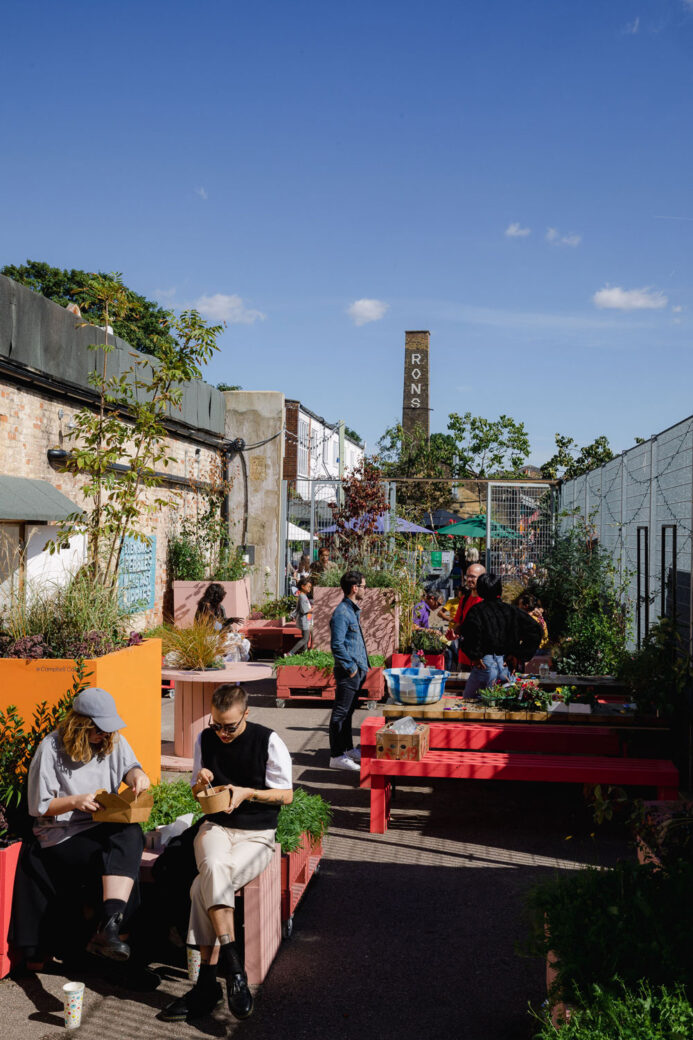 Holdrons Green
There is so much to do right here.
I’ve been in the colour industry for 19 years and hate to think how many air miles I’ve racked up in face-to-face meetings with global clients. I try to be ‘mission vital’ when thinking about that now and much of my overseas client relationships are either online or grouped with another event. There are also huge opportunities to add social value and support progressive ways of designing our spaces just within a train ride too.
Focus on the objective.
There is so much incredible technical development and behavioural research in colour and materials that it’s tempting to bring everything you’ve discovered into a project, but you need to filter for each specific situation. There is no ‘one size fits all’ magic colour strategy. I always start by asking what we’re looking to achieve and what are parameters and build the plan from there. Nothing should be in the spatial palette that that doesn’t have a purpose in supporting and shaping the experience.