The post-pandemic future of furniture
The pandemic has made it very clear that agility and rapid adaption to new situations and new needs are key if you want to be part of the future, says Christian Grosen Rasmussen, Chief Design Officer at Vitra.
 Studio Hurlemann
 Christian Grosen Rasmussen
When facing a crisis like the pandemic, it makes you reflect on how you live, how you work and how you consume. I believe that in a post-pandemic market we will see customers – private as well as professional – who are much more aware of their choices.
Navigating a new reality is complex and the manufacturers have an important task in helping the consumers make the right choices. It’s about being credible, collaborative, sharing and acting as a sparring partner and guide rather than just developing a product.
Many questions arise around life in a post-pandemic world. How will we live and how will we work; will we travel and to what extent will our changed living patterns become permanent?
One thing is for sure – yesterday’s solution will not be the answer to tomorrow’s challenges. An innovative mindset with sustainability at the top of our minds is more important than ever. Vitra has implemented a systematic approach to innovation to ensure that new ideas can be cultivated, tested, challenged and supported. These ideas are based on insights derived from research, interviews, observations and experience.
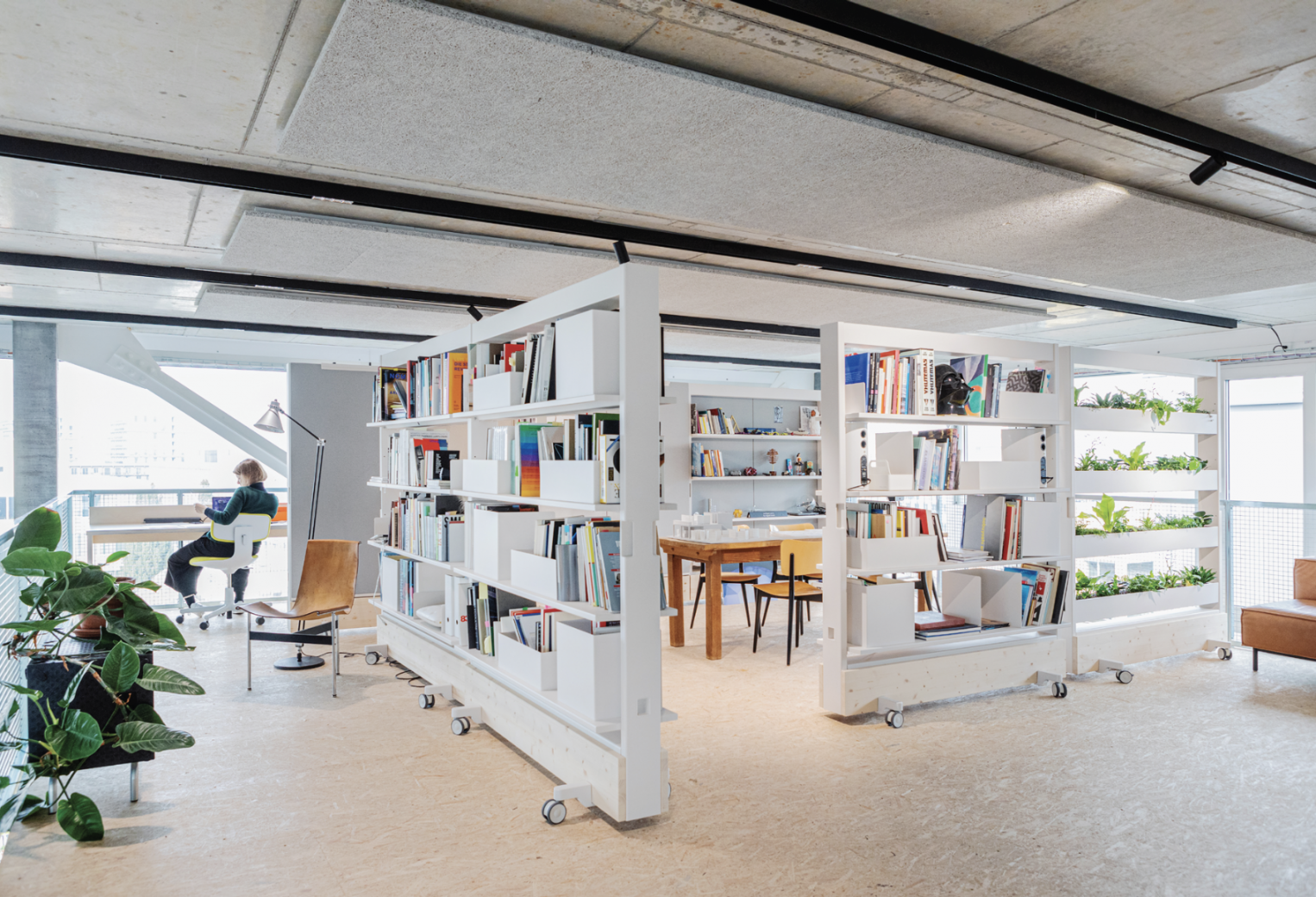
The border between work and home is more blurred than ever. In the last decade we’ve seen a growing need for creating a home atmosphere in the office. The pandemic of 2020 has been an accelerator that has caused a transformation of how and where work is done. Suddenly we work mainly from our homes, which to some extent will remain an option in many companies, in combination with coworking spaces and cafés when on the road. As a result, the post-pandemic worker will spend more time in their active and multifunctional home, which calls for new solutions. The home office will develop with new typologies and hybrids that can help us solve the challenges we face when combining private and professional life in very little space.
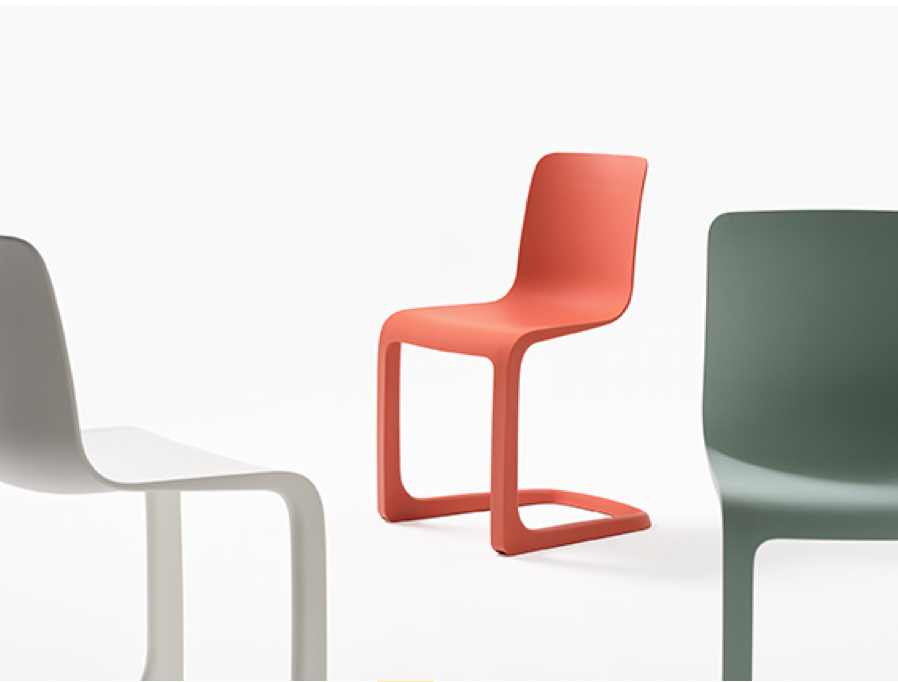 Vitra Evo-C by Jasper Morrison
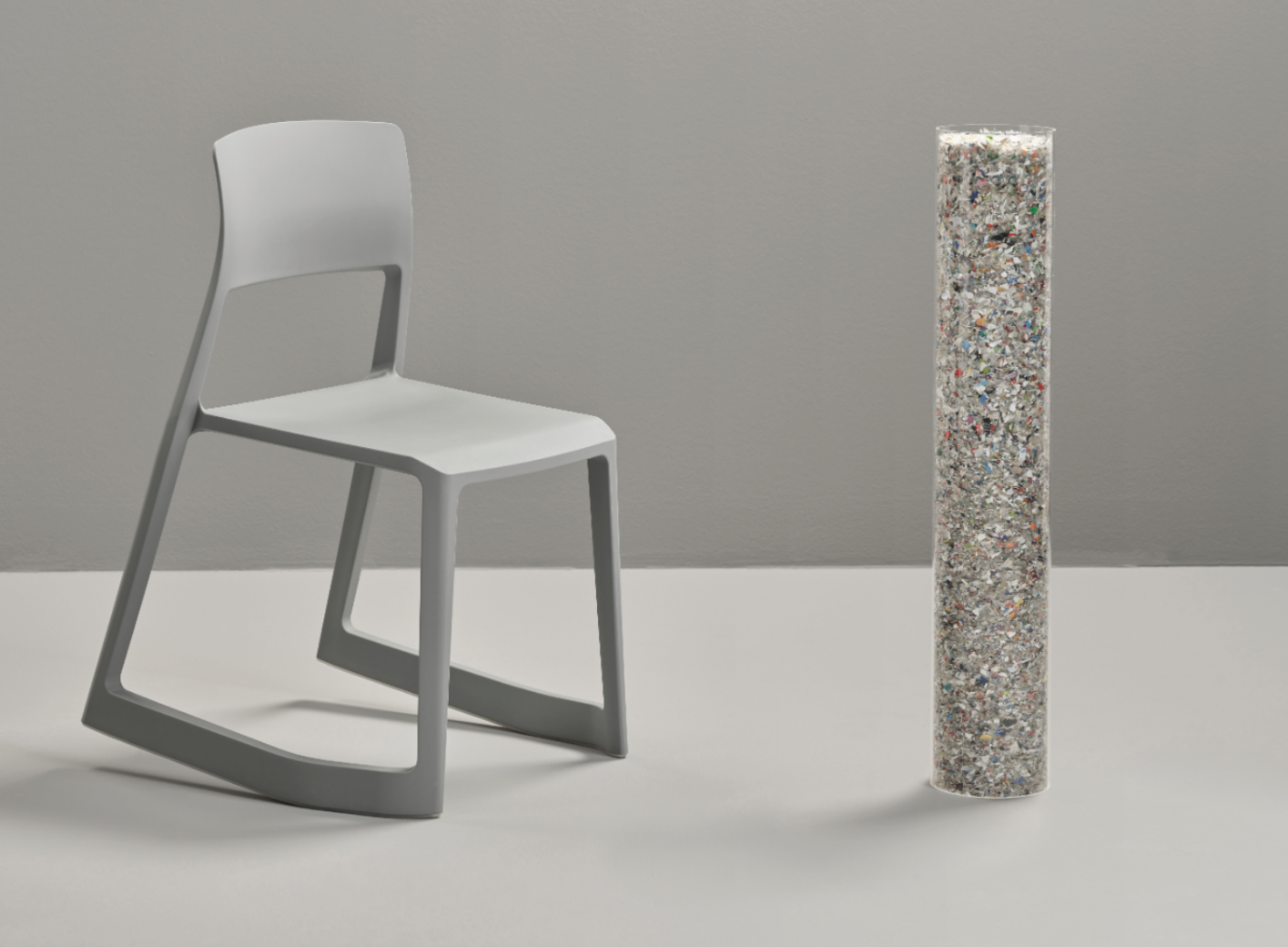 Vitra Tip Ton RE Chair
However, we will still go to the office at least a few days a week – obviously, depending on your job function – to breathe in the identity and culture of the company, to meet colleagues, collaborate and to socialise. This will change the layout of the office. We will see fewer desks and more products that address the growing need for agile meeting spaces, which support easy transformation and adaption to constantly changing scenarios, situations and tasks.
Across all new projects, sustainability plays a pivotal role. Designing for low impact materials, optimising manufacturing, efficient distribution, low impact use, optimising lifetime and end of life are important ingredients in every new project from the very beginning.
Sustainability must not become something annoying that comes on top at the very end. If considered carefully from the beginning of the development process, it can become a lever for innovation and drive a new aesthetic language, supporting the use of recycled materials and efficient distribution.
Nobody knows what the future brings. All we know is that it’s coming and that the best way to prepare for it is to be agile and able to adapt quickly.