The post-COVID-19 workplace: one size does not fit all
Interior designer, Enrico Caruso, and workplace consultant, Julie Lecoq, from HOK’s London studio, suggest that, rather than adhering to stringent global guidelines, companies look to their employees and individual offices for inspiration.
One of the few silver linings to COVID-19 is that, for the first time in modern history, the world is united in a common mission as researchers around the globe race to develop a vaccine to benefit everyone, everywhere. This rare spirit of cooperation and humanitarianism has us thinking about how we, as designers, can apply those same values as we help our clients, particularly those with global portfolios, respond to the new normal in the workplace.
In recent months, much has been written about the return to the office and how the coronavirus will forever change these environments. The recommendations laid forth in those pieces – including physical distancing, staggered work shifts, more hand-washing stations, thermal scanning – all have their merits as safety must take precedence. Yet, as we rethink the workplace in response to COVID-19, infection control is just a short-term priority. The more important long-term goal is to make the office relevant again.
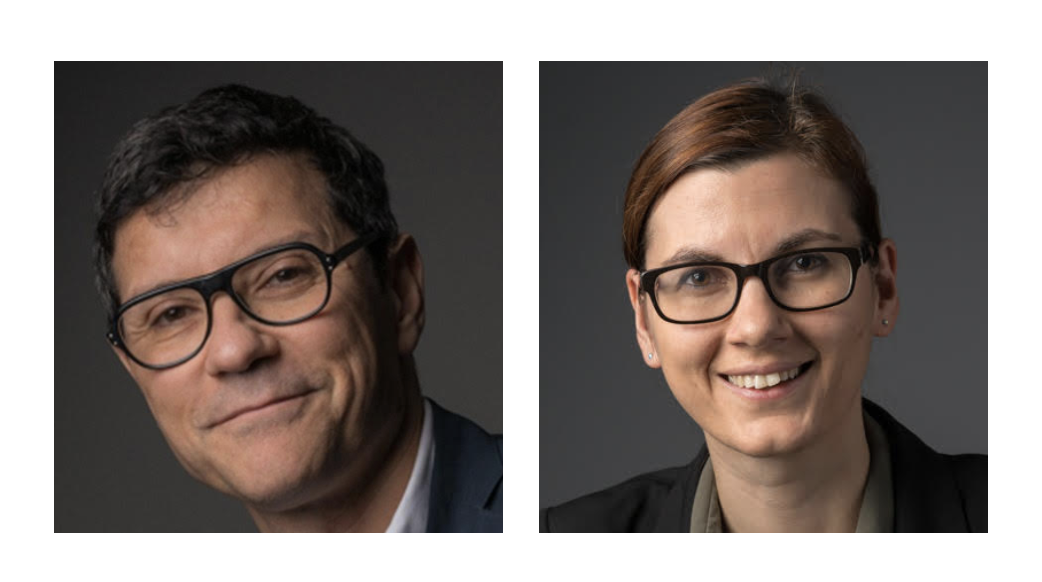 Enrico Caruso and Julie Lecoq, HOK London
Looking small, thinking big
This pandemic has proven, once and for all, that employees can be trusted. No longer do they need to be ‘present and accounted for’ in order to perform their jobs and meet expectations. We’ve experienced this within our own practice at HOK, where work-from-home protocols have caused no interruptions in operations. In some industries, companies have even recorded measurable increases in output. A client with an international financial firm recently told us that her company has seen a 26% increase in employee productivity since the work-from-home mandate began.
So where should global organisations seek guidance as they look to make the office relevant in the wake of COVID-19? Our suggestion: start with those same employees who have kept the business afloat during this crisis. Which improvements to their specific workplace, be it a headquarters in London or a satellite office in Singapore, would make them eager to return? This regional, bottom-up approach to workplace guidelines makes even more sense when it comes to coronavirus safety, as the pandemic will continue to affect each city differently.
When we’ve asked our clients and their employees – as well as our own colleagues spread across 24 cities and three continents – which changes they’d like to see post-COVID-19, the responses have pointed to a common theme. People want the Office 2.0 to serve as more than just a place to work.
Making the office relevant again
Employees are increasingly viewing the workplace as a place to collaborate, learn and socialise with colleagues, clients and industry peers. As we’ve all discovered during quarantine, technology allows for a certain degree of sharing, training and bonding. Yet virtual interaction often lacks the quality and richness of the in-person experience.
This human-centric approach to the workplace is all about the experience: creating positive and memorable spaces that transform the office into a destination similar to that of the beloved local coffee shop, pub or park. This new office type emphasises a choice of workspaces and wellness options, from group brainstorming areas to quiet workspaces and access to fresh air and natural light. The post-coronavirus office priortises inclusivity, with accommodations for those with special needs. It also serves as the embodiment of corporate culture and brand and can be used as a powerful marketing and recruitment tool.
Most importantly, the Office 2.0 takes its cues from the individual workers it serves while encouraging the type of collaboration, innovation and creative problem solving that is difficult to replicate outside a physical workplace. In this approach, no two offices are the same. Yet each office shares a spirit of cooperation and connectedness that, like the global race for a vaccine, is born of adversity while promising brighter days ahead.