Material Matters: SODA Studio
The team at award-winning, multidisciplinary practice SODA Studio offer up four of their go-to materials.

This article first appeared in Mix Interiors Issue 218
London-based SODA Studio is an experimental, free-thinking and collaborative practice working across architecture, interior design and graphic design. Recent clients have included The Office Group, Soho House and MYO.
Architect Parvathy Vipulendran, Associate Eleni Karabouikis and Designer Matilde Menezes offer up four of their go-to materials.
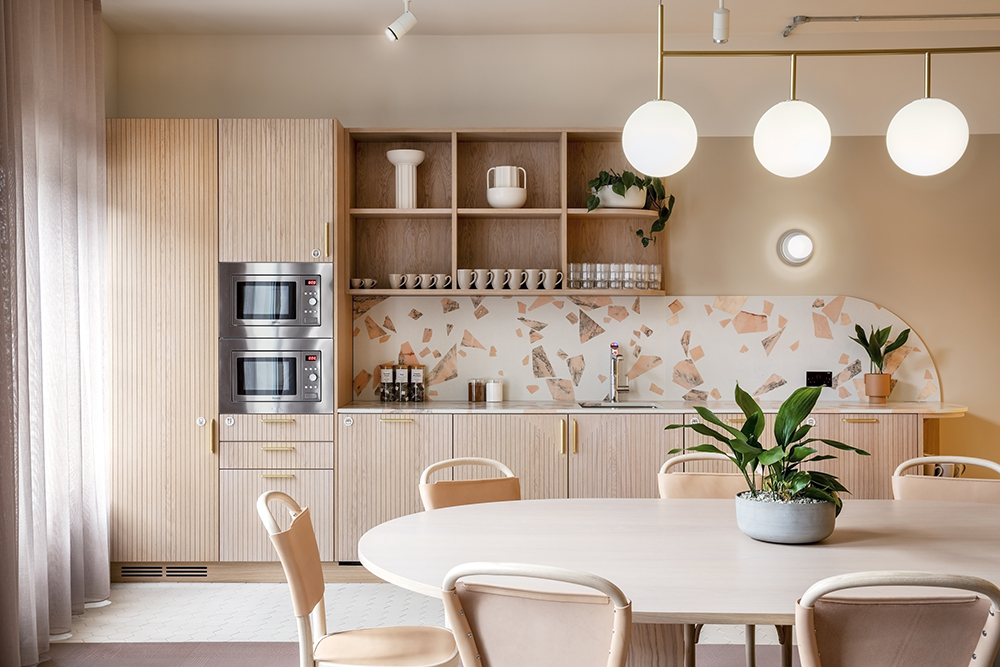 Image: Ed Reeves
Altrock
It has been great to work with Altrock on the Liberty House workspace for The Office Group (above). It’s made from 87% reclaimed and recycled materials, and it allowed us to bring in colours that were inspired by Liberty fabrics. It was integral to the design of this space that we could create visual links back to the heritage of the nearby department store and the elegant luxury that brings with it.
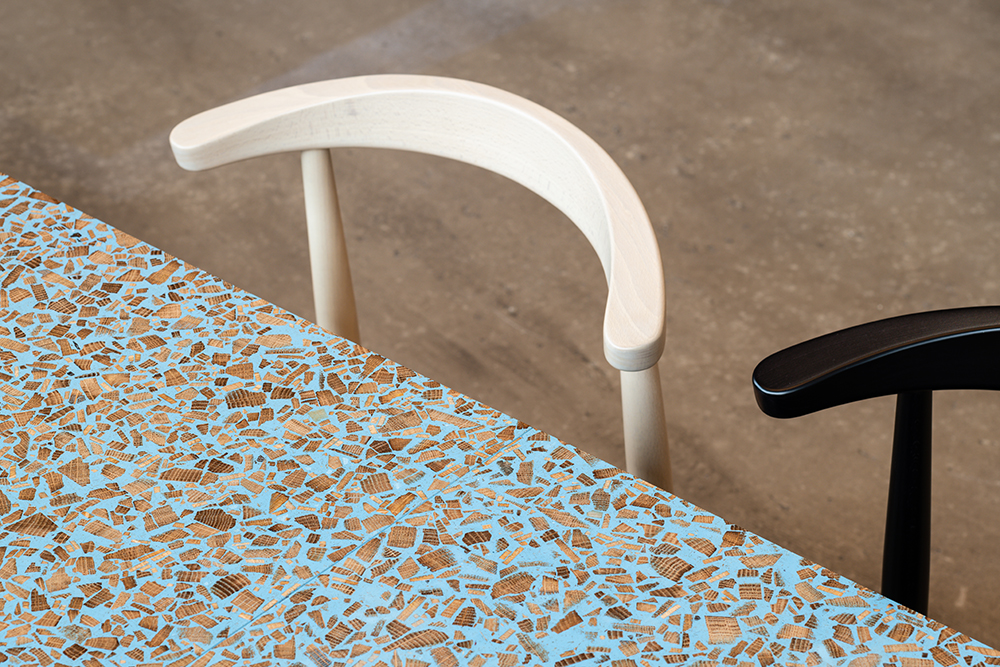 Image: Tom Bird
Foresso
Our design for the new Courier office (coming soon) is based on principles of mixing homely atmospheres with professional detailing, using a combination of raw and refined materials. These playful contradictions can be achieved by using a material such as the British-made Foresso. Comprised of timber chips, it’s sustainable and durable, perfect for a feature surface for worktops and the key points of interaction in Courier’s office.
Plywood
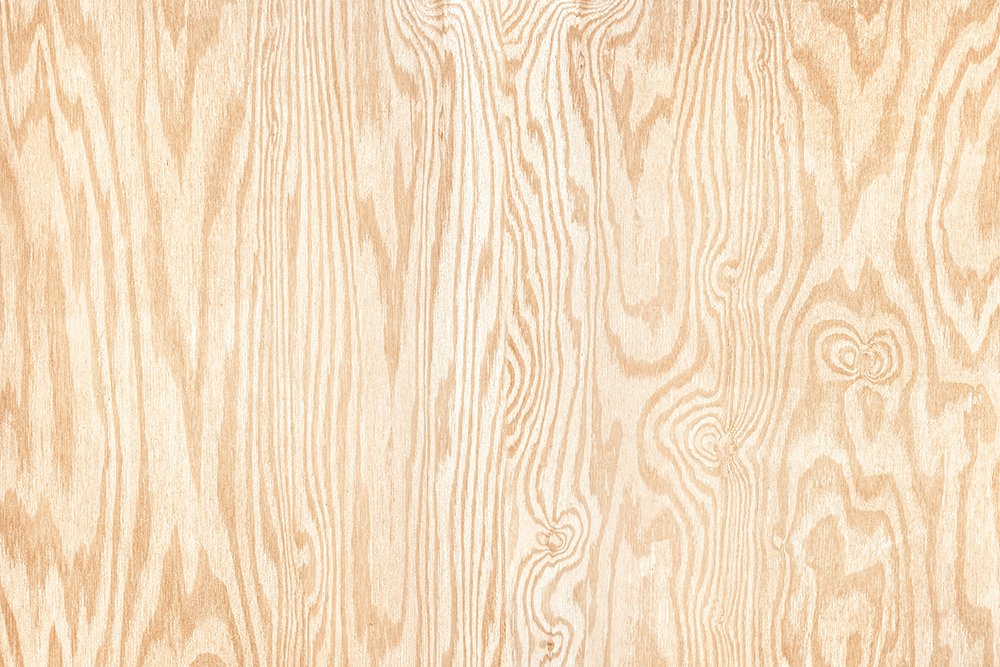
Plywood can be used as a finish in its own right, providing a contemporary utilitarian look. We have used it for the joinery at a high-profile workspace project we’re currently working on, that challenges traditional corporate norms by providing a series of different types of environments. Typically used as a construction material, we have elevated plywood to a joinery finish where expressed detailing shows off the laminated structure of the material.
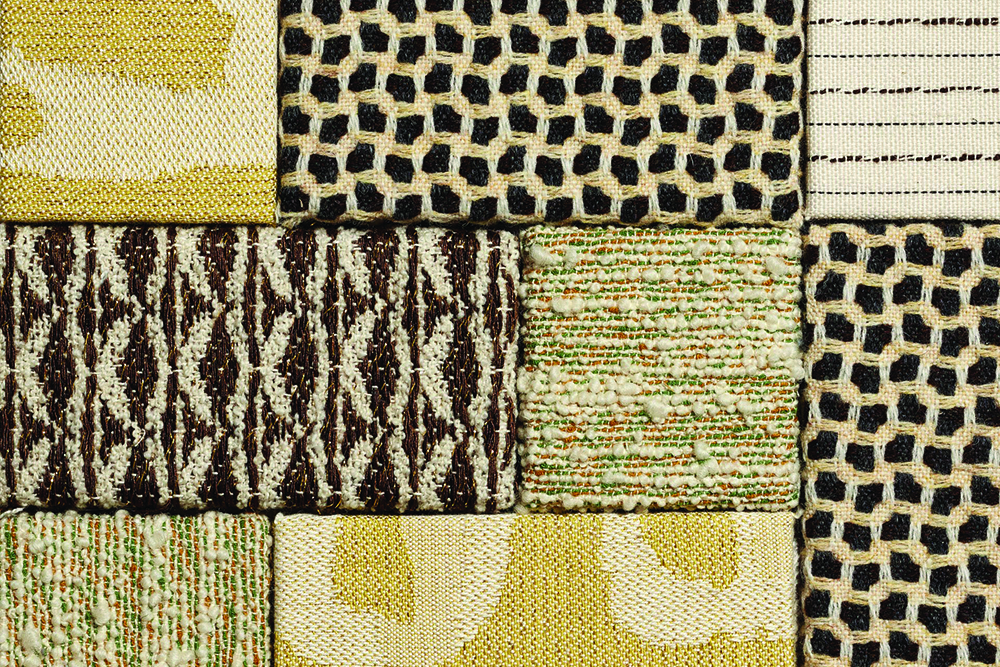
Tibor
Tibor is a woven fabric that we’d love to use on a project very soon. Handwoven in London, it has a rich depth and is clearly produced at the highest standards. The colours and textures could be used for a variety of purposes and it would create a sensory experience that also speaks of traditional techniques and elegant design.