International Women’s Day: why we’re not there yet
A series of influential industry figures offer their insights into the challenges that women in design, work and leadership still face.
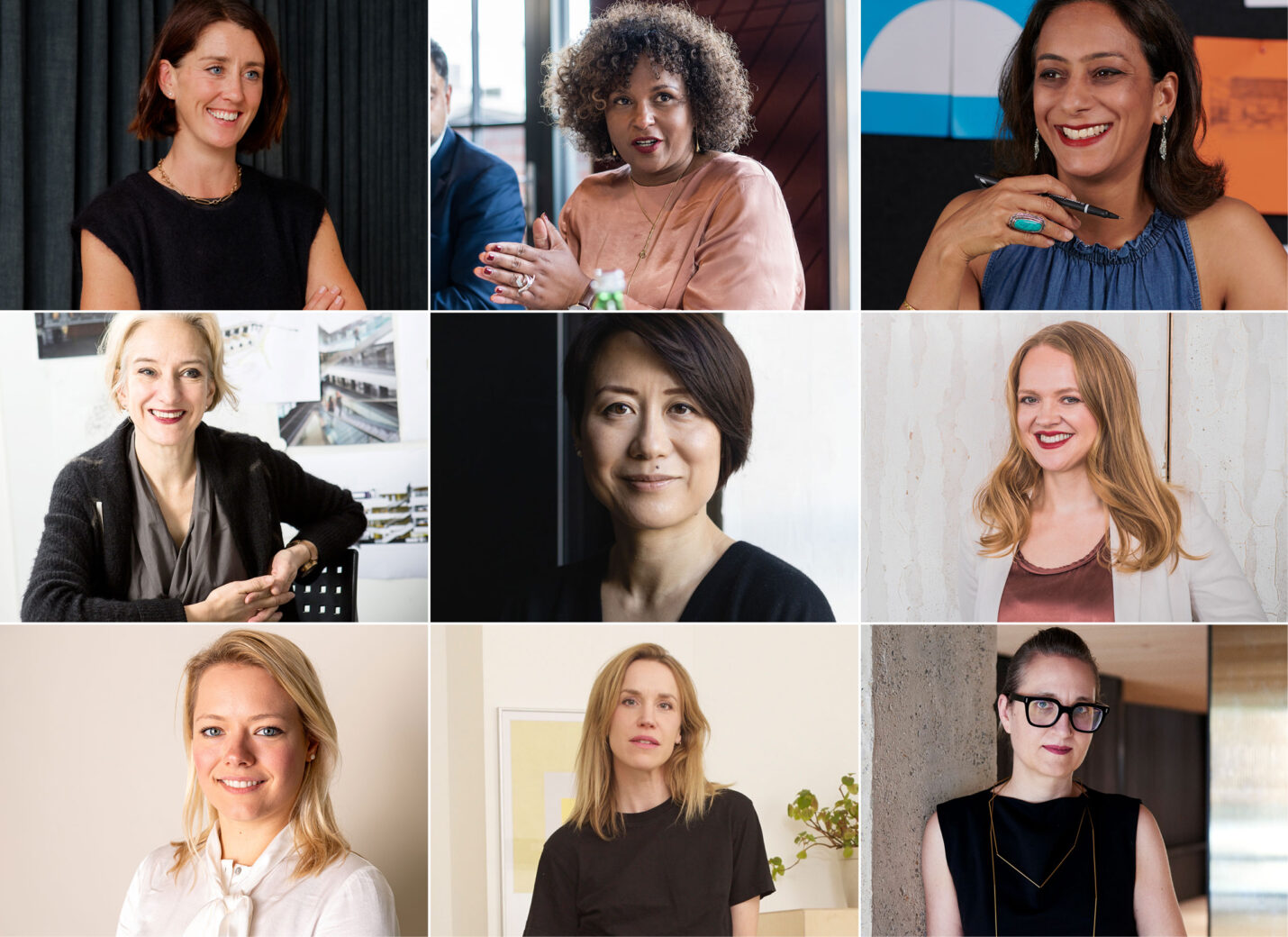
This International Women’s Day, we join the world in celebrating the achievements of women globally – while recognising that there’s still a way to go. Things have undoubtedly progressed since the inaugural IWD in 1911, but over a century later women are still campaigning for change and calling for action and opportunities to make a difference. From practical and systemic to ideological challenges, seven women share their experiences and hopes for the future.
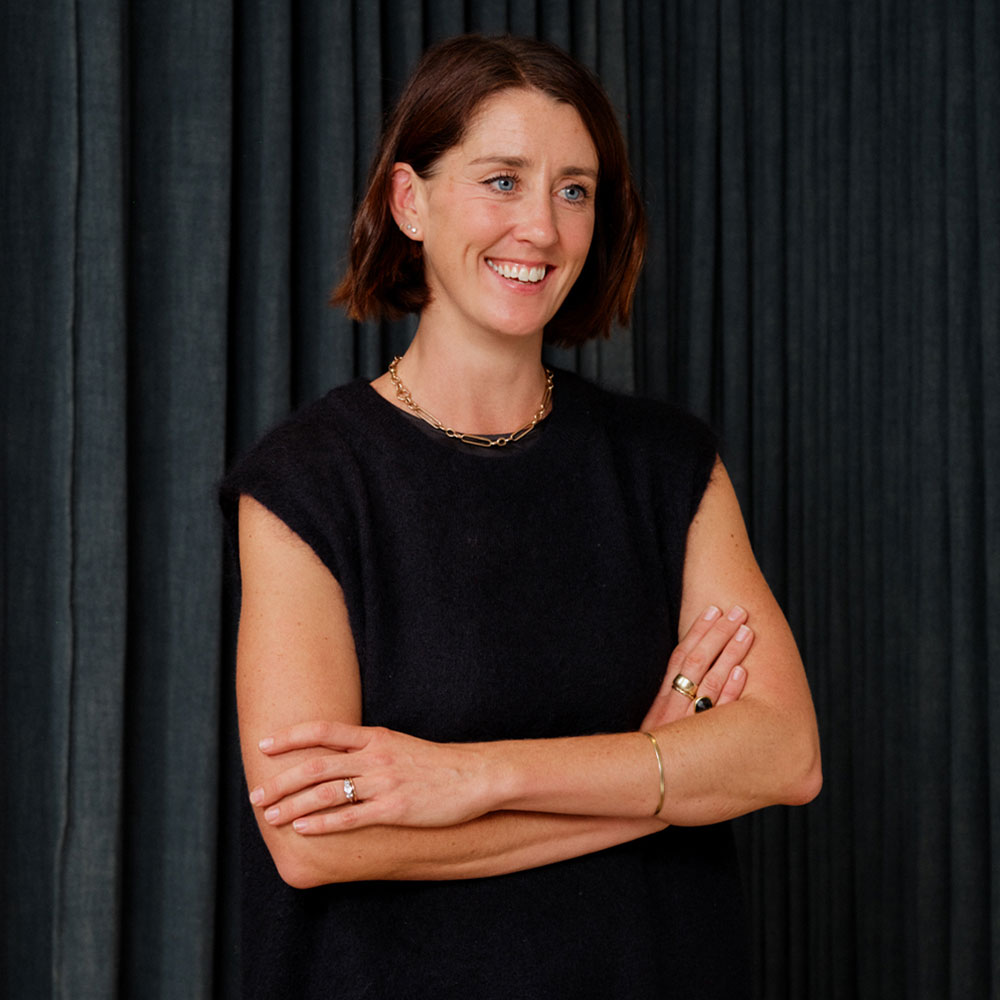
Carly Sweeney, Director, Universal Design Studio
As a director at Universal Design Studio I’m conscious of our majority female team’s perception and understanding of how they too could lead a studio one day. My role sits alongside other directors and our Principal, but as one of the few women at this level it’s important for us collectively to ensure that we create clear pathways for junior talent to see where their career can go and what the possibilities are. Part of this involves navigating difficult conversations where oftentimes the barriers are less visible from a gender perspective – and even more pronounced for people of colour.
For me, if you want to genuinely be a role model it is important to be honest and showcase your vulnerabilities. Glamourising ‘the hustle’ sets unachievable standards for the team. They should know that I’m a mother, have priorities outside of work and that finding balance is not easy or effortless to achieve. Sometimes this is as simple as asking for help or admitting you’re having a tough day because your child isn’t well or hasn’t slept. From a creative standpoint, we also need to celebrate the voices of women alongside other underrepresented groups – for Universal, the best results come from collaboration between people with different perspectives, whether that’s your gender, culture, personal beliefs and everything in-between.
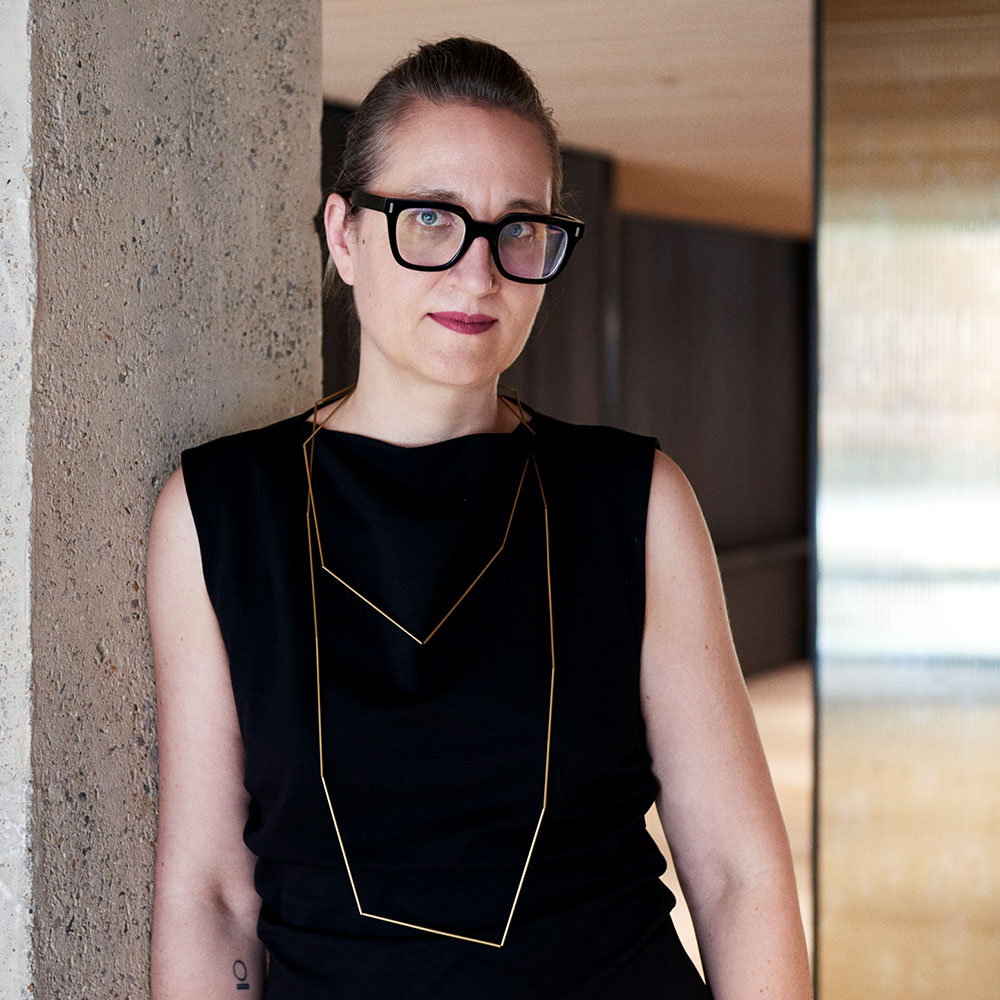
Tina Norden, Partner, Conran and Partners
At Conran and Partners, we have a fabulous and strongly female-based team, including 50/50 at board level. However, the design industry still has a very disappointing percentage of women, particularly at leadership level. It begs the question: why is it there such disparity when the split in education is usually 50/50?
I can think of many factors that are persistent in the industry and off-putting for women, including long working hours that are not friendly for young families, a toxic culture of suffering for one’s art and male bravado in meeting rooms and on site – yes, it is still a thing. No wonder women give up their dream of a career after university. A change in attitude is needed to make sure we get more talented women into the industry – and keep them there.
Education is key. We must empower everyone equally from the start to follow their dreams and not be discouraged, offer supportive tutoring and provide workplaces that consider life and its quirks fairly. Importantly, we need more female role models that ace what they do and can show the next gen that all is possible in our industry. I had amazing women throughout my career (still do) that I looked up to, now it is up to us to continue their legacy.
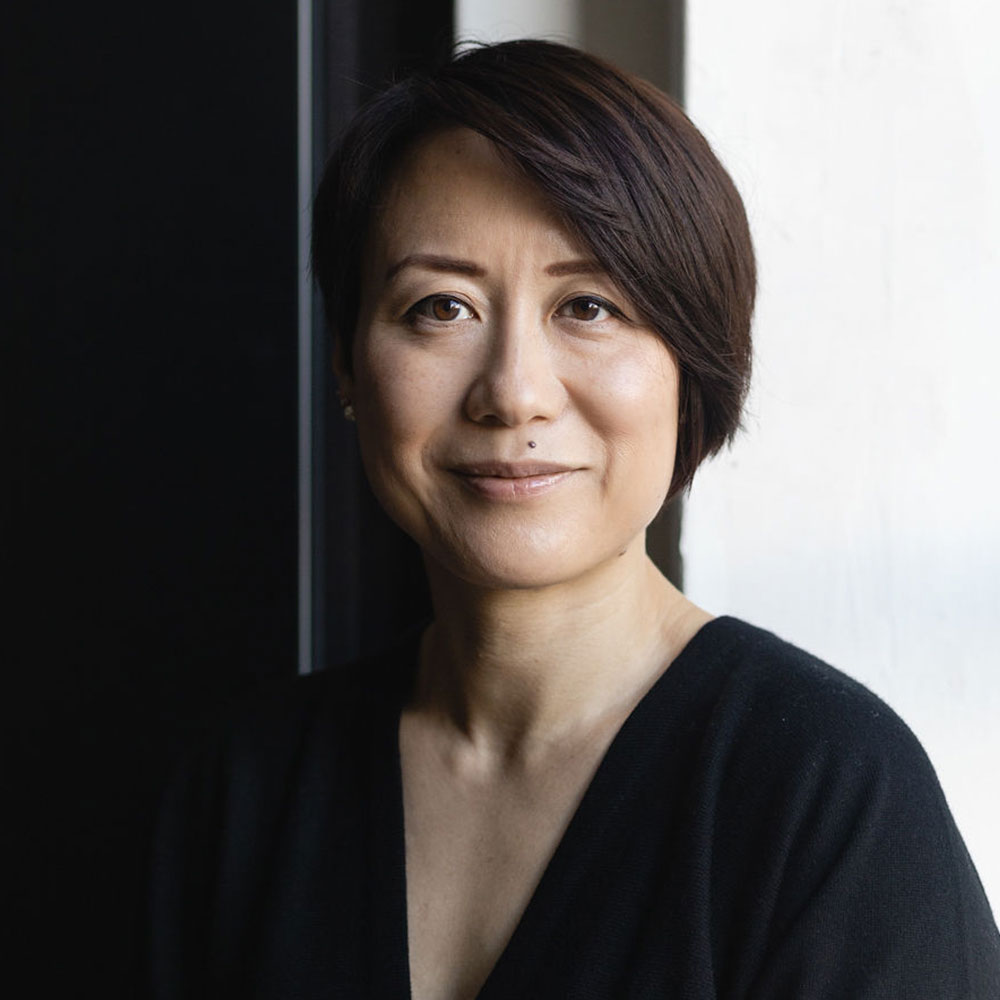
Jamesina Sainsbury, Director of Consultancy, MCM
I was the first British Born Cantonese in our family and for the first decade of my life my grandparents raised me. I was my grandfather’s first grandchild and was brought up with a sense that my sex makes no difference to my potential for becoming a powerful, intelligent and successful human. Upon entering the world of work this view both helped and hindered.
My strength lay in the fact that I always felt I deserved to be heard and to be seen. But, on the other hand, I had a somewhat naïve view, which often led me to brush off inappropriate comments and behaviours as a sign that I was ‘fitting in’ or demonstrating resilience. Having matured and learnt more about myself and the way of the world, I now look back at that period of my career with some sadness. Whilst my lack of reaction and response at the time may not have harmed me, I feel sad that I did not call out those behaviours for all women. Because being belittled or harassed under the guise of ‘you’re just one of us’ is never acceptable.
Reflecting on these past experiences has taken me on a new journey, one where I commit to championing, empowering, coaching and supporting women to live their best lives.
My grandfather was right, our sex should never preclude us from reaching our full potential and I’ll forever be grateful to have had that starting mindset.
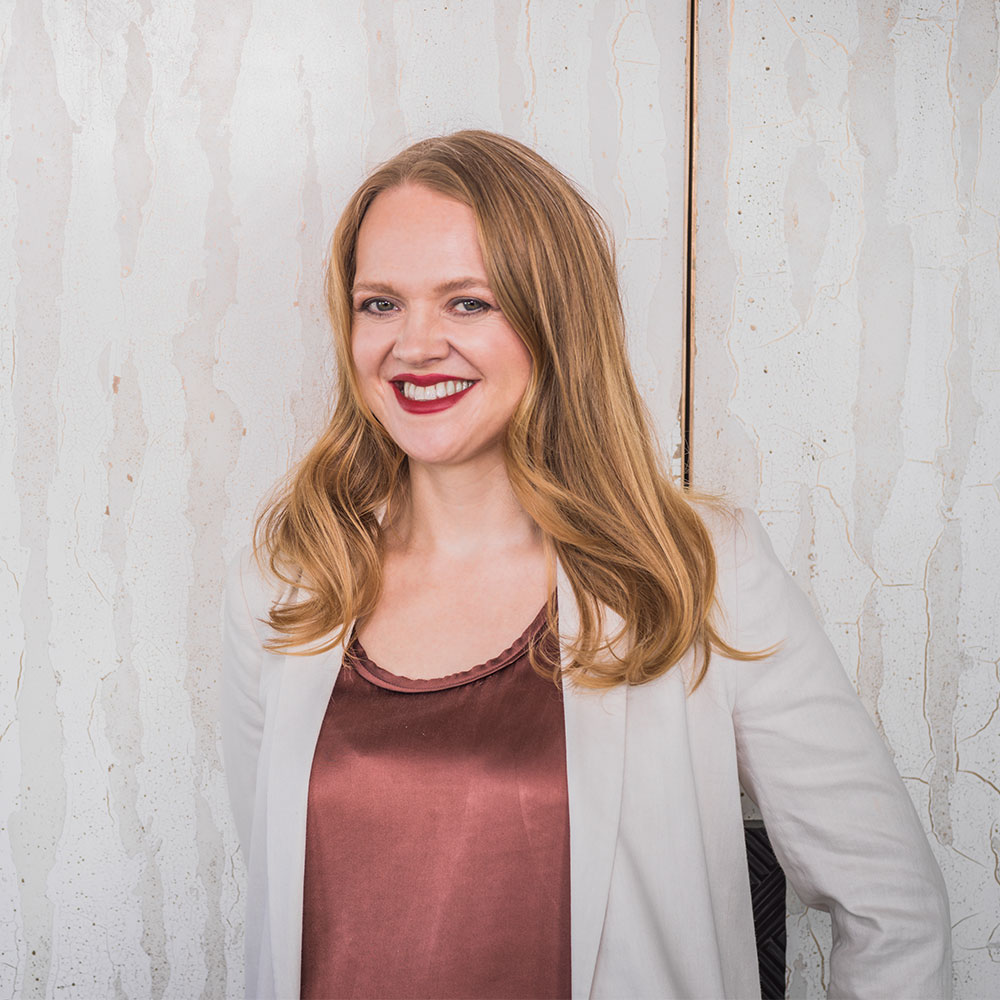
Jo Littlefair, Director, Goddard Littlefair
We have seen so much progress when it comes to equality and women in the workplace, but there is still work to be done. We need to continue to push to have women’s voices not only heard, but truly listened to and respected.
Institutionalised bias and stereotypes surrounding women’s capabilities to lead and outdated attitudes about the skills women do and don’t possess are still unfortunately all too common. This doesn’t serve anyone, least of all women.
We need to continue to shine a light on the diverse and multi-faceted skills people bring to our industry on an individual level, irrespective of their gender, sexuality or beliefs.

Gurvinder Khurana, Director, M Moser Associates
Since starting in the industry over 20 years ago, things have definitely progressed. One of the main reasons I started a company with my partner 17 years ago was that women were not given the same opportunities back then. Since joining M Moser as a director of a large global business, I’m pleased to see how far things have moved on. People are much more open-minded, embracing differences and understanding diverse qualities.
However, there are still many challenges. For example, women are still not always taken seriously and a lot of the time it’s not just by men, but by other women too. There is often a fear from senior-level women that there’s not enough room at the top, when there absolutely is. Women do things differently; they have different perspectives and provide that much-needed balance, so we must encourage and help each other.
Then there are other challenges such as age and pay discrepancies, lack of women in leadership roles, menopause and unconscious bias in hiring and promotion.
Seeing that younger generations are not tolerating what their parents have been through is both exciting and expected – each generation wants to affect change; we have seen that time and again. What we are seeing here is the push for a more equitable society. Each generation has a responsibility now to encourage that.
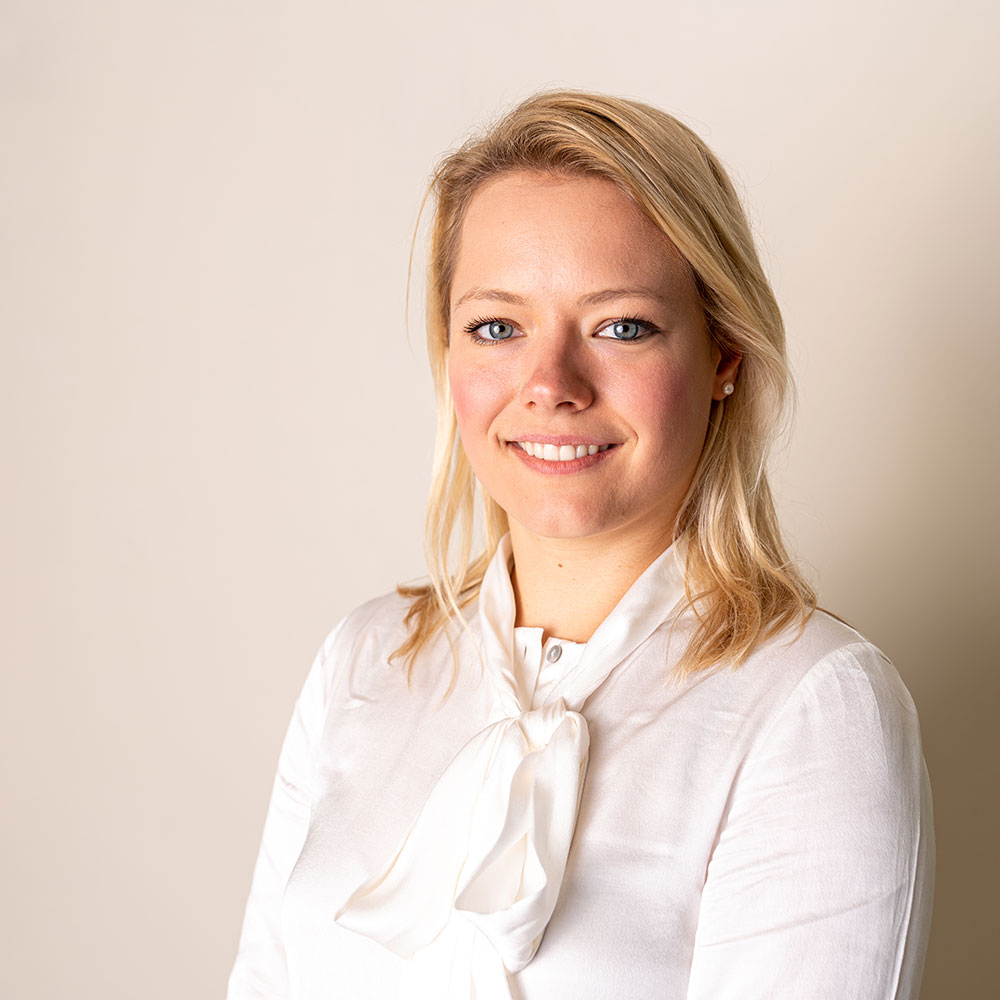
Olga Turner, Director, Ekkist
While women working in the property industry still face a number of challenges (long working hours, a lack of flexible or part-time roles and limited paid parental leave beyond the statutory minimums, all hampering compatibility with family life; as well as male dominant boardrooms), there are also clearly more opportunities than ever to succeed.
There are an abundance of female networking groups, a huge focus on having diverse industry panels and speaker opportunities giving women a voice on large construction ‘stages’ and increasingly flexible working practices. There is a new willingness to listen and learn. Although there is clearly a long way still to go, the tide has turned.
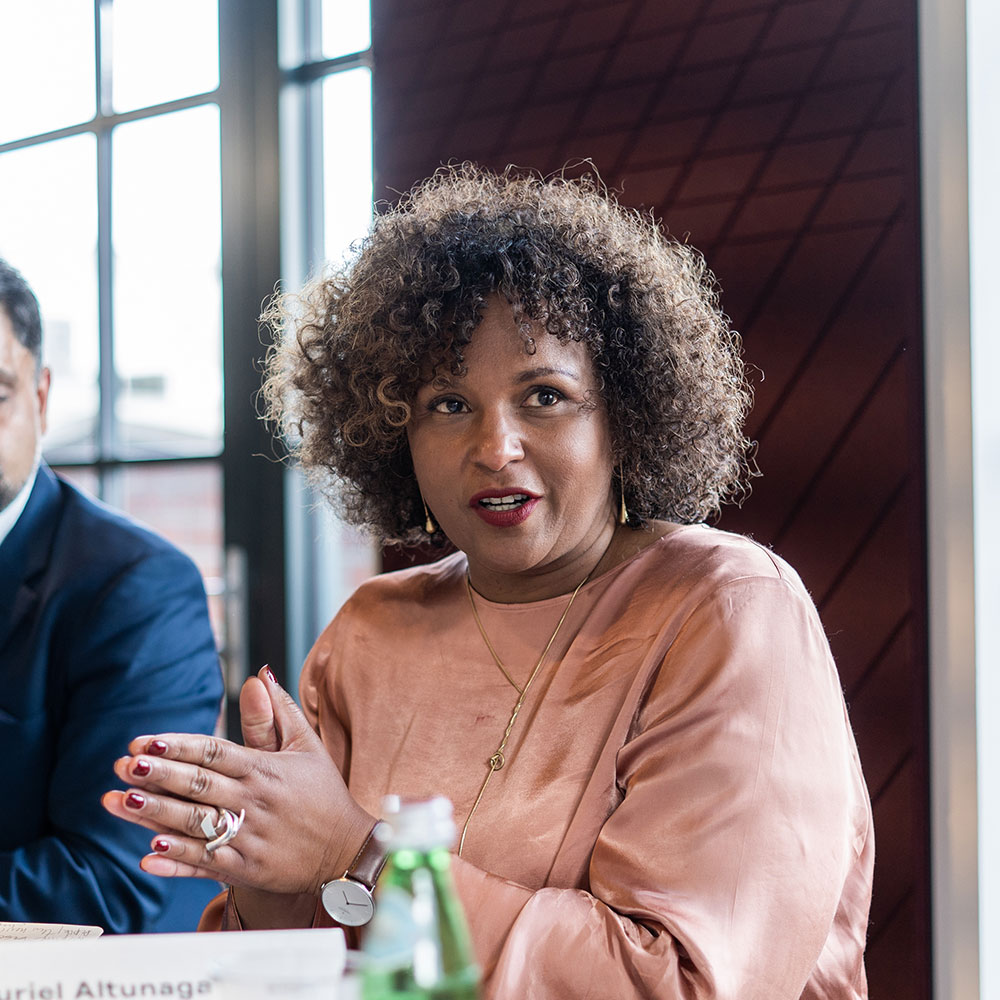
Muriel Altunaga, Workplace Consultant
I am in admiration of the fantastic women who have contributed to our society’s growth and evolution, with a humble gratitude to every professional woman standing in the workforce, shaping the landscape of a more diverse employment. Women tend to be more highly educated than men in most countries and yet despite this, women are still paid less, as evidenced by the persistent gender pay gap. Women are over-represented in low-paid sectors and under-represented in well-paid sectors. Traditional gender roles, a lack of support to allow women and men to balance care responsibilities with work and political and corporate cultures are some of the reasons why women are underrepresented in decision-making processes. Women’s presence on the boards of the largest listed companies and in government positions barely reaches a third of their male counterparts in Europe.
I come from a long line of professional women. My grandmother used to say: you are a woman. You must be twice as bright, work twice as hard and rest less to progress half as much as your male peers. Things have improved since my grandmother’s time, but more must be done. I hope, in the future, our grandchildren will be able to share care responsibilities, enjoy work and progress according to their abilities and desires regardless of their gender.