In Response: the death of maximalism?
In a piece for the BBC, Dominic Lutyens explores quiet luxury in homes. We explore what this could mean for commercial interiors.
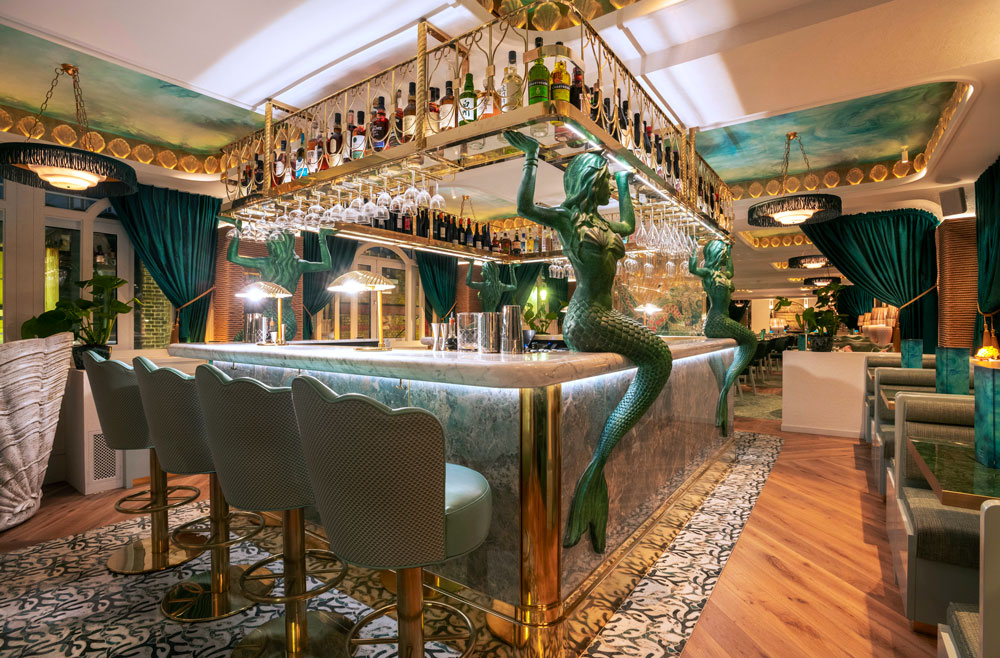 Fabled Studio – Manzi's Soho
In our recurring In Response series, we provide a conversation-starting counterpoint to the stories of the moment.
Words: Harry McKinley
In a piece for the BBC, design author and Mix contributor Dominic Lutyens recently explored the legacy and continued appeal of stealth-wealth interiors. With a focus on homes, he traversed quiet luxury’s East Coast American pedigree, British origins and the aesthetics’ markers – minimalist, muted and, of course, outrageously expensive, even if there’s nothing quite so gauche as talking coin.
A desire for placidly luxe environments makes sense when applied to our homes, but the conversation becomes more urgent, more resonant, in light of a spate of recent trend reports suggesting ‘quiet luxury’ – and by extension, minimalism – is seeping ever more forcefully into the realm of commercial interiors. Some design opinion shapers are suggesting it could become the dominant style for 2024 and onwards; interiors that whisper over those that shout.
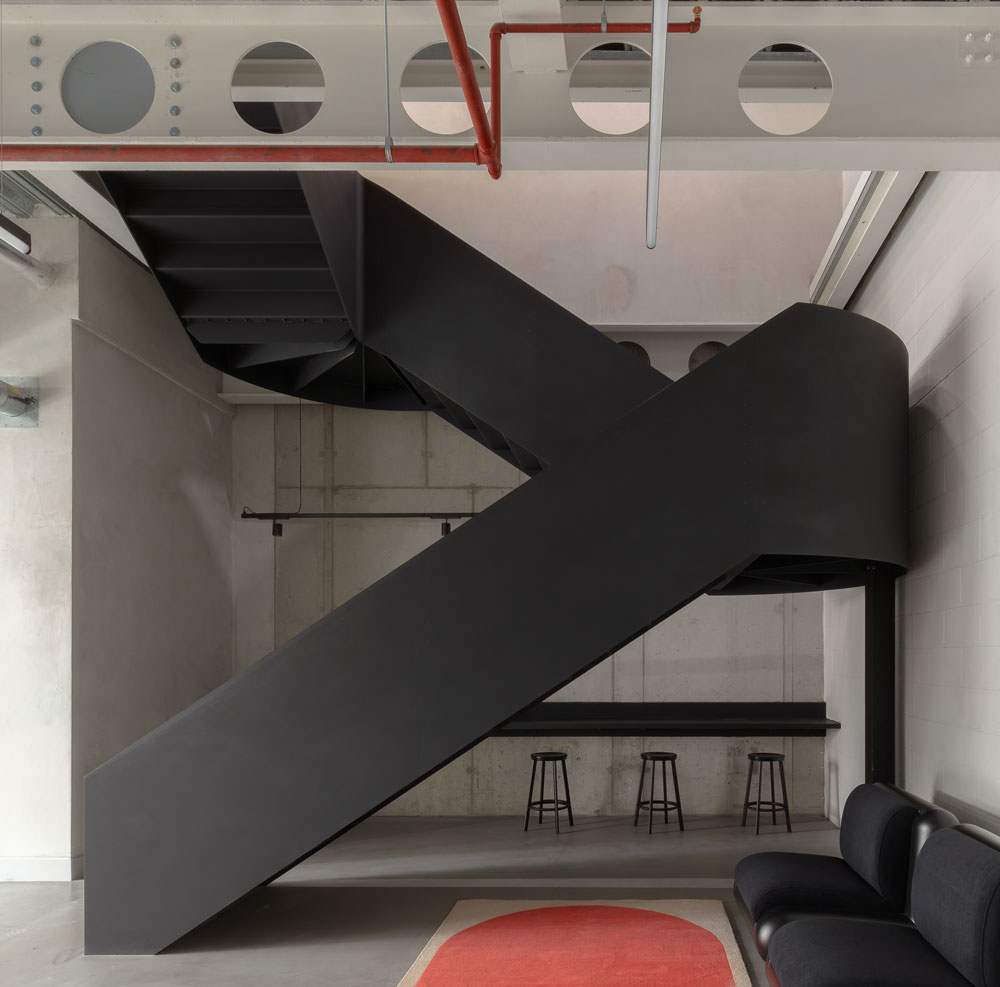 Holloway Li – Broadwick Live
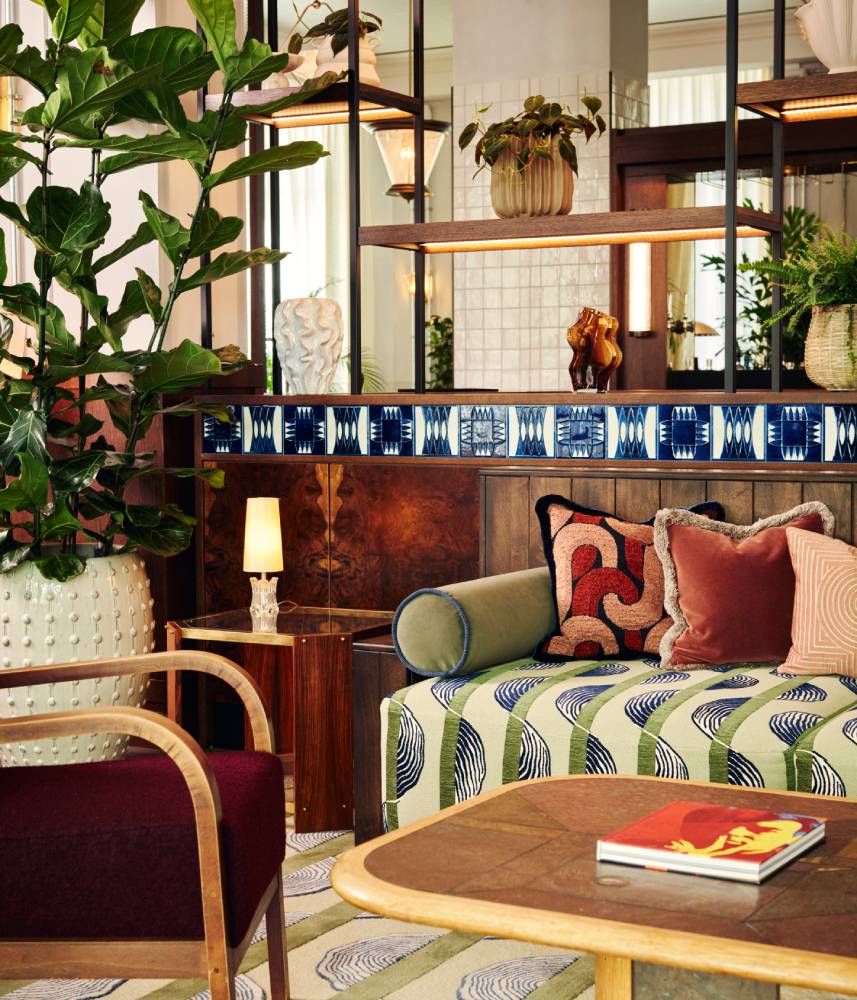
Of course, at its heart, quiet luxury emphasises simplicity and austerity; a commitment to the ‘less is more’ ethos championed, perhaps most influentially, by modernist architect and interior designer Mies van der Rohe. It ostensibly centres understatement and timelessness. Its rise, both current and predicted, could be seen as an antidote to the proliferation of maximalism then – often characterised as the ‘aesthetic of excess’. From Luke Edward Hall’s Hotel Les Deux Gares in Paris, opened in 2020, to the Martin Brudnizki-designed Broadwick Soho in London, unveiled in 2023, recent years have seen hospitality embracing a more-is-more mantra – giving us drama, personality and layers of interiors exuberance. At the Fabled Studio-envisioned Manzi’s, a plaster Poseidon looms over a dining table while mermaid statues prop up the bar. Even our workplaces are increasingly rendered in rainbow hues or seeking to make a statement, from Bluebottle’s colour-centric headquarters for Getty Images to Holloway Li’s boldly 80s workplace for Broadwick Live.
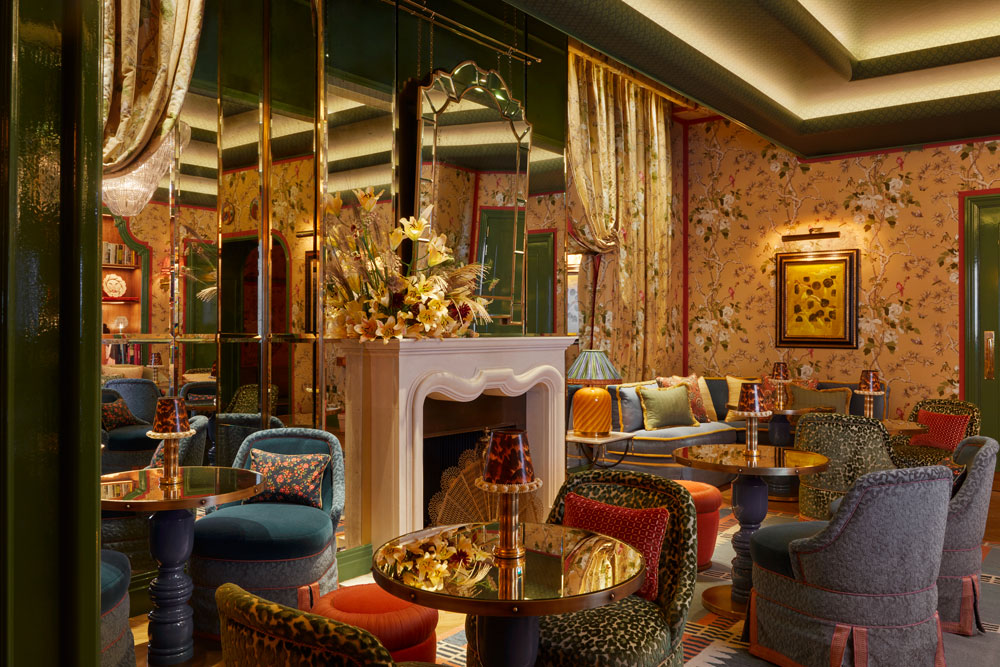
Speaking to us for issue 230, Brudnizki suggested that maximalism is fundamentally about ‘having something to say’. It stands then in statement-making contradiction to the understatement of minimalism and its inherent quietude. It raises a few questions: do we want our commercial spaces to say something, boldly and esoterically? Does maximalism truly stand at odds with timelessness or can we champion wildly characterful environments, thoughtfully conceived to stand time’s test? And does the creep of quiet luxury and minimalism from the residential arena to the commercial represent a step forward in design, or a step back?
Answers on a postcard please, garish or otherwise.