10 questions with: Roberto Palomba
The architect and Ideal Standard Chief Design Officer discusses change, challenges and collaboration.
Feature in partnership with Ideal Standard
What, for you, is good design?
Design is a process that’s constantly changing, and not always in ways that are tangible. It doesn’t mean reinventing your style or your identity with every new trend. Ideal Standard has more than a century of design heritage and our Atelier Collections build on this rich history by reimagining mid-century Italian designs for the contemporary washroom.
How would you describe your architectural sensibility?
Sensibility is what connects architecture to human experience, and that involves much more than aesthetics. True joy and excitement in design comes from creating a space that not only looks beautiful, but also performs effectively and effortlessly. Functionality is the base and then you build personality and expression into a design – it’s what users expect now, so the aim is to challenge those expectations by giving them an experience unlike that they’ve encountered before.
What has been the most formative project of your career and why?
There is no single project. Each new project and design is a learning experience as customers’ needs and desires evolve. It’s waking up every day to discover what those changes are and looking ahead to see what comes next; keeping ahead of design trends and having the courage to question design every day.
How does your architectural DNA translate into your work with Ideal Standard?
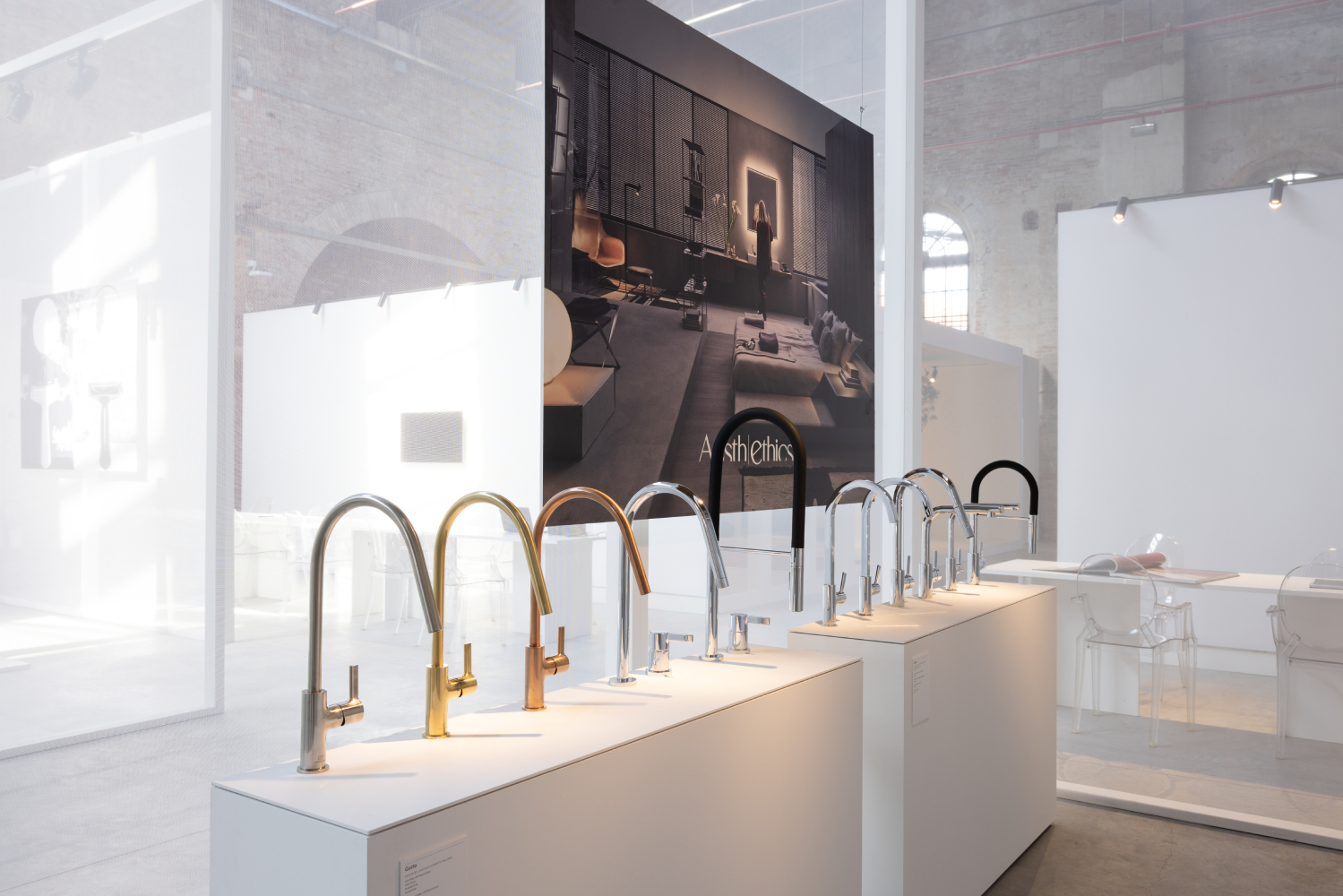
To define it quickly: simple, linear and complex. Working with Ideal Standard, I have the opportunity to explore design and products that combine these three elements of architectural DNA, creating beautiful yet simple designs that work hard, with complex technology and expert manufacturing hidden within.
While these products are complex, the thread of Ideal Standard’s Singular philosophy guarantees a linear connection throughout the entire product portfolio, so we can give designers and architects that freedom and peace of mind that, whatever they want to create using our solutions, they’ll be able to implement it.
At your eponymous studio, you work alongside your wife, of course. What for you is the key to successful collaboration personally, and what is the key for successful collaboration in the design industries at large?
Mutual trust, respect and curiosity – both professionally and personally – are what make it work. We look at everything from a different perspective and that is invaluable to the final design, because we need to explore and intertwine our ideas. It can take as much, if not more, courage to embrace someone else’s perspective, rather than push boldly on with your own.
What is the greatest challenge, operating as a designer, and how do you manage it?
The challenge when designing a single product or collection is also being a strategist, considering the individual product or collection’s place within Ideal Standard’s design identity. And this isn’t just an aesthetic consideration; a history of engineering innovation is a key part of this identity and that comes hand in hand with design heritage. Fortunately, Singular acts as the link that brings all these facets together and provides that license to push the boundaries in both senses.
What have been the greatest changes in recent years and how important is the ability to adapt?
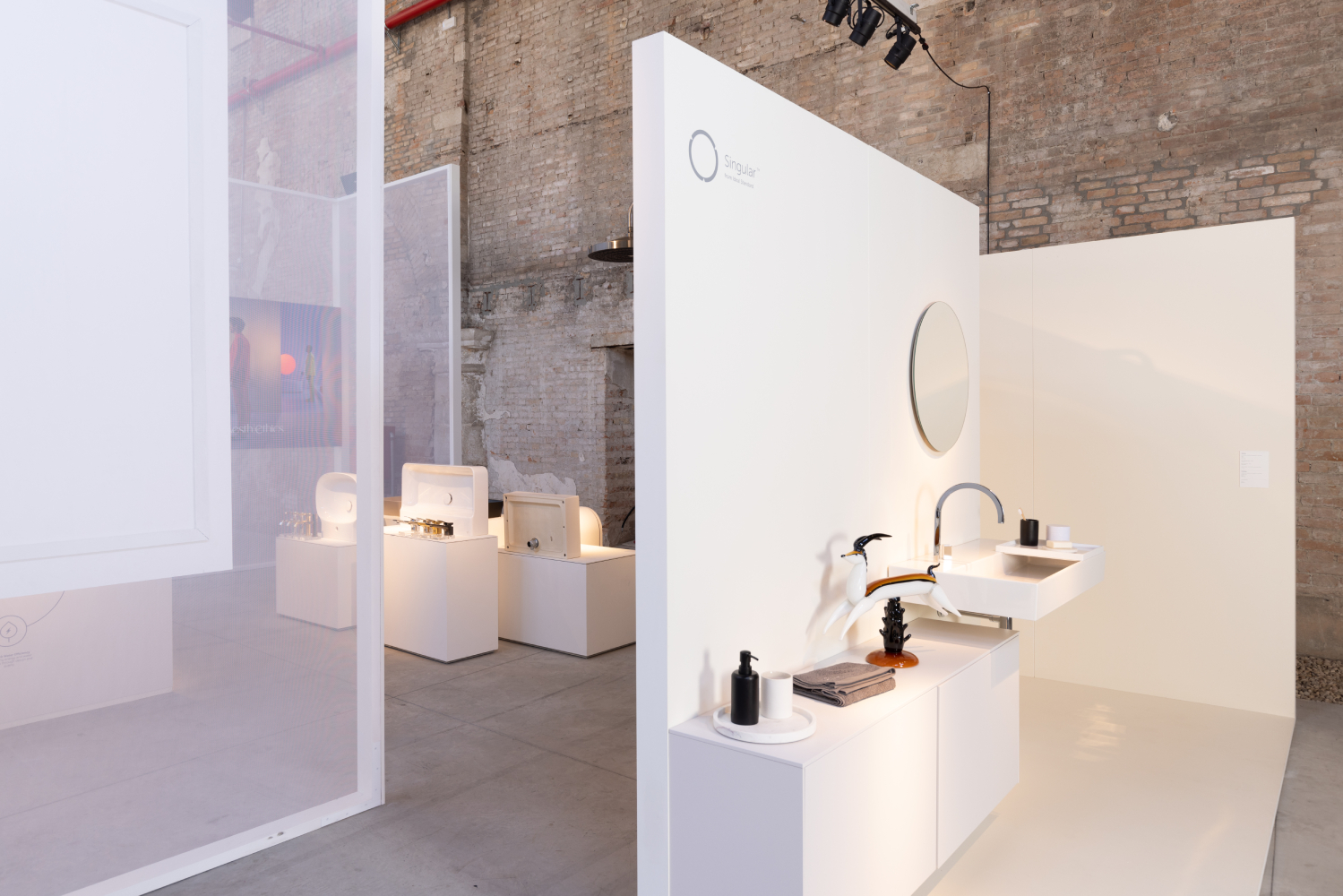
In recent years, the most important change has been the rise of technology, from an optional extra to a must-have. However, Ideal Standard’s ability to adapt and embrace these changes and innovative materials means that we see opportunity rather than difficulty in the constant technological progress. One example is Solos – the technology behind this integrated basin mixer unlocked new possibilities for me as a designer and was central to the radically minimalist collection.
What are the differences in how you approach designing a space versus designing a product?
I think all design should represent an act of service and generosity, where you are sharing your creativity and ideas with others. The brilliance of a designer is to visualise people’s desires by building a product around them – good design brings happiness to both the consumer and the designer.
One difference is the proximity you have to users. When designing a space, you have much more contact with the end user, who will relate personal requirements and specifications for you to incorporate and consider in the design. This means your approach is more targeted, and the satisfaction comes from the final result of the project and the happiness that your design brings to your client. This is a significant element of our profession; conversely, when you’re designing a product, the impact is wider reaching. You’re designing for thousands of eventual users which means the final result is often imperceptible for the designer. Connecting with these eventual users requires a study of society as a whole and people’s desires, expectations and needs.
Is there such thing as good taste and what does that mean to you?
It used to be said that not all simple things are elegant and not all elegant things are simple. In my eyes, this is a good rule. A well-designed, well-proportioned piece often impresses more than a clear attempt to impress. Our recent neoclassical ranges, Calla and Joy Neo, are focused on a muted and modest luxury style that conveys sophistication without opulence and extravagance.
What do you feel has been your greatest achievement as a designer?
As a designer, as a person, as Roberto, the answer to this is definitely my daughter!