Project Team
-
TAG Furniture, Woodside Designs, Little Greene Paint, Manchester Museum, Warden Construction, Wilson Maison Architects, TAG Furniture, Warden Construction
Text provided by The Artistry House Interiors
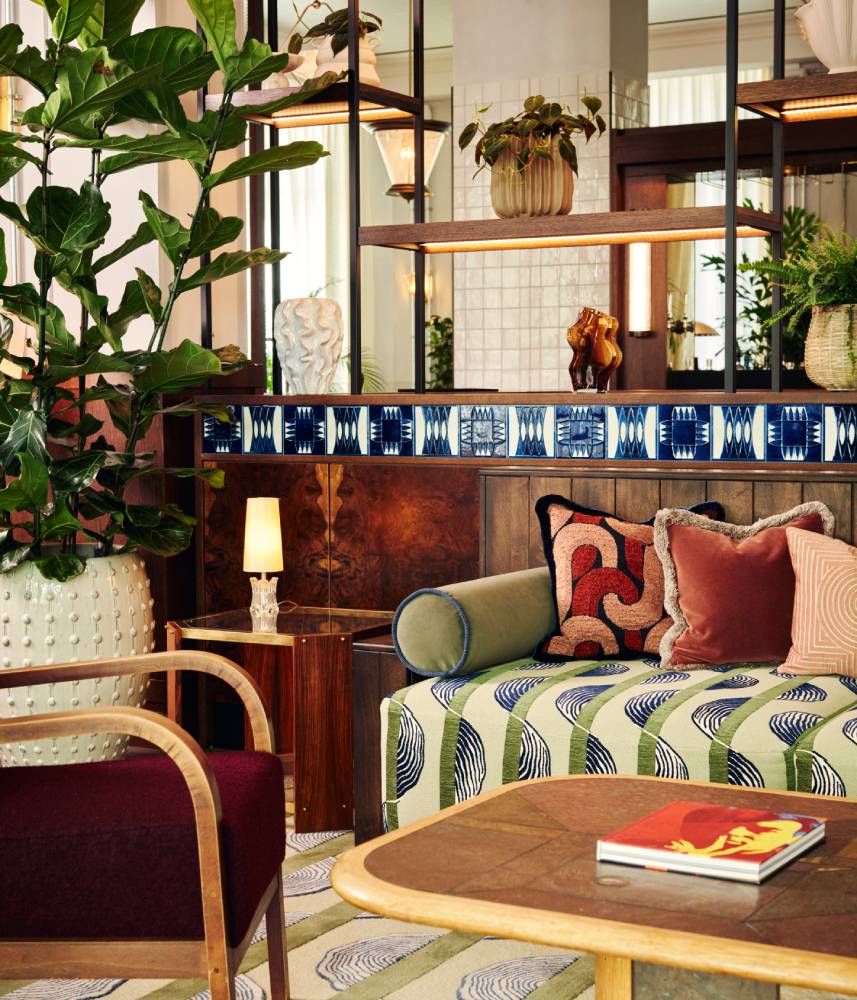
The Artistry House Interiors were appointed to deliver a selection of non-gallery spaces with a multitude of purposes, atmospheres and intents for Manchester Museum’s Hello Future project. Being mindful of the unique functionality of each space, visitor experience and flow, the concept also made sure to embody the Museum’s commitment to sustainable and inclusive design. One of the main inspirations for the project was the Glyptoteket in Copenhagen, a museum of art and sculpture in the heart of the city, built for the people. The studio aimed to fill Manchester Museum with rich colours, patterns and materials that help bring the areas to life.
As the Museum is part of the University of Manchester’s estate, the design had to adhere to the university’s Directorate of Estates & Facilities Procedure Information Manual, particularly the Code of Practice for Design Teams. This placed factors such as sustainability, low maintenance and future maintenance building, replacement and recyclability at the forefront of the FF&E specification, to which design-focused, modern, and high-quality pieces were incorporated, inviting people to use the non-gallery spaces as places to socialise and relax.