Explore the latest projects from the UK’s commercial interiors industry, featuring the best of workspace, hospitality, living and public sectors.

The year that was: Our most read projects of 2024

As another design-packed year comes to a close, we celebrate the most read projects over the last 12 months.

24/12/2024 7 min read

Interviews, opinions and profiles from industry experts

Sense of craft: In conversation with A-nrd

A-nrd’s Alessio Nardi and Lukas Persakovas on authentic interpretations, the beauty of making and why bigger doesn’t always mean better.

02/01/2025 6 min read

Discover the latest and most innovative products curated by Mix Interiors.

Companies

View all companies

Discover the latest news and company profiles from the companies shaping the UK commercial interiors industry.

Company Profiles

View the latest company profiles from the commercial interiors industry

View all

Education

View all

Ward Robinson Design, part of Ryder Architecture

Mixology North23: Design Practice of the Year – 50 and Under Employees

 
Ward Robinson Design, Mixology North23, Design Practice of the Year
Words courtesy of design practice:
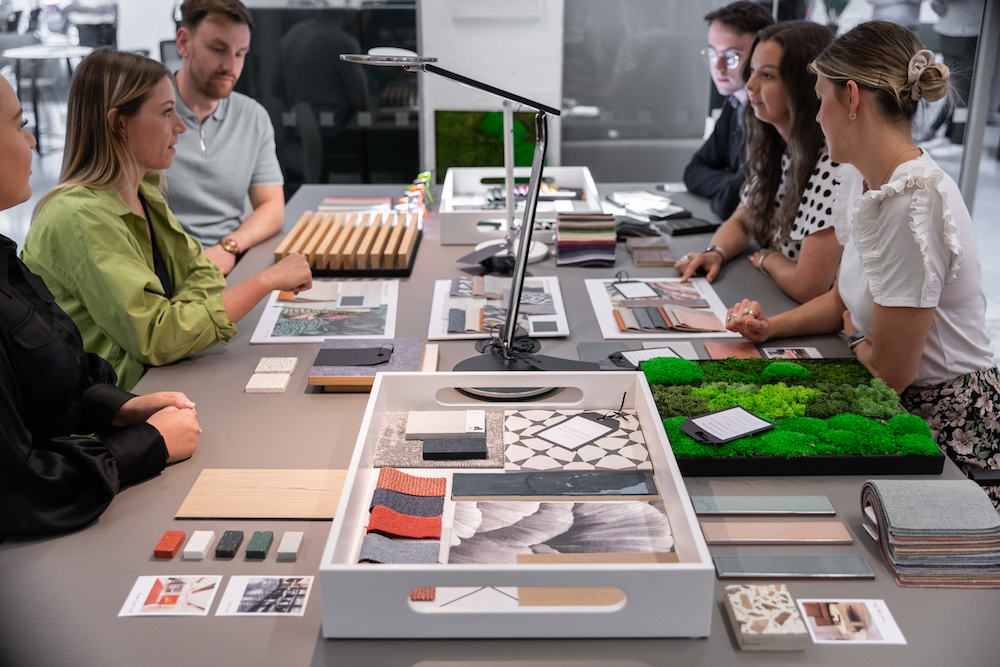
As the specialist interior studio within Ryder Architecture, Ward Robinson Design has a growing reputation with both national and international reach, excelling across a diverse mix of sectors. Their core mission revolves around a passion for exceptional design, driven by a simple yet powerful goal: to improve the quality of the world around us, and in doing so, improve people’s lives. With a commitment to creativity, Ward Robinson Design has amassed a diverse portfolio of work, from homes and hotels to offices and education. The team has consistently worked alongside architects, clients, and other built environment professionals to bring innovative interior design to life. Working autonomously as well as collaboratively, there is a belief that when handled with talent and care, interior design can establish a unique and distinctive tone, reveal crucial insights into personality and create more collaborative relationships between people, buildings, spaces, and place.
Back to top