Tarkett embodies the circular economy with its new DESSO EcoBase® backing
Launching its innovative new carpet tile backing with bio-based ingredients, Tarkett brings the carbon footprint of its carpet tiles even lower as it continues its decade-long transition to a circular economy.
Paid feature by Tarkett
Tarkett
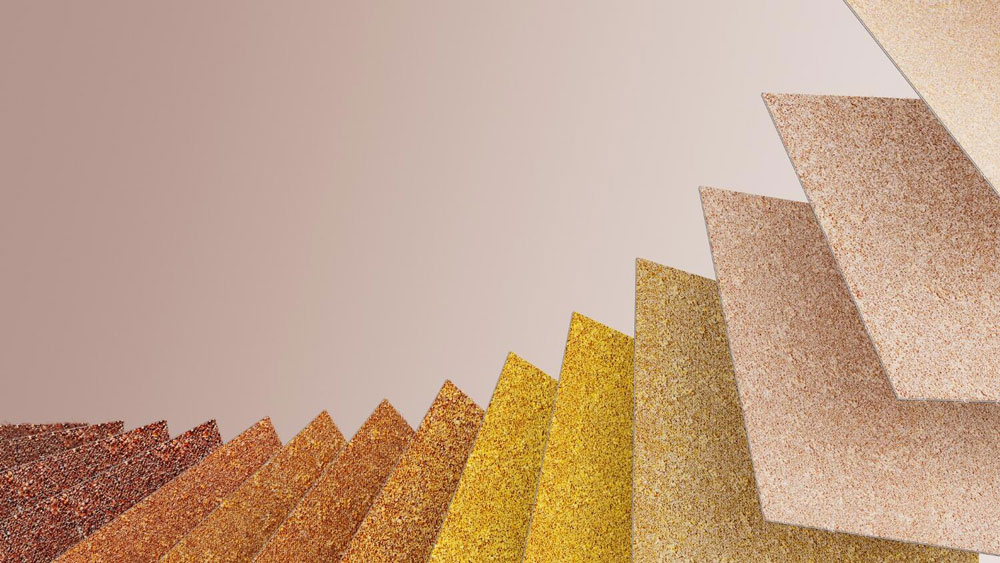
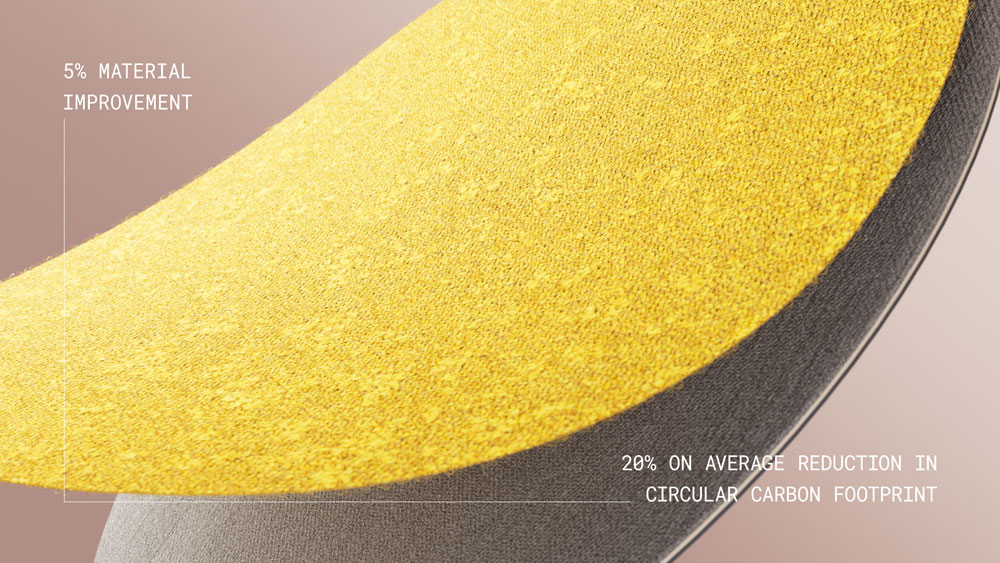
United KingdomOver a decade ago, leading flooring manufacturer Tarkett chose to place circularity at the core of its ambitions as a company. Remaining steadfast in that commitment, Tarkett’s DESSO EcoBase® exemplifies material innovation as a solution to the planet’s limited resources. To craft this improved, sustainable solution, pine rosin (a by-product from the Scandinavian paper industry) is transformed into a bio-based ingredient to be used in DESSO carpet tile backing. Replacing a petroleum-based resource, this 5% material adjustment results in an average 20% reduction in each tile’s circular carbon footprint, while still remaining 100% recyclable and Cradle to Cradle Gold-certified, thanks to DESSO’s closed-loop system1.
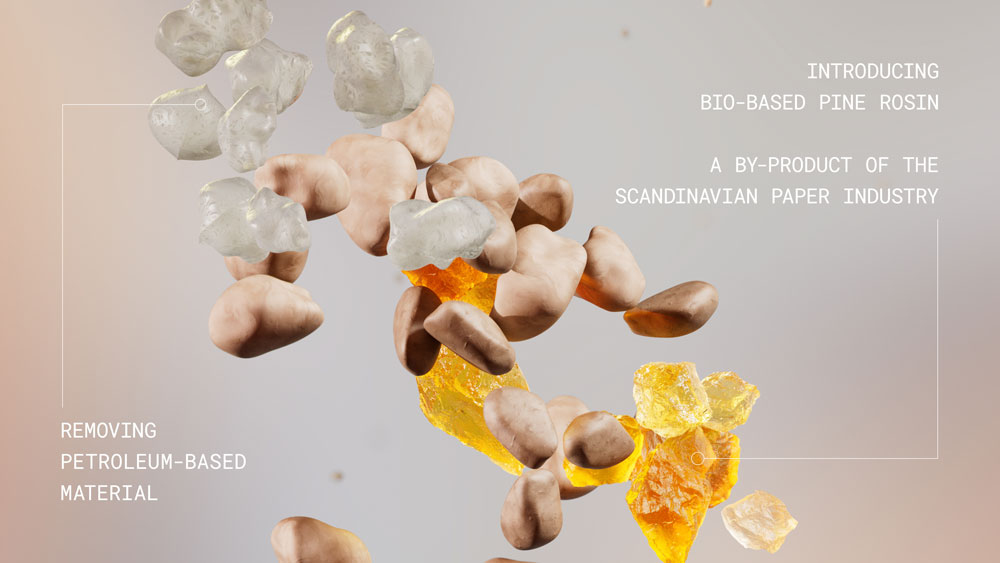
Pine rosin, alongside upcycled chalk from the Dutch drinking water industry, reduces the need for virgin raw materials without compromising the circularity of their products, meaning they can still be recycled via Tarkett ReStart, the brand’s waste flooring collection and recycling service which helps to avoid common, carbon-emitting options such as landfill and incineration at the end of a product’s life cycle. This gives DESSO carpet tiles the lowest circular carbon footprint in Europe* – one that is at least six times lower than the total carbon footprint of the competition**. The new and improved DESSO EcoBase is now standard across the vast majority of DESSO carpet tiles by Tarkett.
1 Circular Carbon Footprint: according to the product specific Environmental Product Declarations (EPDs) S-P-13143, S-P-05827, S-P-08559, S-P-08561, S-P-09339, S-P-08952. Externally verified by Bureau Veritas, based on the total carbon footprint (Modules A-D) with a closed loop circular recycling scenario. Published March-June 2024.
* For EcoBase-backed carpet tiles with PA6 yarn, according to the Environmental Product Declaration (EPD) S-P-05827 externally verified by Bureau Veritas, based on the total carbon footprint (Modules A-D) with a closed loop circular recycling scenario.
** Comparison of EPD S-P-05827 with the total carbon footprint (Module A-D) of each of the 19 carpet tiles’ EPDs available on internet (May 2022) for competitors with production location in the EU+UK, in the product weight range 600-699gr, Polyamide yarn and incineration as end-of-life scenario.