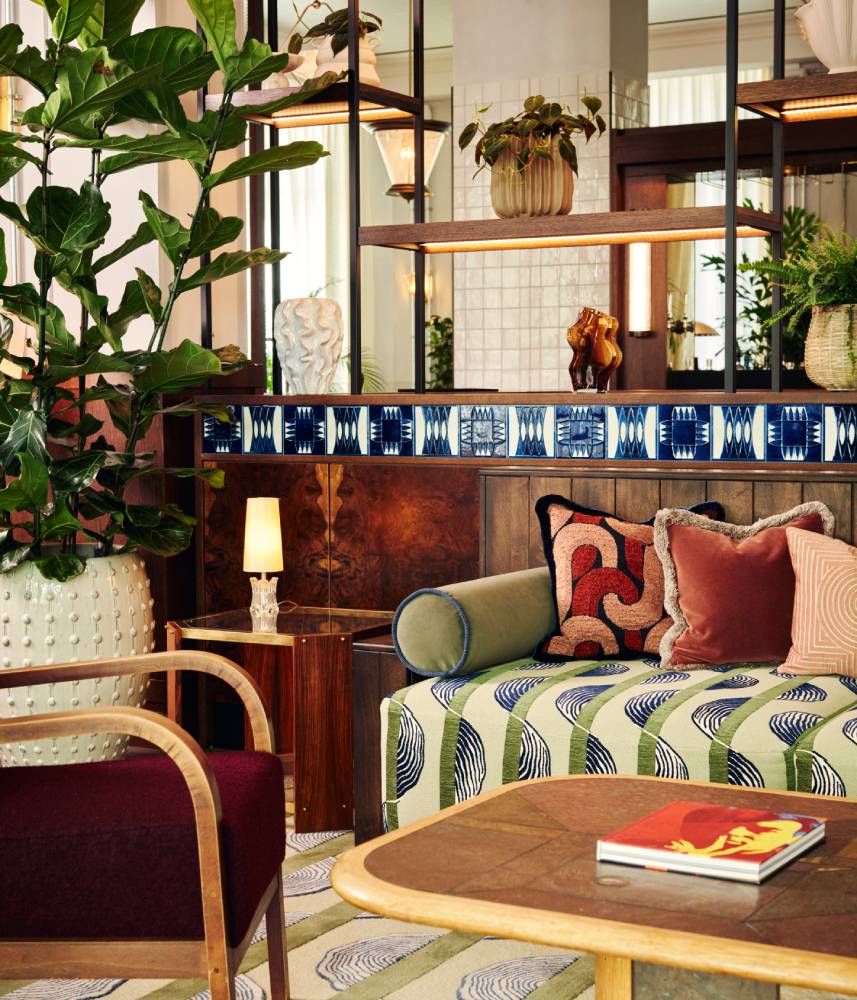
Biohm: plastic-munching, bio-based materials for healthier spaces
Mix meets Aaron Jones, Special Project Lead at Biohm – a British bio-manufacturing company on a mission to create a healthier and more sustainable built environment.
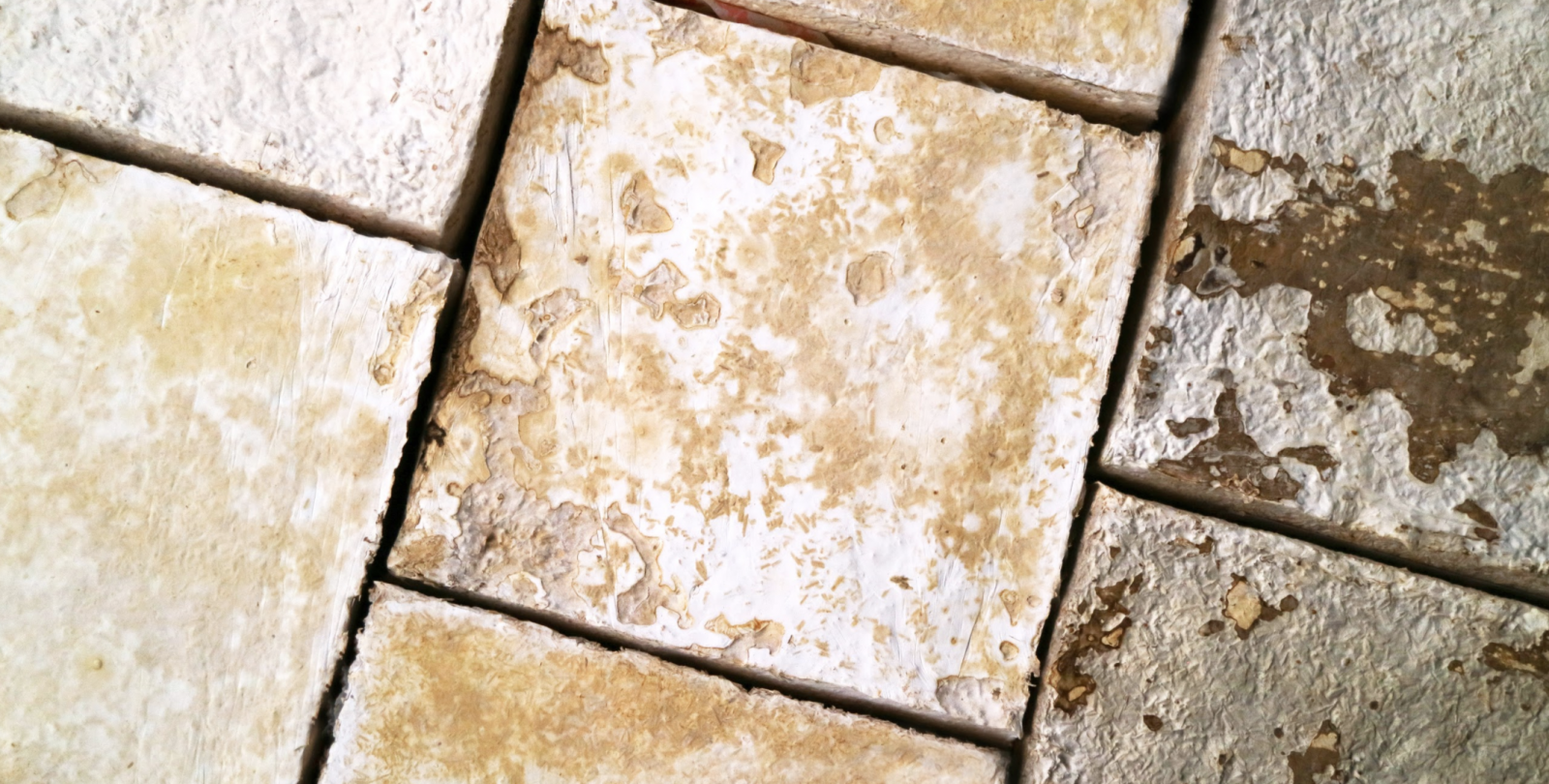 Mycelium wall panels
Founded by designer and engineer Ehab Sayed, award-winning research-led bio-manufacturer Biohm creates bio-based materials from waste products, drawing on nature for inspiration and innovation.
Harnessing the power of mycelium – the vegetative filament root structure of mushrooms – Biohm grow materials using organic and synthetic substrates that are the by-products or ‘wastes’ of other industries. Biohm is the first company to use mycelium to manufacture a biodegradable and all-natural insulation panel, a revolutionary construction material. The living fungi consume organic and synthetic waste as they grow into insulation panels.
What processes does the material go through to become the finished product?
We have several stages to our production. We use agricultural and industrial by-products, which are consumed by mycelium as it grows. The mycelium also locks in carbon as it grows – for each sq m of mycelium insulation that we grow, we sequester between 0.8-1.7kg of carbon. Before the mycelium is ready to be used in the built environment, we use a curing process, which I can’t describe in too much detail, however this ensures the mycelium structure is no longer alive, making it completely dry and inert, ready for use as a building material.
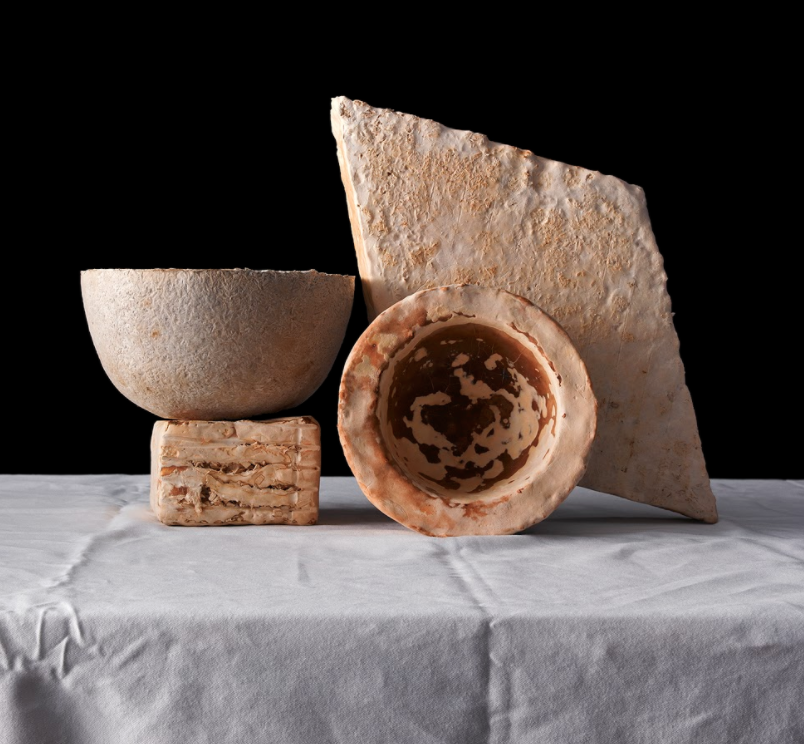 Mycelium bowls made in collaboration with Natura Design
What uses do you envision for the product?
Our mycelium panels not only have amazing insulation properties but they are also air purifying. As our process uses all-natural materials, these panels don’t contain synthetic or petrochemical based materials, which emit harmful volatile organic compounds (VOCs) throughout their lifetime. Whilst it is estimated that we spend up to 90% of our time within buildings, air pollution has been increasing steadily in our cities. This means it is incredibly important that we have materials that will filter VOC’s and toxins from the air as they pass in and out of the building envelope. Our mycelium panels have been used for wall installations to create a healthier office space and improve the acoustics of the space.
Mycelium is hugely versatile and has numerous interior design applications, as it can be grown into any shape, retaining intricate surface detail. It also offers design freedom as it is grown into intricate shapes with amazing vapour permeability and mechanical strength. As we continue to develop our technologies and evolve our strains of mycelium, we aim to improve these properties and cater for various applications.
 Mycelium insulation panels
How have people reacted to the project – do you think opinions towards biomaterials are changing?
At such a critical time in human history, it is more important than ever to reassess the way we live within our built environments. Bio-based materials feed into the growing circular economy far more effectively than non-biodegradable alternatives. Our environmentally and socially regenerative production processes appeal to multinational giants and governments globally. At the end of their life they can be disposed of into the ground in a way that will actually improve soil pH.
People are now appreciative that we need more sustainable materials that will not end up polluting our oceans. The demand for our materials and technologies has been truly overwhelming and we have very quickly found ourselves engaged with some of the world’s largest corporations, top universities and prominent governments.
We have had an amazingly positive response to our crowdfunding campaign, which we launched to raise investment, grow our team, expand our R&D facilities and achieve our global ambitions. The campaign is still live and we are very excited about the incredible network of bio-revolutionists that we are creating through the campaign. There is now a huge demand to re-imagine our ecosystems and materials and invest in the future of our planet and the future of home.
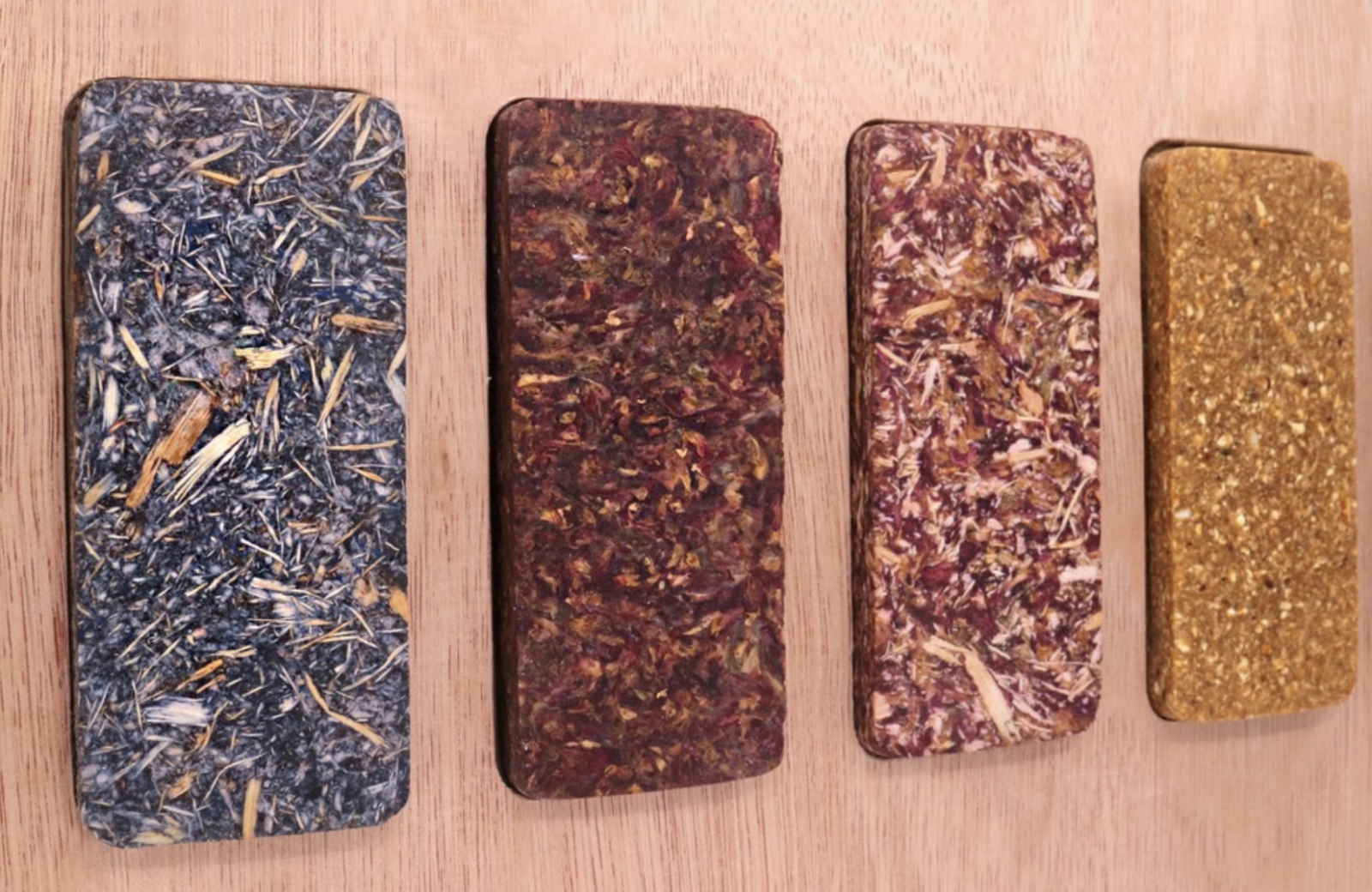 Orb (organic refuse bio-compound) samples
What does the future hold for Biohm?
At our heart we are a biotechnology company, aiming to revolutionise industries and change perceptions. We are already creating a healthier and more sustainable built environment in the UK and we will continue to do this globally in the future. We are developing groundbreaking technologies that can tackle the climate crisis, regenerate the health of the planet and all of its inhabitants. We are developing mycelium strains, for example, that can consume plastics and we will be developing this technology further, with the view of commercialising it in the next few years.
Editor’s note: BIOHM is launching a crowdfunding campaign to support the development of its bio-manufacturing facilities, as it scales up its offering, to meet increasing demand and fulfil major construction projects. Crowdfunding investors, in return for their support, will receive equity in the company through the online platform, Seedrs. Click here to find out more.