Amtico launches Amtico Bio: low-carbon LVT flooring
Made using sustainable PVC, Amtico’s first bio-attributed LVT flooring is available in their Signature, Spacia and Form collections.
Paid feature by Amtico Flooring
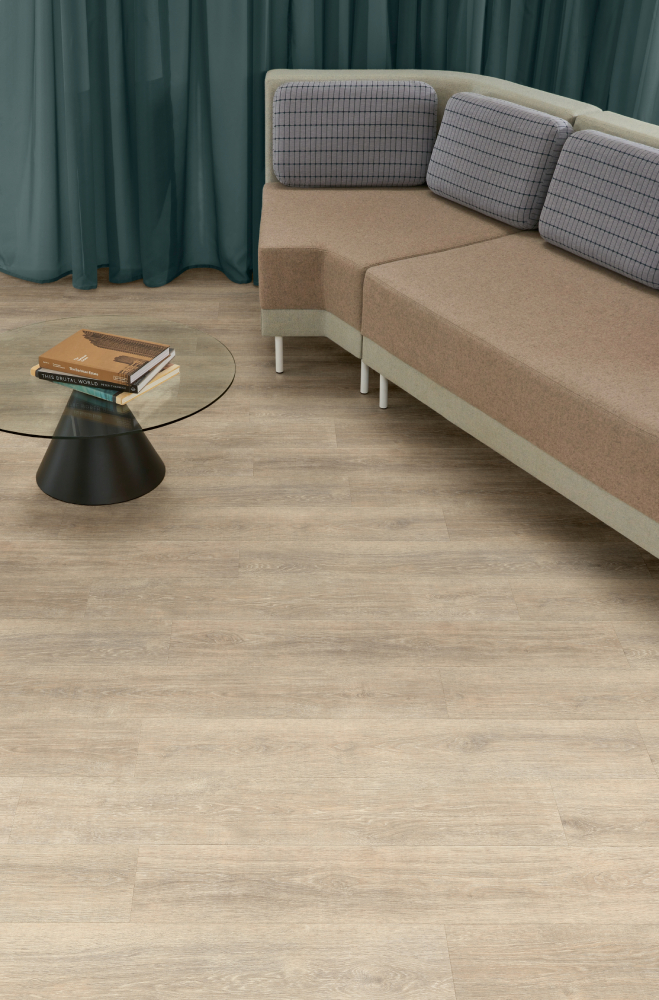
 Amtico Signature in Solar-Pine
Amtico Flooring
UK, Europe and InternationalAmtico has launched its first bio-attributed LVT flooring made using sustainable PVC from renewable raw materials, which saves more than 90% on CO2 emissions released in production compared to fossil fuels.
Available to specify across the Signature, Spacia and Form collections, Amtico Bio is not only chemically and physically identical to the manufacturer’s standard LVT products, it also provides the same high-quality designs but with a smaller environmental impact. Plus, the planks and tiles benefit from each collection’s USPs too, such as Signature’s 1mm wear layer and 20-year commercial warranty.
 Amtico Spacia in Earth
Specifying Amtico Bio supports the reduction of fossil fuels and contributes to a sustainable future for LVT flooring. In line with its net zero goal, Amtico has carefully selected and audited sources of raw materials to create the renewable ethylene that goes into the bio-attributed PVC needed for Amtico Bio.
Designers who specify Amtico Bio will receive a certificate to guarantee Amtico has used PVC from renewable organic material and followed the stringent auditing process set out by the International Sustainability and Carbon Certification (ISCC). The ISCC promotes compliance, third-party verification and traceability throughout a supply chain, with the certificate providing clients with additional value and proof of sustainability.
 Amtico Form in Kalmar Oak
To ensure bio-attributed flooring is affordable and accessible for all projects, Amtico utilises the ‘mass balance’ principle. For each order, Amtico incorporates the raw materials into its existing manufacturing processes, rather than creating costly new ones.
Amtico Bio allows designers and specifiers to choose from three distinctive collections to create floors that have a lower carbon footprint, plus LVT is low in VOCs and can be recycled at the end of its life. This combination not only integrates sustainability into the design/concept stage but also takes into account the lifecycle and long-term environmental impact of the materials.
Gallery